News
On the occasion of the International Day for Biological Diversity, celebrated this 22 May under the theme “Acting Locally for Global Impact,” the Mauritian Wildlife Foundation (MWF) highlights how knowledge sharing and collaboration across islands can strengthen conservation efforts.
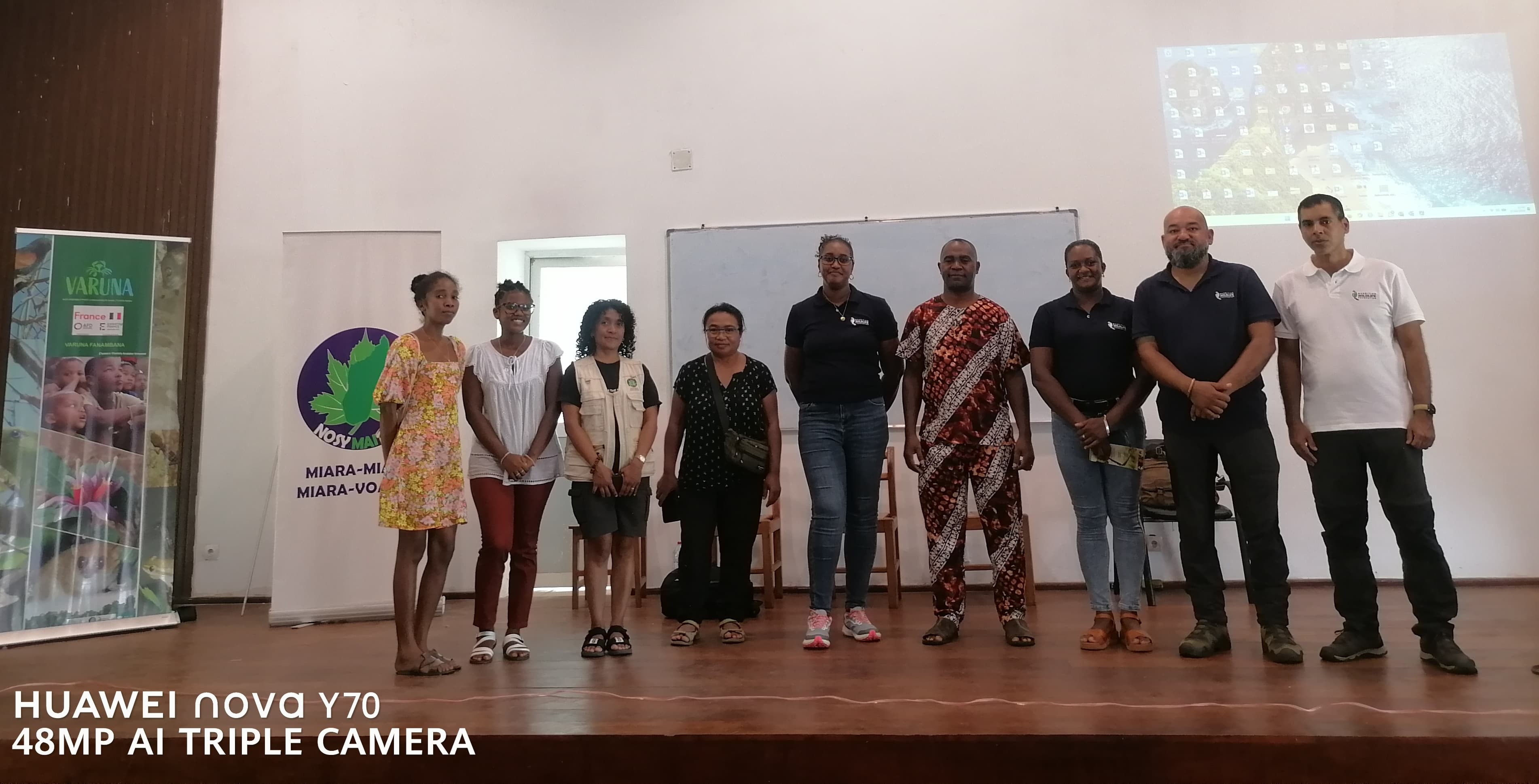
Under the project “Conservation et restauration de la forêt du massif forestier d’Analalava et diversification durable des sources de revenus des communautés locales par le développement de l’agroforesterie en périphérie forestière” funded by the Varuna programme, a team from the MWF, from both Rodrigues and Mauritius, recently undertook an exchange visit to Madagascar with Floribis, a society engaged in the production of essential oils from vanilla, vetiver, and other plants with the support of Nosy Maitso. The Varuna programme, implemented by Expertise France and financed by AFD (Agence Française de Développement), aims to halt biodiversity loss in the southwestern Indian Ocean.
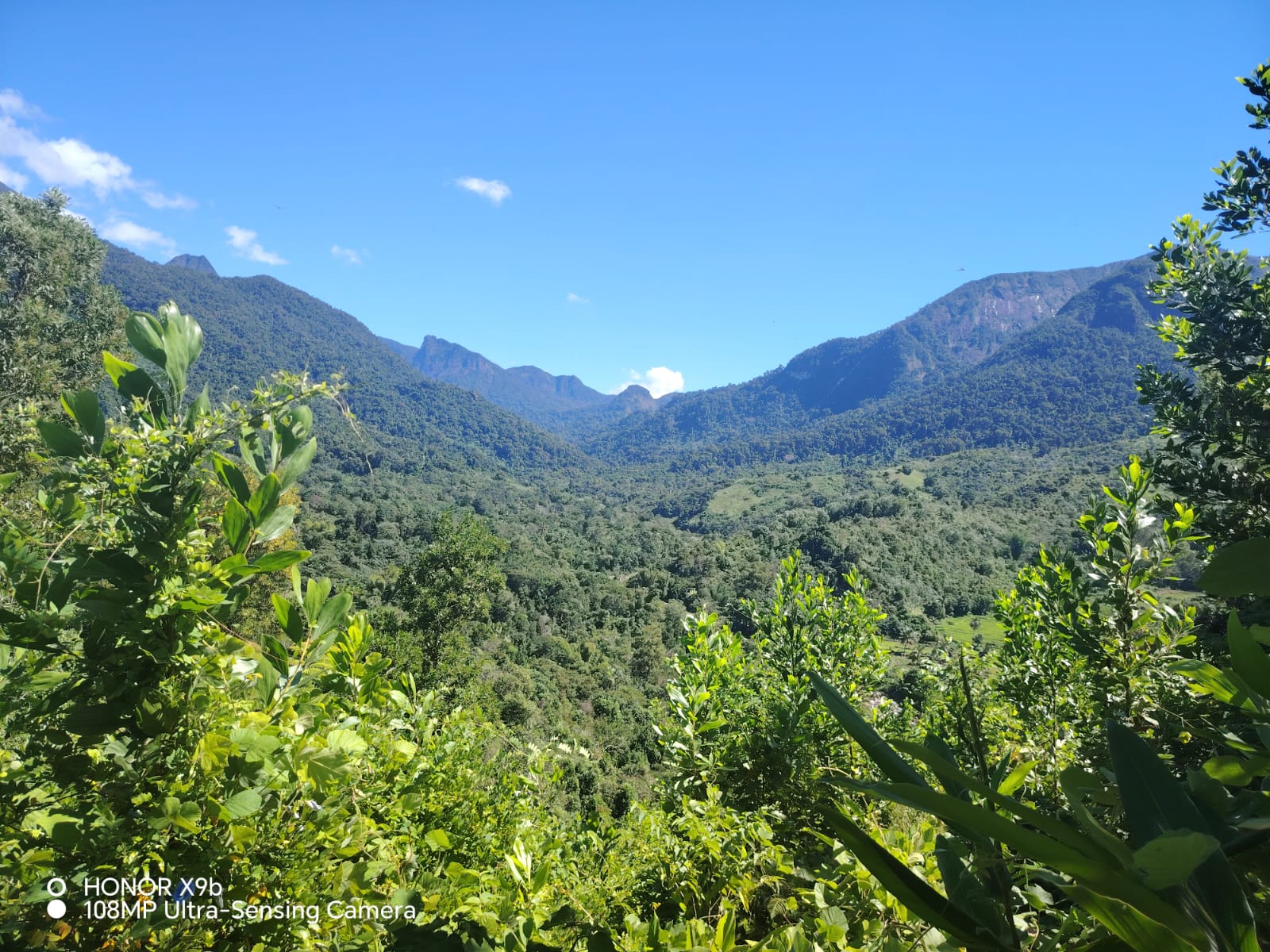
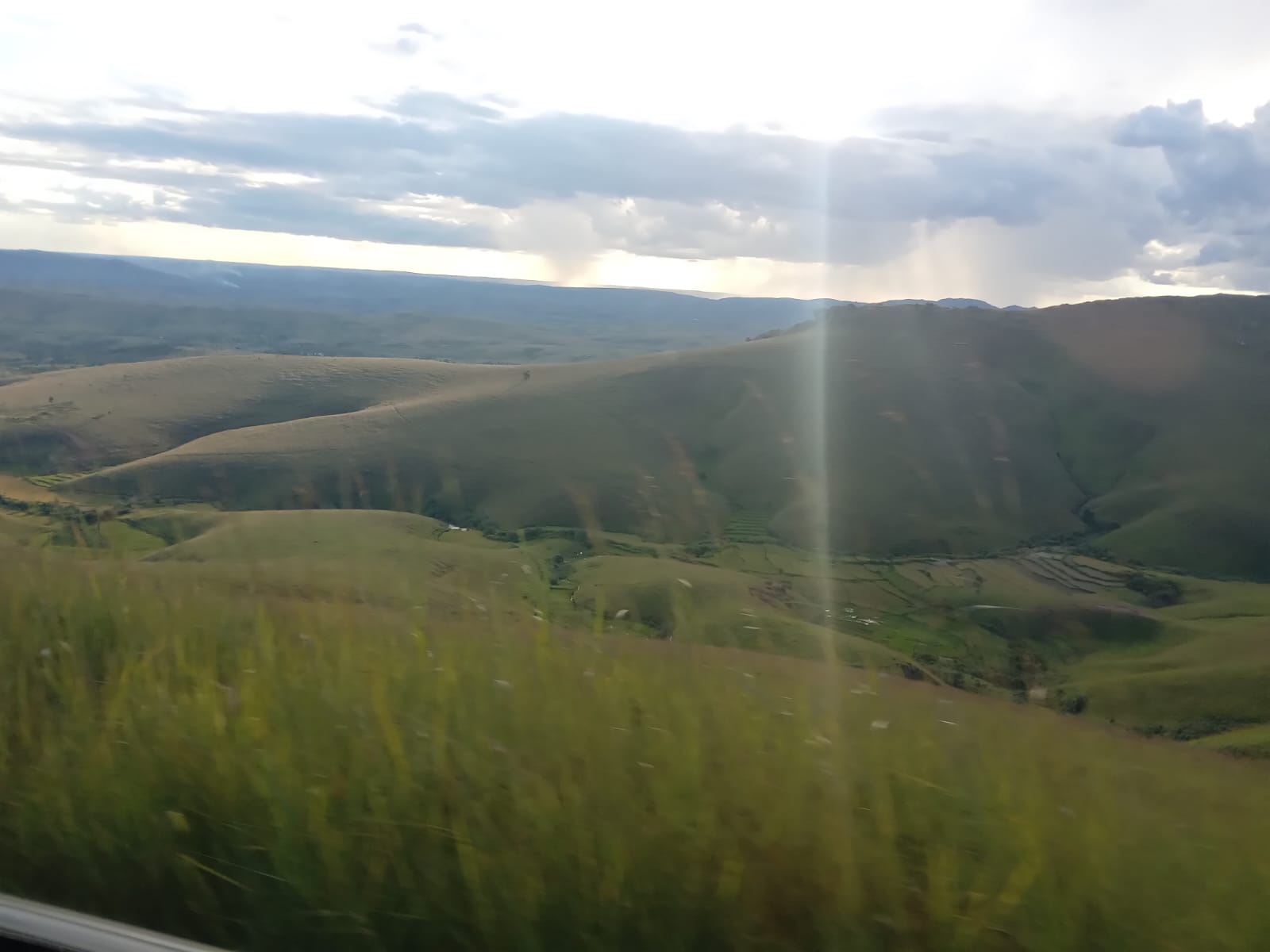
Through field visits and hands-on learning, the team explored plantation sites as well as remarkable natural areas, including a private park in Antalaha, Madagascar.
One of the highlights of the visit was the discovery of innovative approaches to restoration and propagation. “The park in Antalaha has a botanical trail with a unique flora and fauna, which was a very interesting discovery for us,” says Martine Brasse Genave, MWF Nursery Officer at Solitude, Rodrigues.
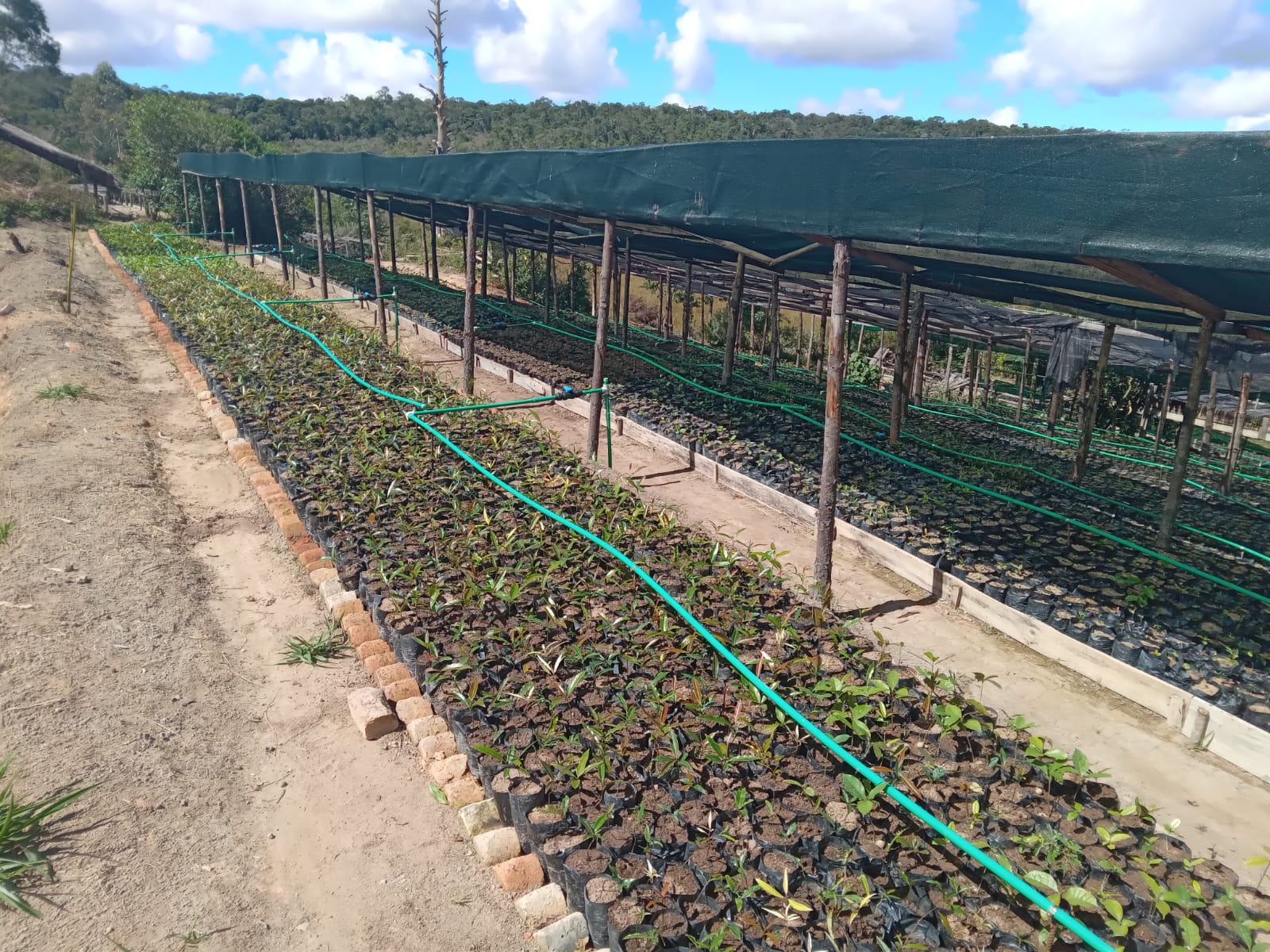
The team was particularly appreciative of the effectiveness of local propagation techniques. “We were amazed to find out that they have a success rate of 90% in their propagation work,” Martine explains. “Despite using similar protocols in Rodrigues, our success rate doesn’t match theirs. This exchange will hopefully help us achieve better results on our sites in Rodrigues, where we have faced challenges in propagating some plant species.”
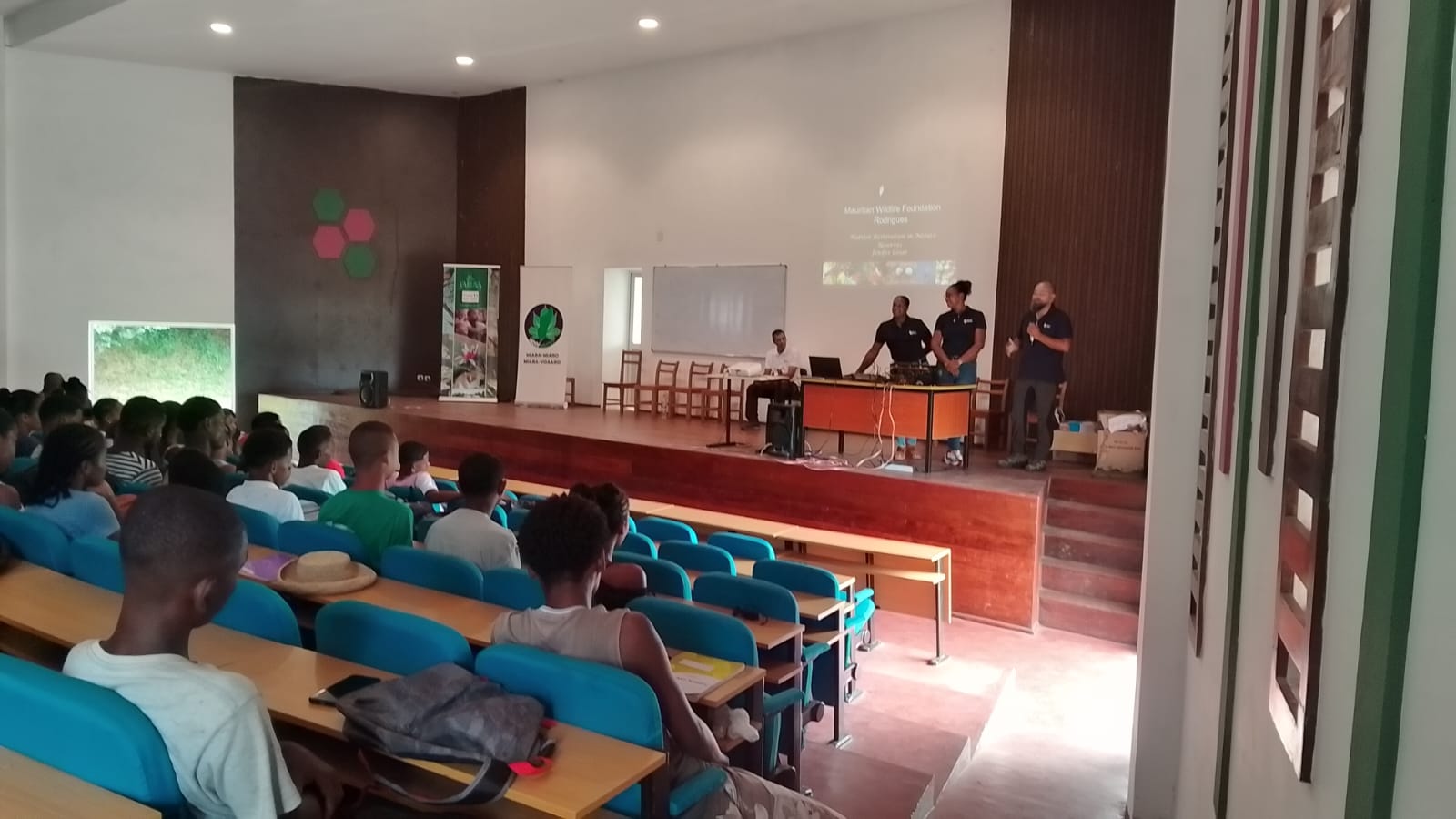
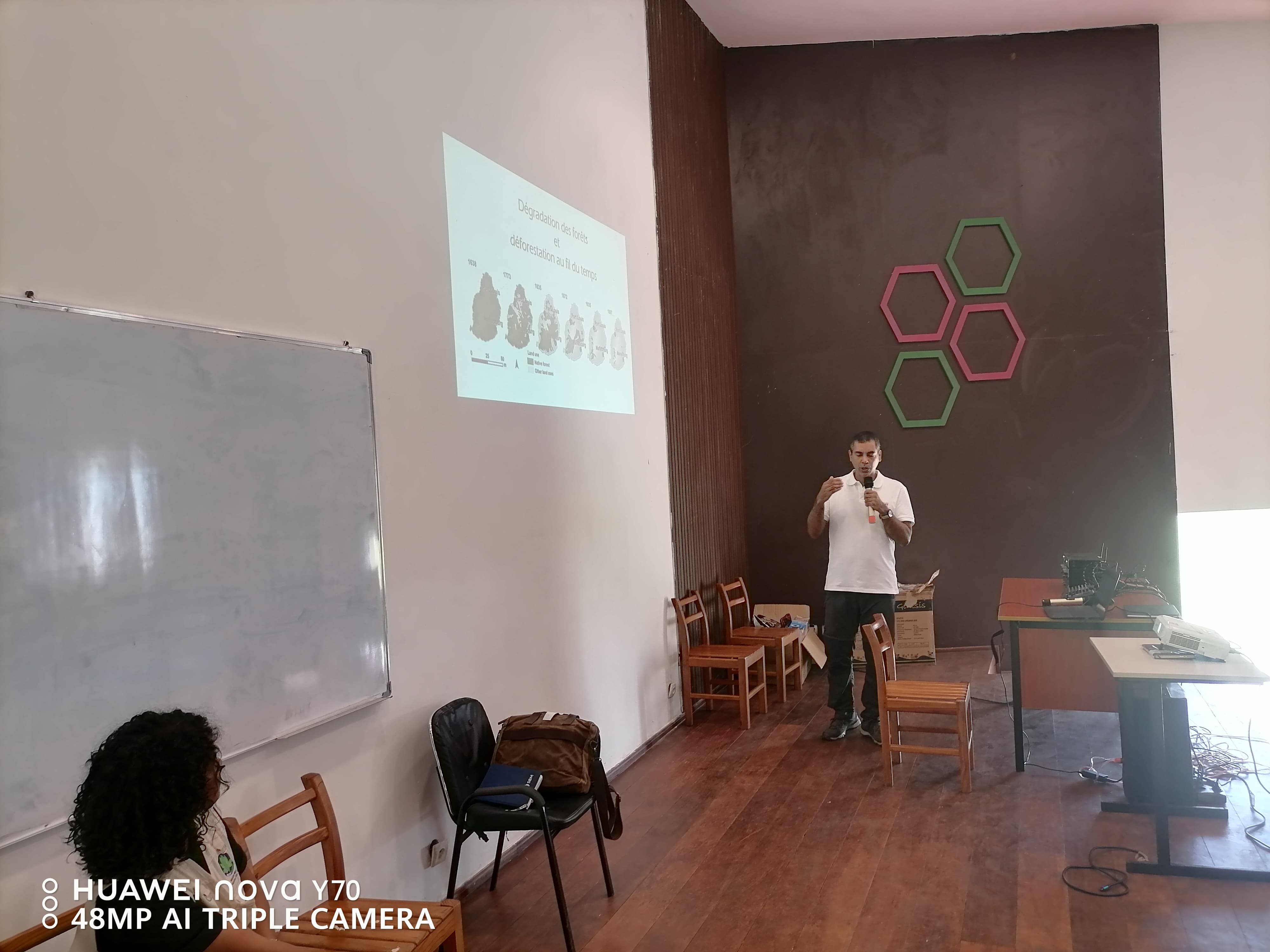
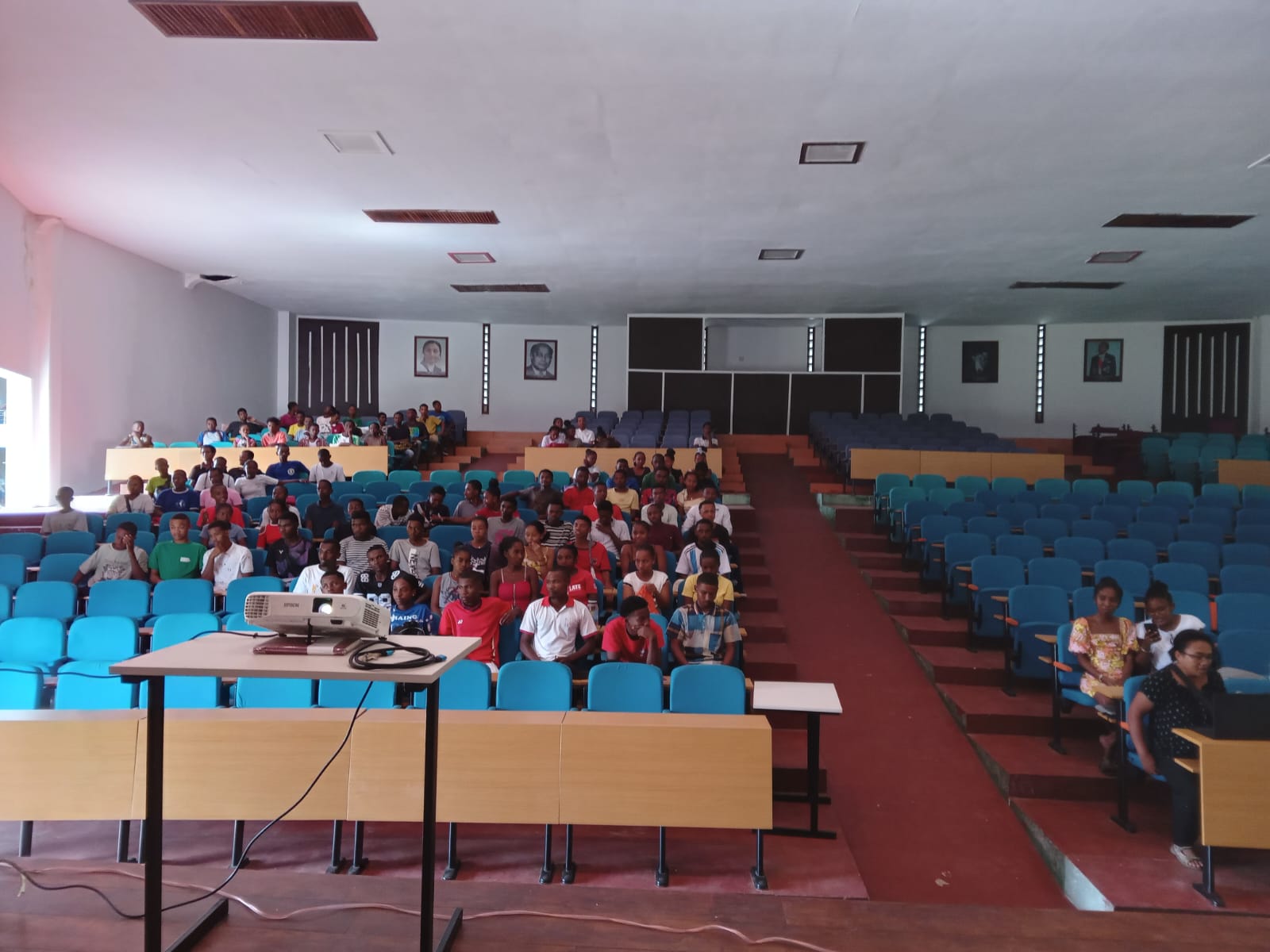
In parallel, the exchange also highlighted opportunities for sharing knowledge with young people. The MWF team engaged with students from Université de la Sava (Antalaha), presenting propagation methods used in Rodrigues. “The students were very keen to learn from us and saw how this knowledge could support their future endeavours,” Martine adds. This strong sense of commitment resonated with the team and became a powerful message shared with students. “We encouraged them to work hard to save their forests,” explains Jean Alfred Bégué, Rodrigues Project Support Officer. “We explained that in Rodrigues, we have lost almost all of our primary forest and are working to restore what remains. They understood the message and asked many questions about how they could adapt our techniques to their own environments.”
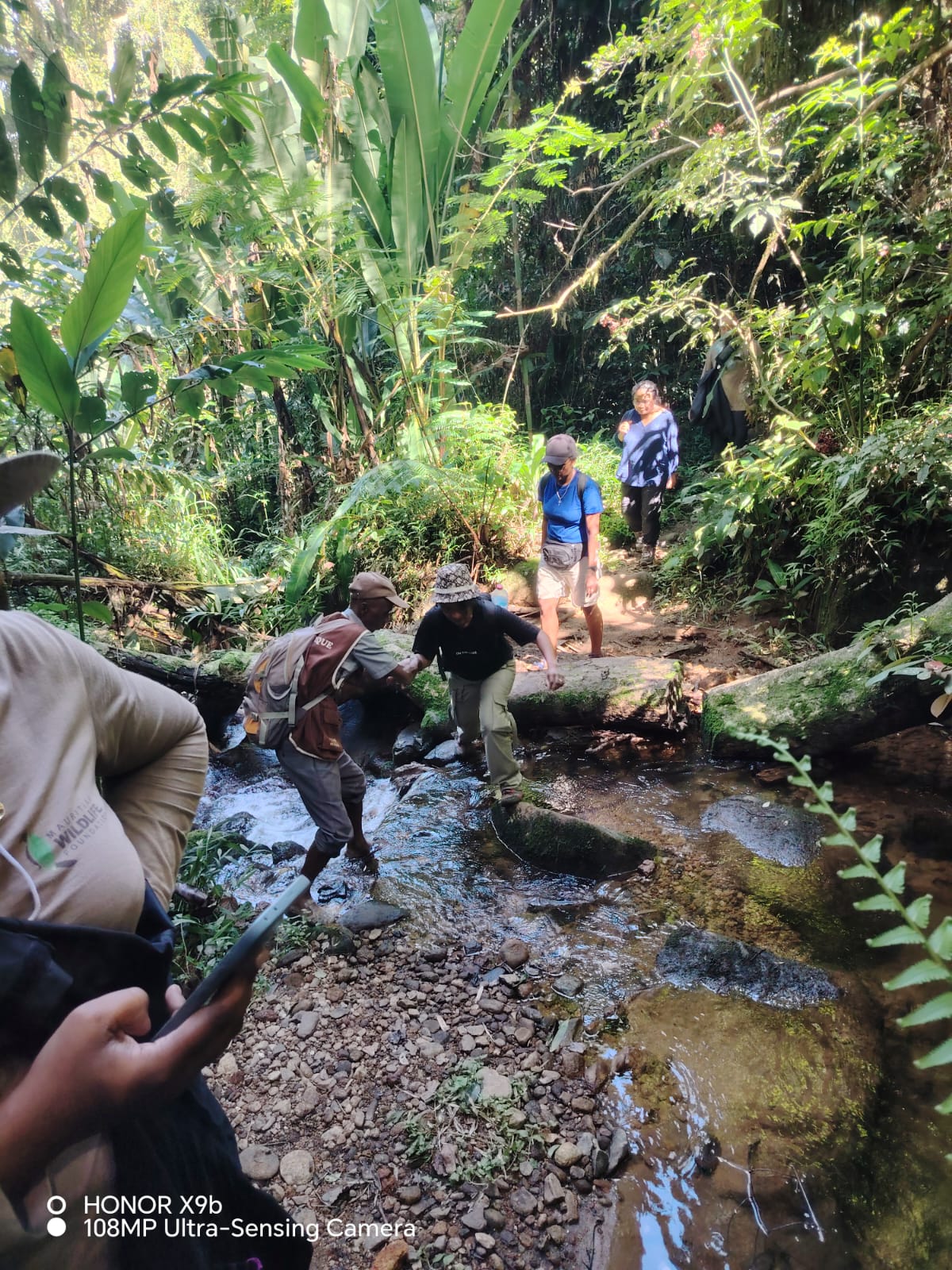
Beyond technical exchange, the experience also offered powerful insights into conservation realities on the ground. The team observed the dedication of local communities working under challenging conditions to protect their forests. “What amazed me the most was the long distances they must walk daily to reach their conservation sites in the mountains. Despite these challenges, they remain deeply motivated,” says Jennifer Cesar Restoration Officer at MWF Rodrigues. She recalls a nine-kilometre trek to a restoration site, where a veteran guide shared his deep connection to the forest: “You could truly feel how important it is to him.”
The exchange also revealed differences in restoration strategies between the two islands. “Their system is very different from ours,” Jean Alfred notes. “In some cases, they do not remove invasive species but focus on planting instead. I will try to test this approach in certain sites in Rodrigues to see if it can be applied.”
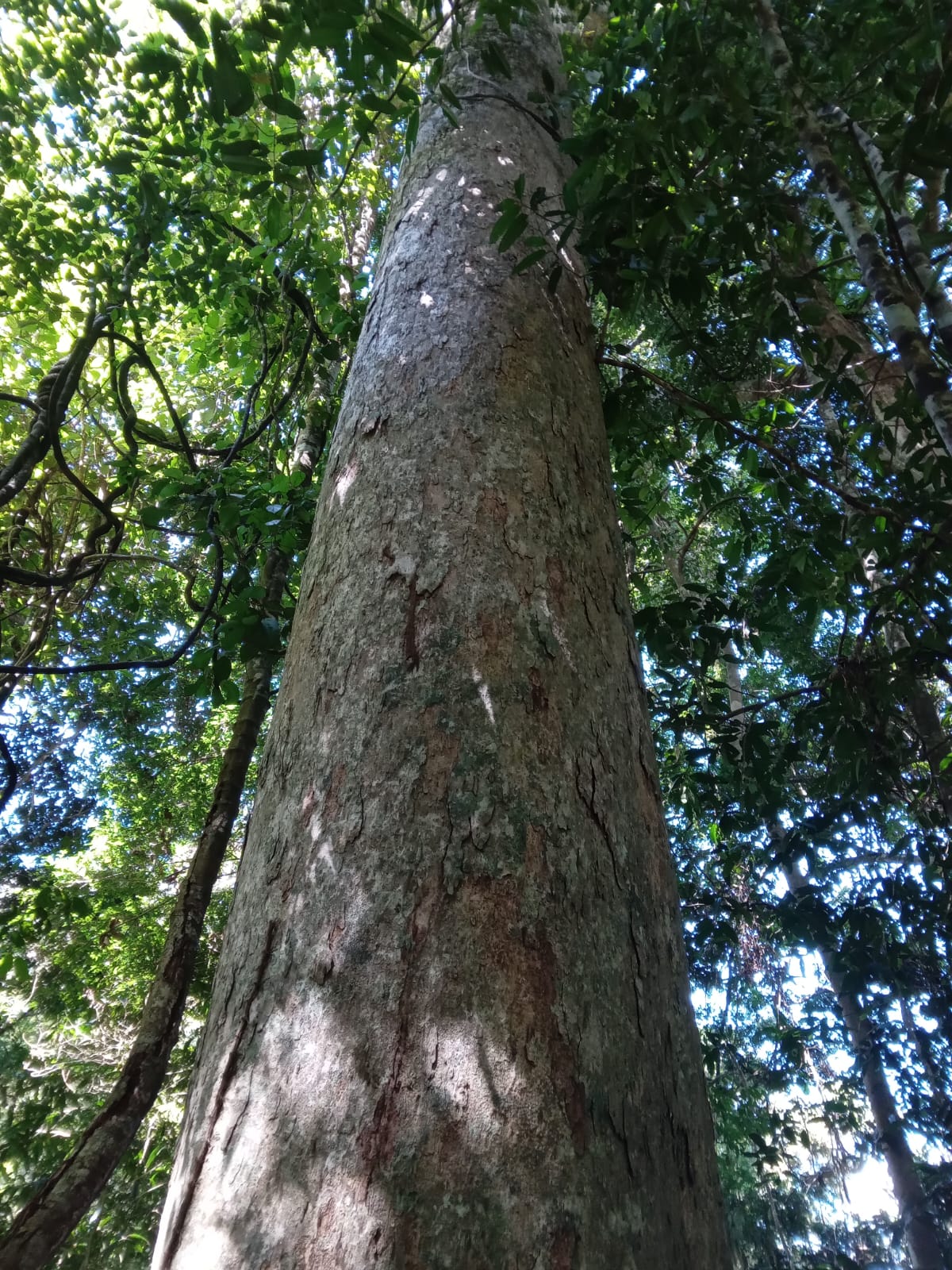
For the team, the richness of Madagascar’s biodiversity left a lasting impression. “I was stunned by the immensity of the forest and the diversity of species. I saw trees that are more than a hundred years old,” says Ile aux Aigrettes horticulturist Pascal Sk Mucktoom. “The exchange was very fruitful, we shared our propagation methods, including cuttings and grafting, and they shared their techniques.”
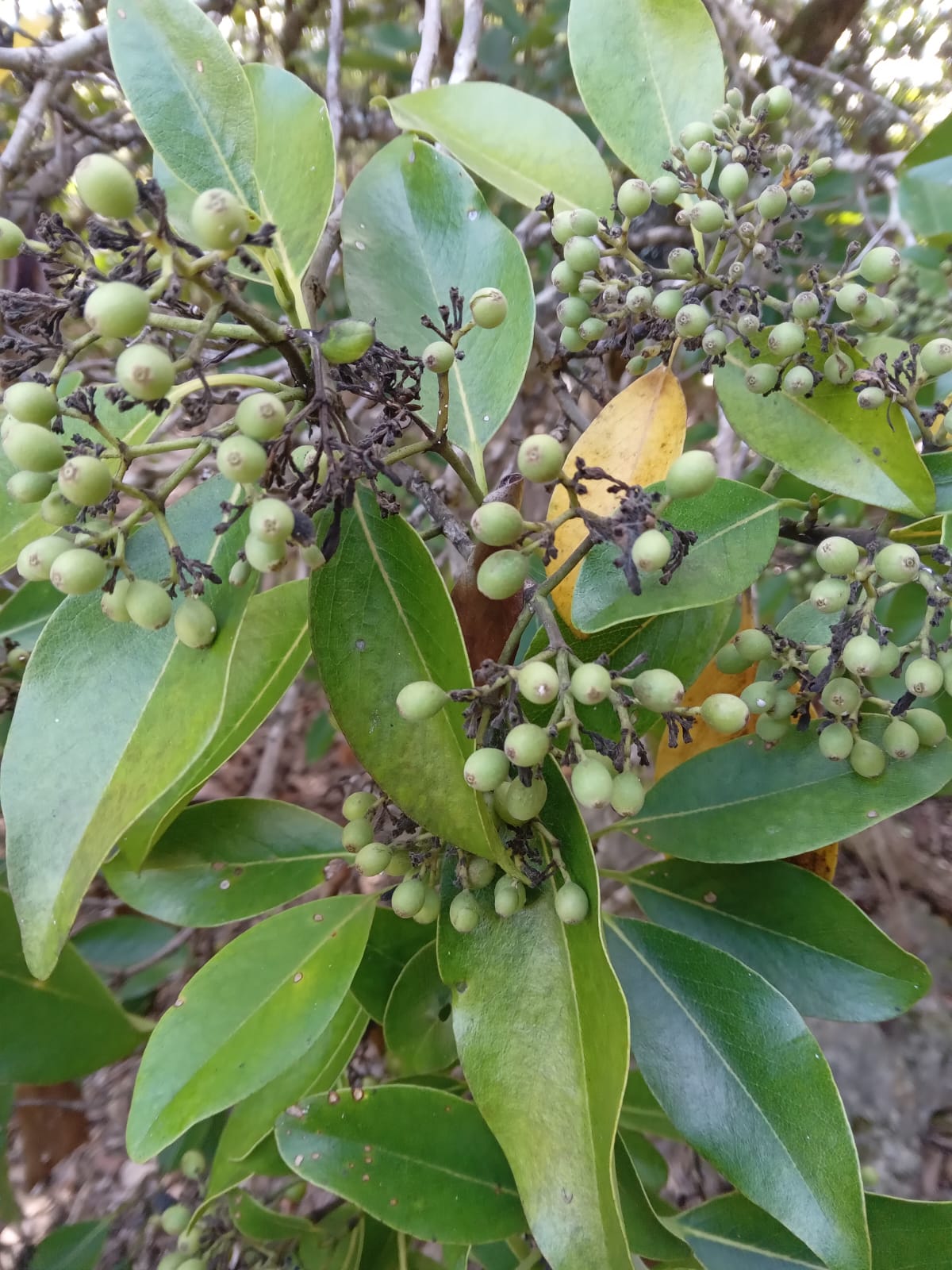
Reflecting on the broader significance of the experience, Jean Alfred Bégué concludes: “We discovered a primary forest that has remained untouched. I left with a new vision of conservation and life.”
This exchange illustrates how local actions, whether restoring forests in Rodrigues and Mauritius or protecting intact ecosystems in Madagascar, contribute to preserving biodiversity. While learning from one another and adapting solutions to local contexts, conservationists can turn local experience into regional and global impacts.