

News
This year as part of its environmental and social responsibility initiatives, Panagora partnered with the Mauritian Wildlife Foundation (MWF) to set up a Conservation Volunteers programme. Having a two-fold objective, that of supporting conservation but also sensitising staffs on the challenges this field faces, the programme offered the opportunity to a small group of repeat individuals to partake in flora support actions over the course of coming months.
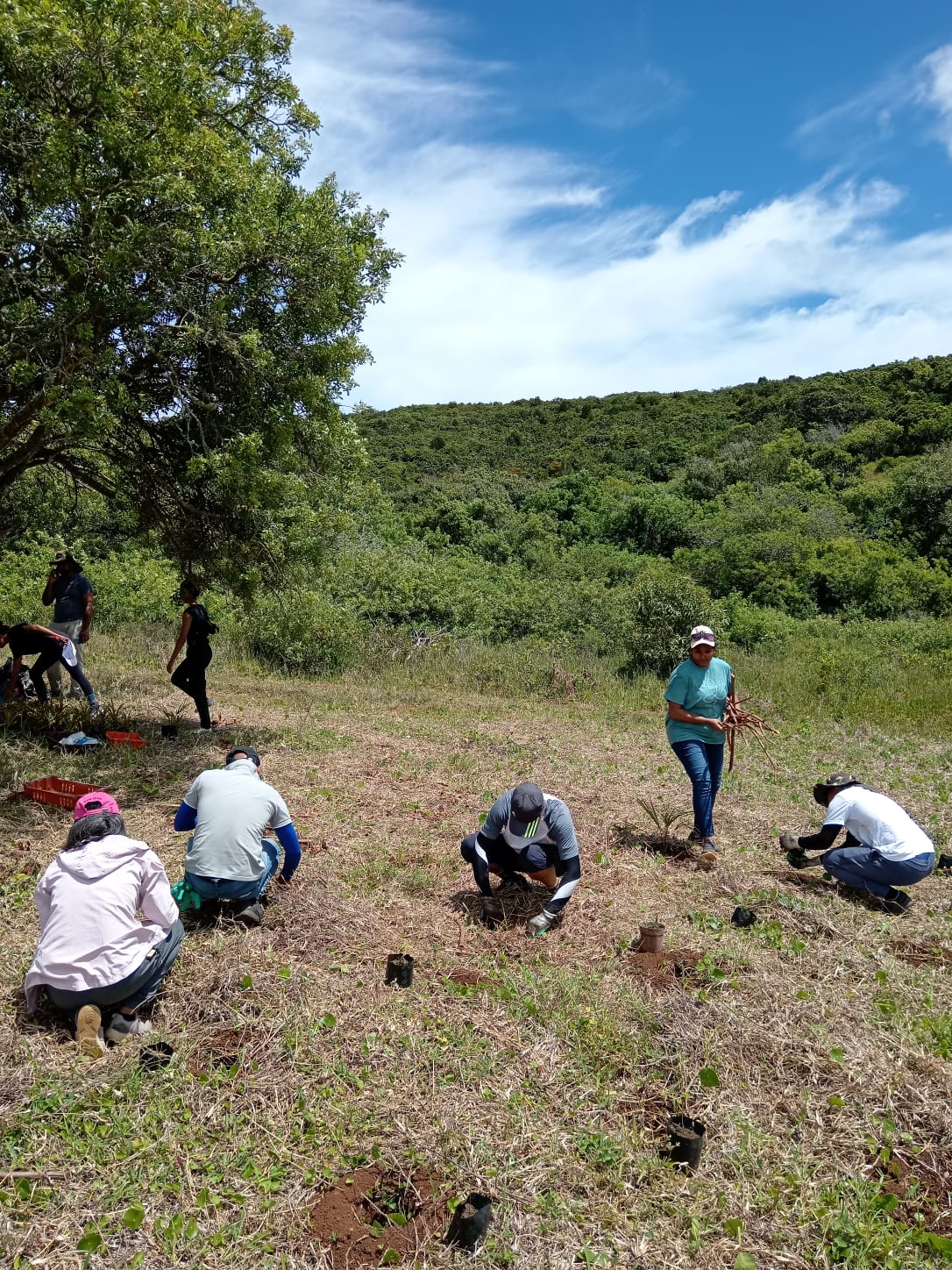
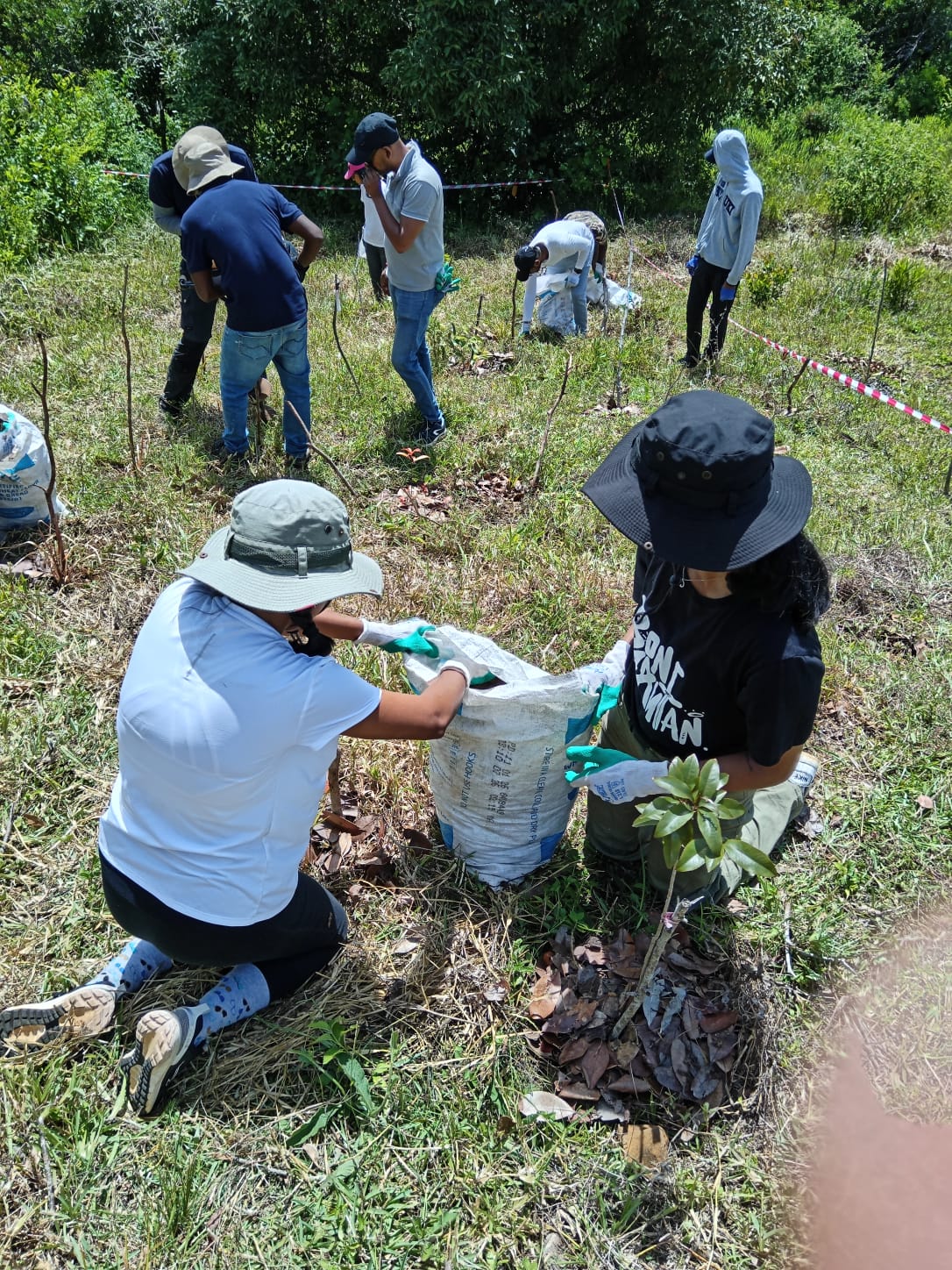
In early March, on the 04th and 06th respectively, 12 staff from Panagora took part in training, planting and potting activities at Mondrain Reserve in Henrietta. Demonstrating strong commitment to help the MWF in its conservation efforts, the team put in soil 36 plants during the training on the 4th and 397 plants on the 6th. These included species such as Pandanus vandermeeshii (vacoas), endemic to Mauritius and which serves as a habitat and food source for various native species, including native birds and insects.
In addition to planting, the team also carried out the first potting of 251 seedlings on the 4th and 645 on the 6th, which will be prepared and planted in the near future. Among species potted Gaertnera psychotrioides (Bois Banane), a common endemic species which remains under threat from habitat loss and the invasion of introduced species like Goyaves de Chine (Psidium cattleianum), originating from Brazil.
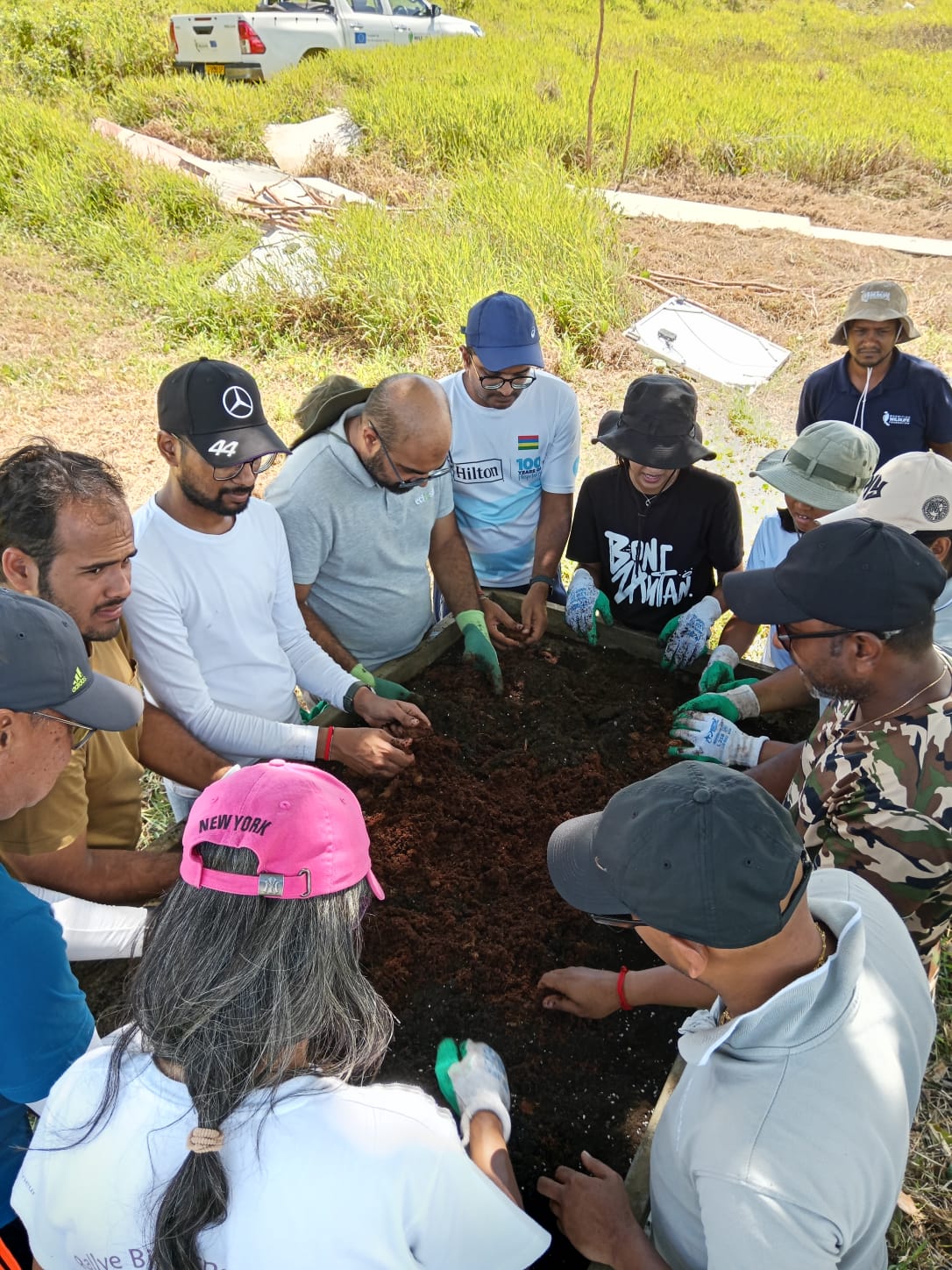
Through this programme, Panagora volunteer team commit to make themselves available on a regular basis, help directly to the restoration of reserves and their unique flora and foremost provide onsite hands-on support to MWF field teams.
Mondrain Reserve, a key refuge for Mauritius’ endemic flora, is owned by Medine Sugar Estate and managed by the MWF. Following years of restoration work, the reserve was recently expanded by an additional 5 hectares, previously used as deer pasture. This extension is part of the “Promoting Climate Change Actions” project funded by the European Union (EU), which aims to involve local communities in conservation, plant 40,000 endemic trees, and develop ecotourism activities by 2029.