

News
The conservation efforts at Grande Montagne have their foundations in works spanning the 1870s (Isaac Bayley Balfour and John Gilbert Baker), 1930s (Paul Octave Wiehe), 1970s (Francis Friedmann, Joseph Guého, Thérésien Cadet, David Lorence, Jean-Yves Lesouef, Roland Raboude) and 1980s (Wendy Strahm, Karen Thingsgaard, Richard Payendee), and receiving a boost when the forest became a Nature Reserve in 1987. The Mauritian Wildlife Foundation, in partnership with Rodrigues Forestry Service, initiated a series of crucial restoration and management activities to safeguard the fragile native forest and its unique biodiversity.
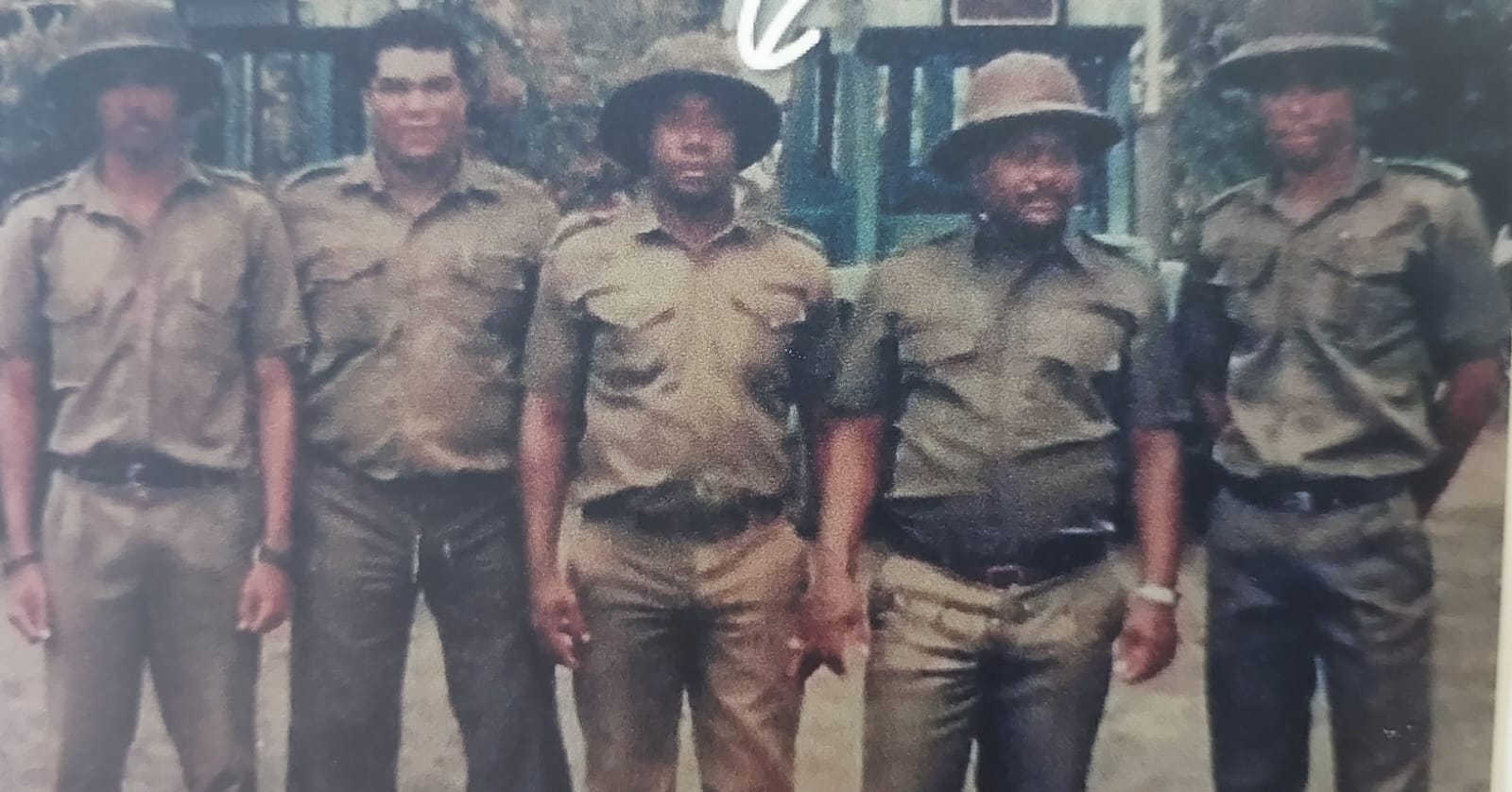
From left to right : Richard Pyandee, Roland Raboude, Alain Perrine, Louis Dominique Farla, Benjamin Milazar
Grande Montagne is home to around 40 species of endemic and native Rodriguan plants, including some rare and iconic species such as mandrinette (Hibiscus liliiflorus), bois papaye (Badula balfouriana), bois de fer (Eugenia rodriguesensis), bois puant (Foetidia rodriguesiana) and the reintroduced café marron (Ramosmania rodriguesii). The reserve provides a haven for Rodrigues’ last two endemic birds: the Rodrigues Fody (Foudia flavicans) and the Rodrigues Warbler (Acrocephalus rodericanus). Furthermore, the reserve also shelters the Rodrigues Fruit Bat (Pteropus rodricensis), also known as the Golden Fruit Bat, which is the island’s sole bat.
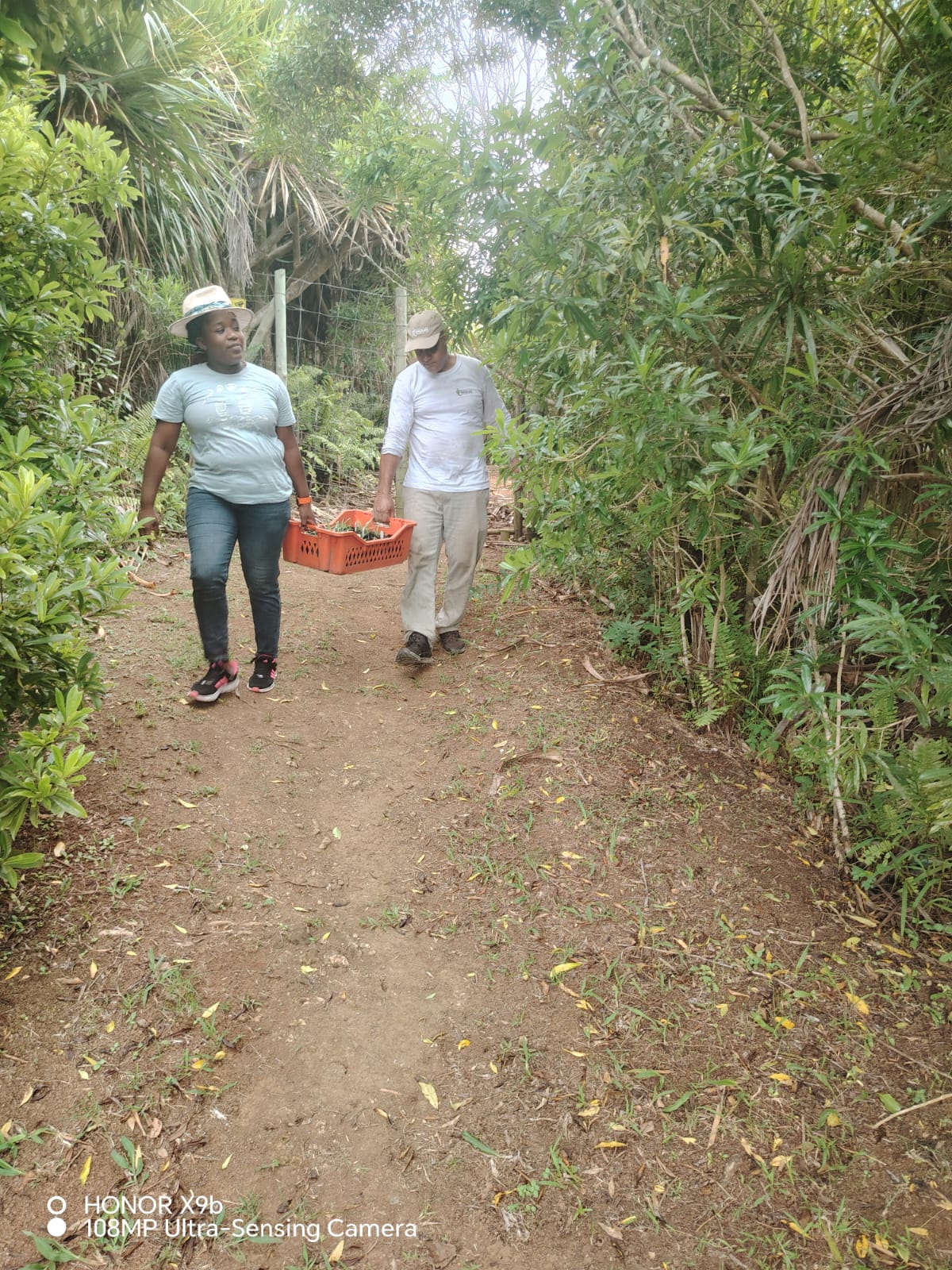
Early conservation work focused on relocating the remnant highly threatened Rodriguan plants such as Badula balfouriana, Friedmannodendron (Dombeya) rodriguesiana, Hibiscus liliiflorus, controlling invasive plant species (such as Syzygium jambos) that threatened to overwhelm the native vegetation, on preventing further habitat degradation caused by grazing animals, and destruction through wood-cutting.
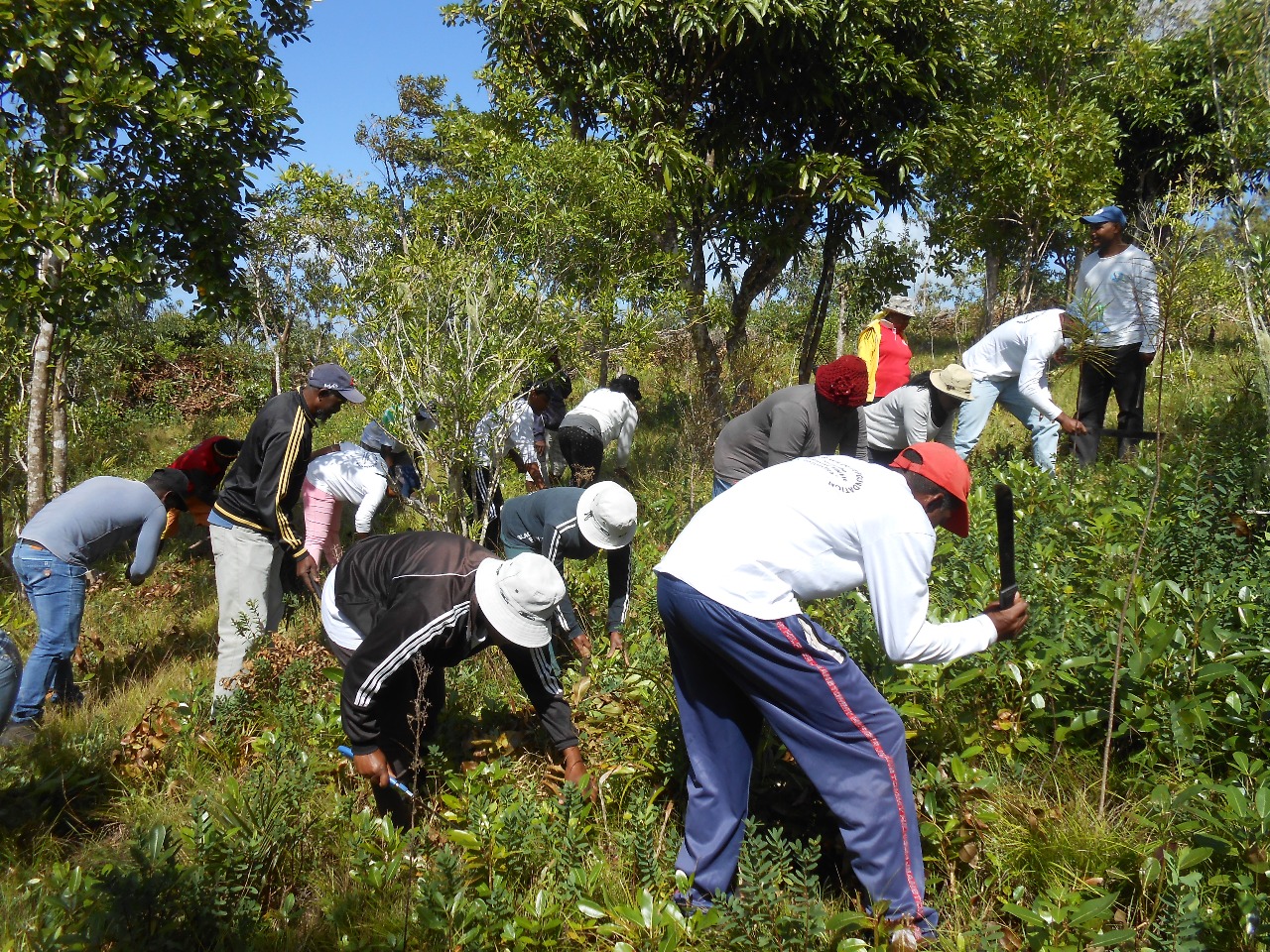
Rodriguan, Mauritian and ex-patriate teams working in the reserve undertook extensive weeding campaigns to remove invasive plants, which had spread rapidly and choked out native seedlings. Watchmanship by the Rodrigues Forestry Service reduced illegal wood cutting and grazing, and a fence was installed to restrict access by farmed animals, allowing native plants to regenerate naturally. Forester Dominic Farla played a key role in the protection of the reserve in the 1970s and 1980s, and the visitor’s centre bears his name as a fitting tribute. Alongside habitat restoration, additional rehabilitation efforts were initiated, namely planting native tree species propagated in local nurseries to expand the forest cover and improve ecological resilience.
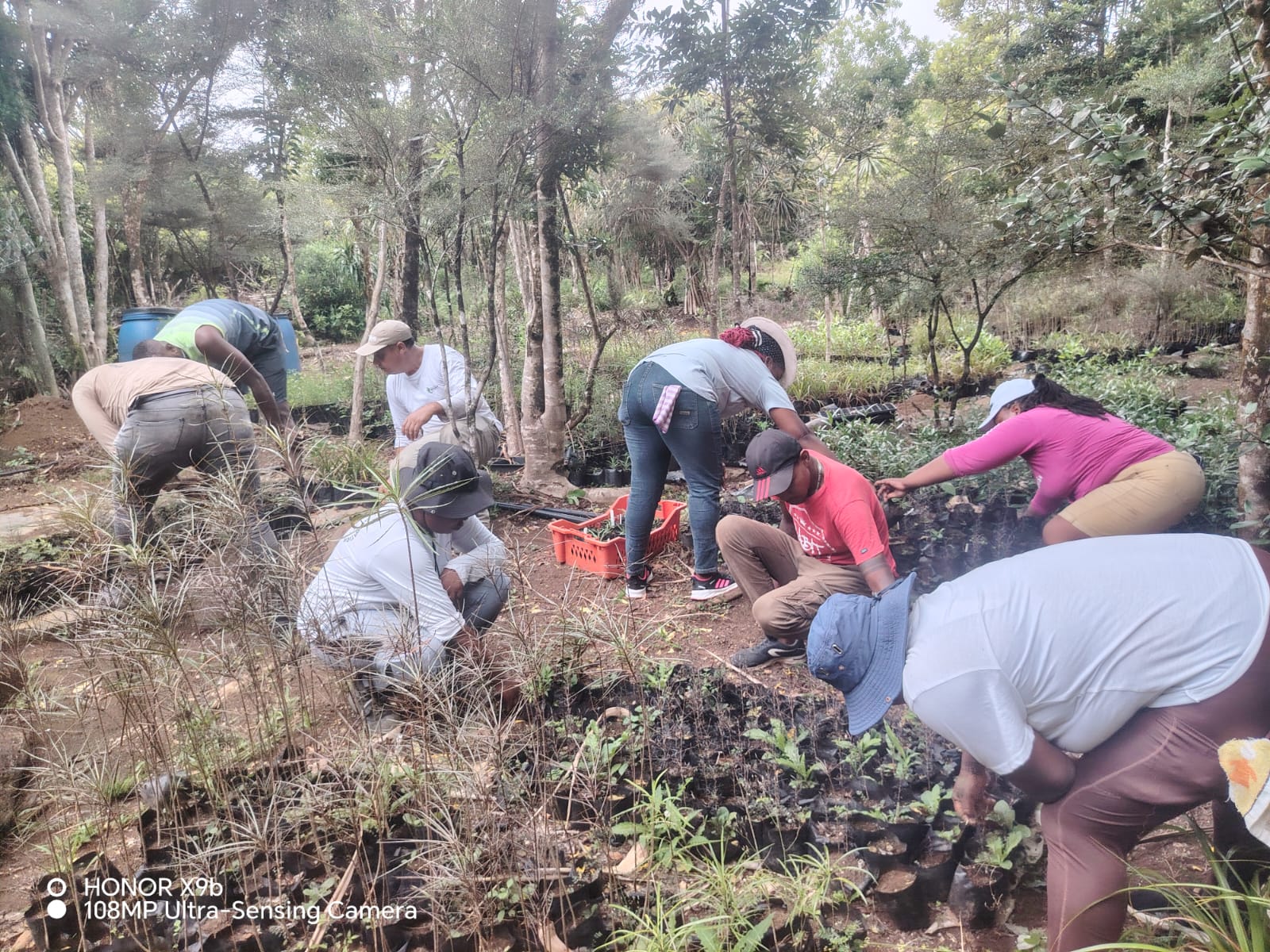
In addition to habitat management, the conservation programmes included monitoring native wildlife populations, many of which are endemic and were critically endangered.
These different efforts helped establish a baseline understanding of invertebrates surviving within the reserve including two known endemic insects Metioche (Supertes) superbus and M. payendeei, which are important components of the ecosystem.
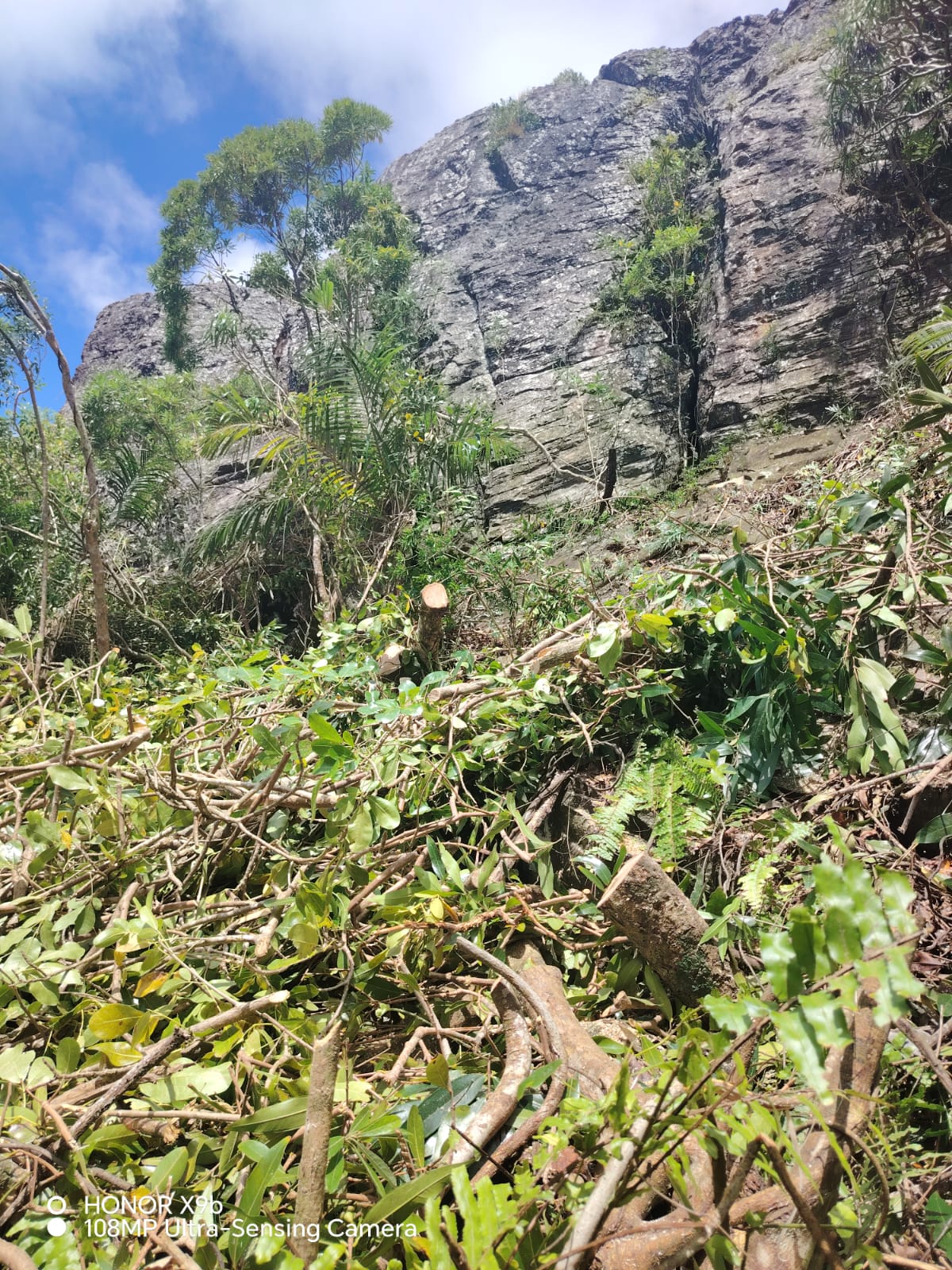
Community engagement and education also became integral components of the work, raising awareness among Rodriguans and visitors from Mauritius and abroad about the importance of protecting their island’s unique natural heritage.
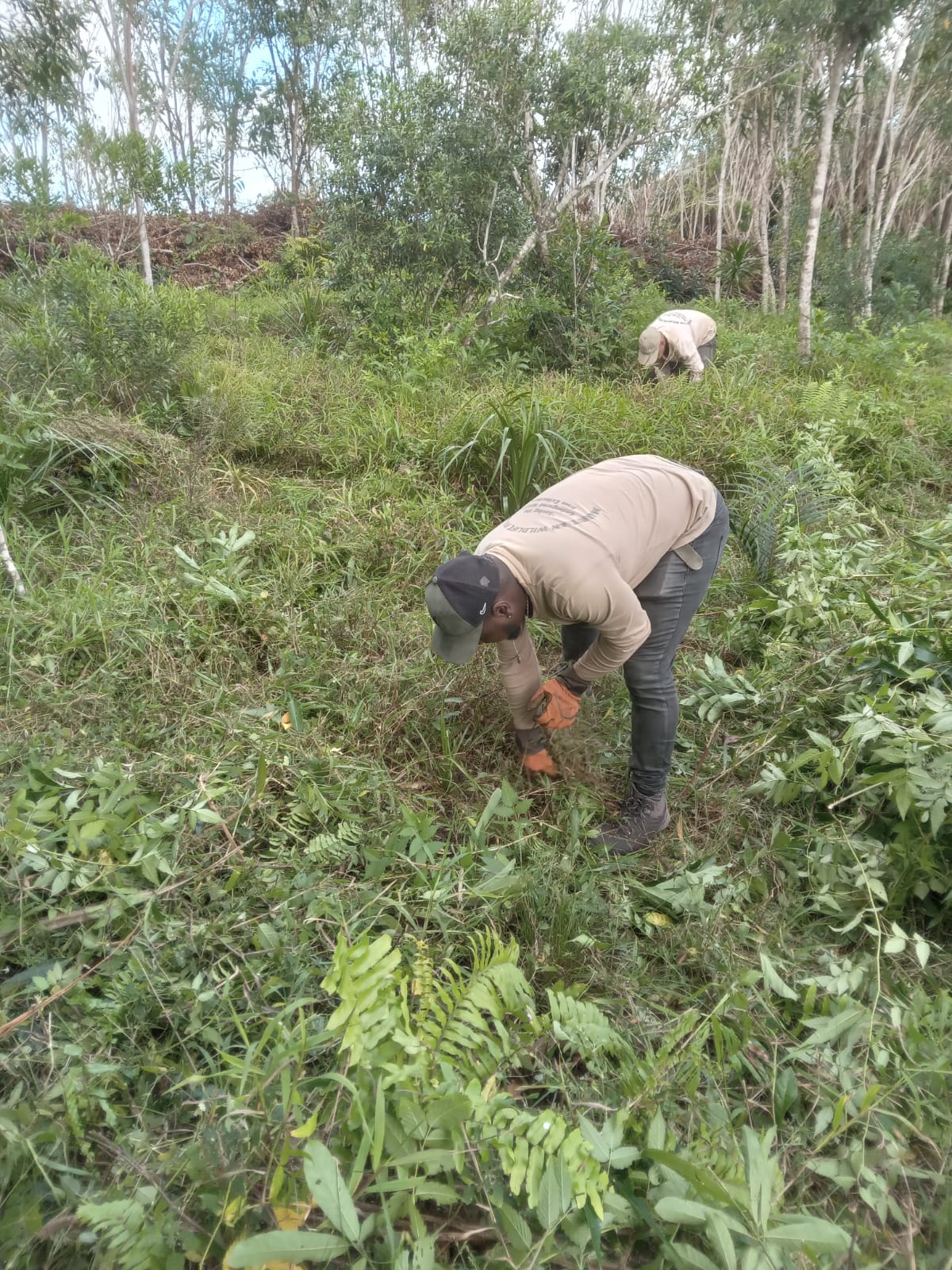
The combined actions of the Mauritian Wildlife Foundation and Rodrigues Forestry Service in the early years of the reserve laid the foundation for the long-term preservation of Grande Montagne’s native forest. The collaboration marked a pivotal moment in Rodrigues’ environmental conservation, demonstrating a shared commitment to restoring and safeguarding one of the island’s last natural refuges. The successes achieved during this period continue to inspire ongoing conservation initiatives and serve as a vital example of effective partnership in island ecosystem restoration.