


News
Tonight we celebrate International Bat Night, an event held annually in August, dedicated to the study, protection, and sensitisation around bats. This celebration aims to raise public awareness about the important role of bats in ecosystems, their biological diversity, and the need to preserve their habitats.
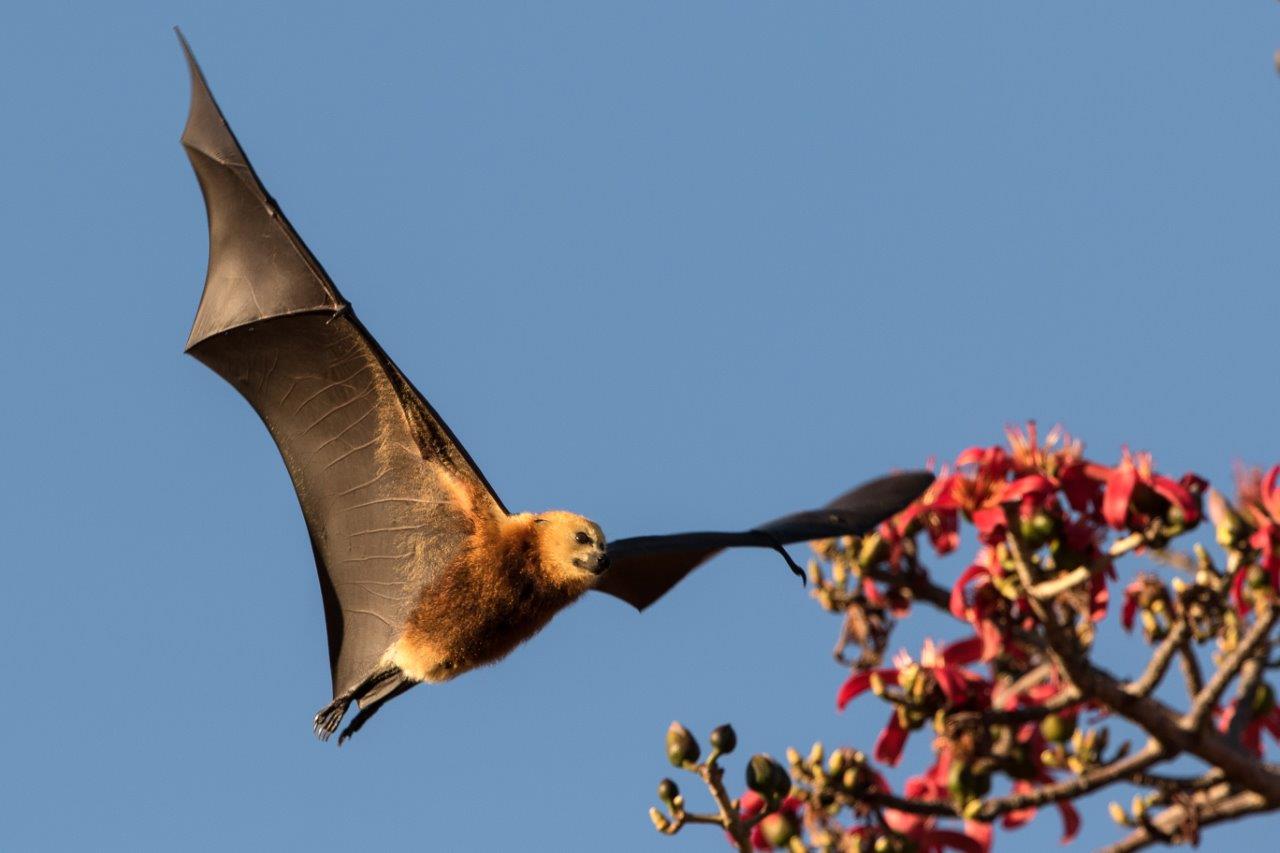
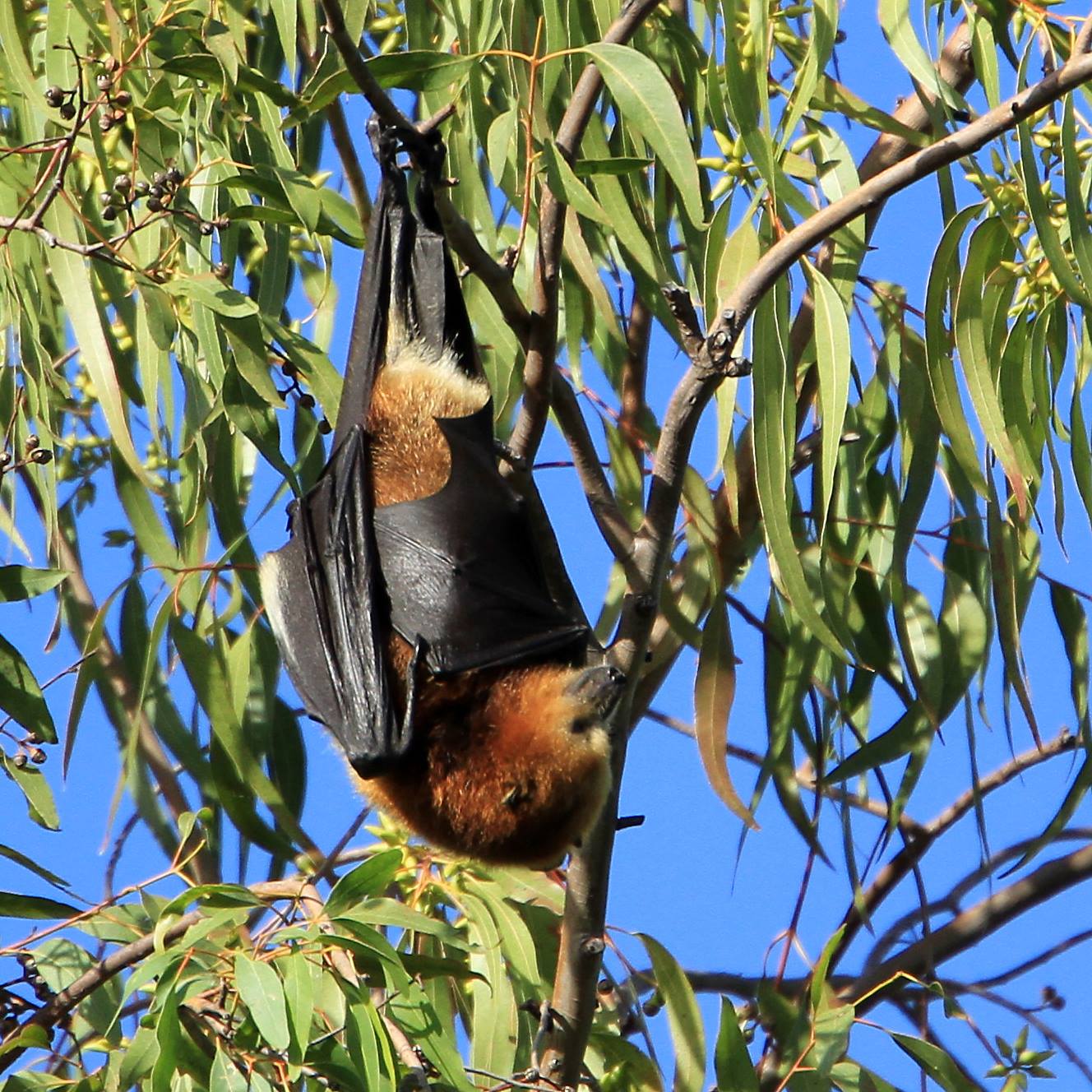
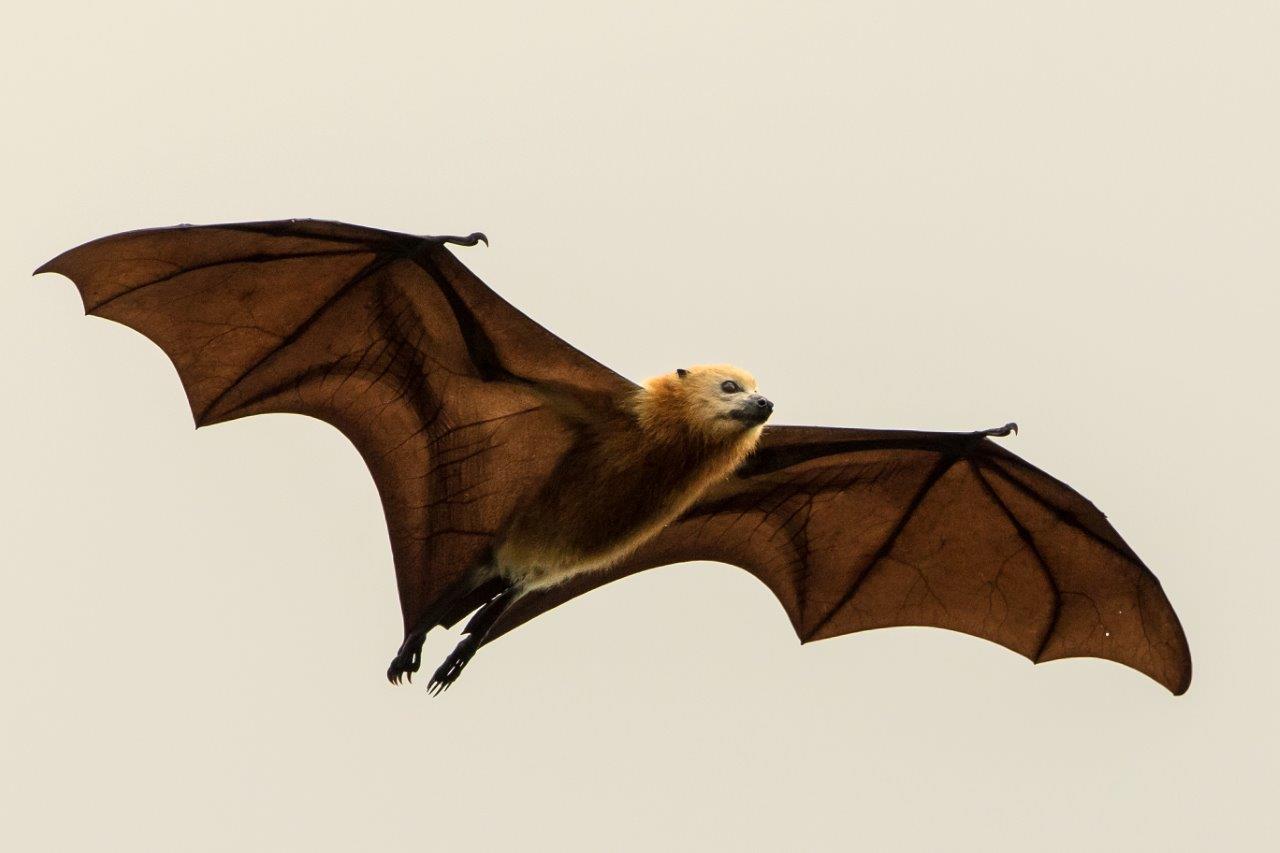
Mauritius has three bat species which unfortunately, are often not well perceived by humans. For example, the Mauritius Fruit Bat, Pteropus niger, classed as Endangered on the International Union for the Conservation of Nature’s (IUCN) Red List, has been subjected to government-sanctioned culls from 2015 to 2020, adding to the pressures of habitat loss and degradation, illegal hunting and persecution. This had led to the species being uplisted from Vulnerable to Endangered by the IUCN. Another threat to the Mauritius Fruit Bat is electrocution from power lines. According to IUCN red-list assessment of the species, up to a thousand bats are killed annually due to electrocution by power lines. These mortalities can be significantly reduced on a small island like ours.
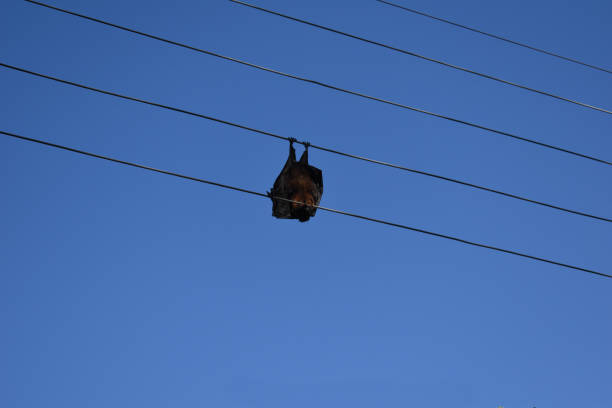
Electrocution has become one of the unnoticed but deadly threats to the Mauritius Fruit Bat. Similar threats have been documented in India, where the Indian Flying Fox, Pteropus medius, experiences high mortality near foraging sites and roost trees due to power lines, particularly affecting juveniles and females during the rainy season, according a recent study (‘Electrocution, a threat to the Indian Flying Fox in Tamil Nadu’ by Senthilkumar, K.,2024).
Other countries face similar issues between powerlines and wildlife and are devising solutions. In South Africa, vultures, which like fruit bats, have large wingspans and gregarious behaviour.
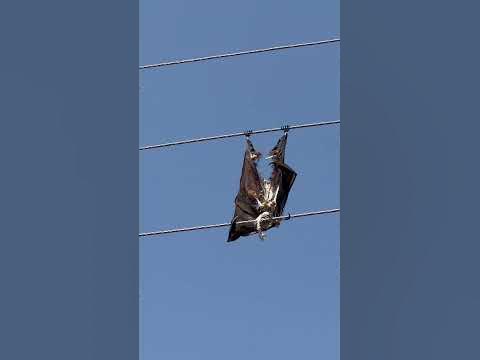
are especially vulnerable to electrocution on power lines. An Eskom, the South African energy company, and Endangered Wildlife Trust partnership has implemented mitigation measures, including replacing poles with more environmentally friendly ones which incorporates insulation of transformers, and fitting bird flight diverters, which has successfully reduced fatalities in high-risk areas, (Endangered Wildlife Trust report,2024). Drones are even being used to attach diverters safely and efficiently.
In Europe, line marking technologies use reflective, glow-in-the-dark, high-contrast, and moving elements to make power lines more visible, reduced bird collisions by 85 to 100 percent in some areas depending on line configuration, according to a study published in Zoo’s Print in 2024 (insert link if you have). These examples show that careful mapping of high-risk zones combined with strategic mitigation can drastically reduce wildlife deaths without interrupting electricity supply.
Mauritius, too, has options. Solutions exist, and we must be willing to adopt them. One urgent challenge we have identified is protecting bats from electrocution, and could be a ‘low-hanging fruit’. We believe that electrical lines in electrocution prone zones can be insulated, or cables can be placed underground. Lines could also be trialled with flight diverters, or spacing between lines increased, or disposition changed (from vertical to horizontal lines).
On this International Bat Night, we call on the relevant power suppliers and distributors to take action to ensure that our electricity network is more ecologically friendly by no longer posing a deadly threat to our bats.