News
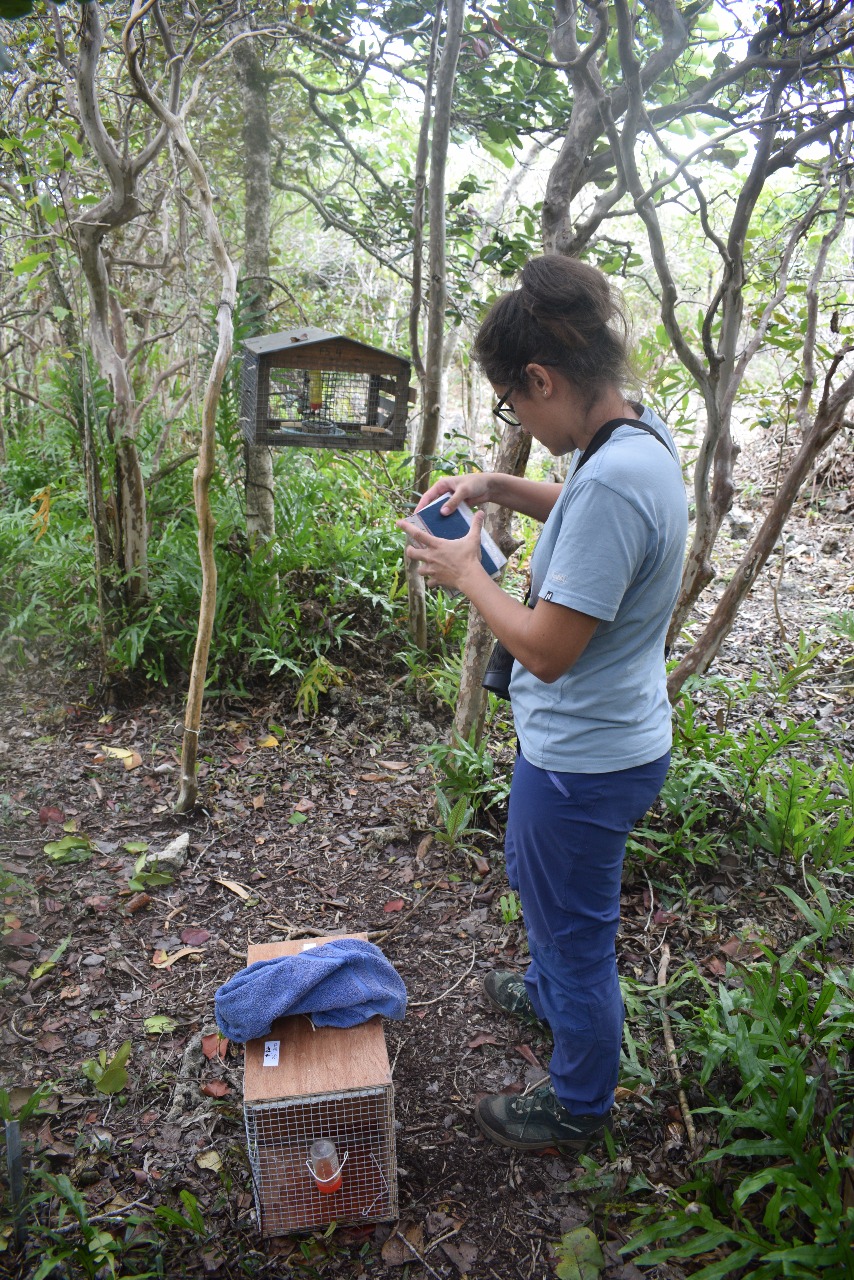
When the Wakashio bulk carrier ran aground on Mauritius’ coral reef in July 2020, no one could have predicted the scale of the environmental crisis that would follow. Just two kilometres from the wreck, the tiny islet of Ile aux Aigrettes was home to some of the country’s rarest passerines, namely the endangered Mauritius Fody and the critically endangered Mauritius Olive White-eye. As oil began leaking into the turquoise lagoon on 6th August, the Mauritian Wildlife Foundation (MWF) acted immediately to protect these threatened birds. That same afternoon, a team made their way to Ile aux Aigrettes. Using feeding stations and mist nets, they carefully caught six Mauritius Fodies and six Olive White-eyes. The following day, six more Olive White-eyes were caught, bringing the total to twelve Olive White-eyes and six fodies.
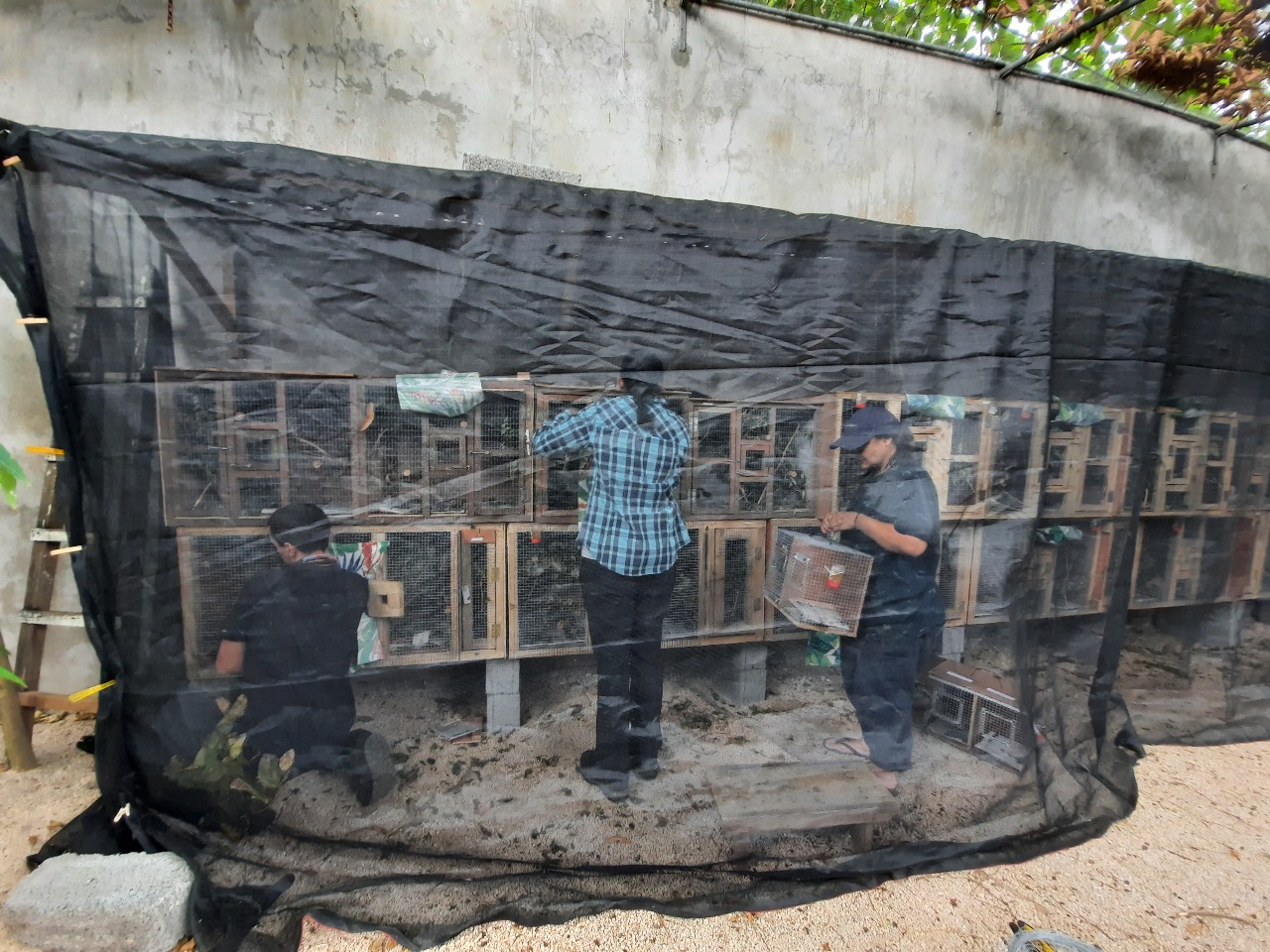
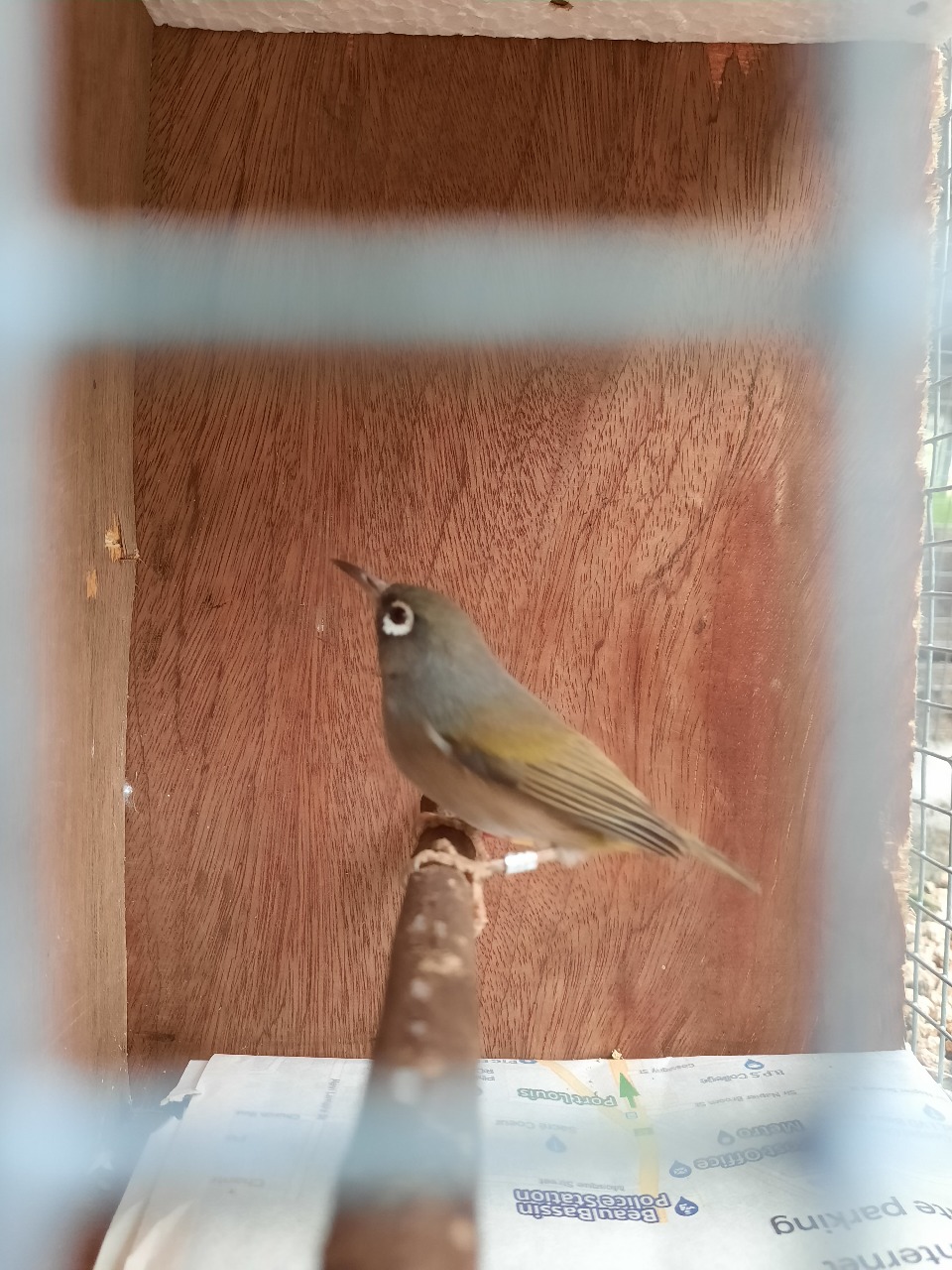
These birds were transported to the Black River aviaries (also known as the Gerald Durrell Endemic Wildlife Sanctuary) with the support of the National Parks and Conservation Service (NPCS). Since Olive White-eyes are highly territorial, they had to be kept in individual cages. Space was limited, so MWF and NPCS quickly built and modified new enclosures to ensure the birds had adequate shelter, foliage, and peace.
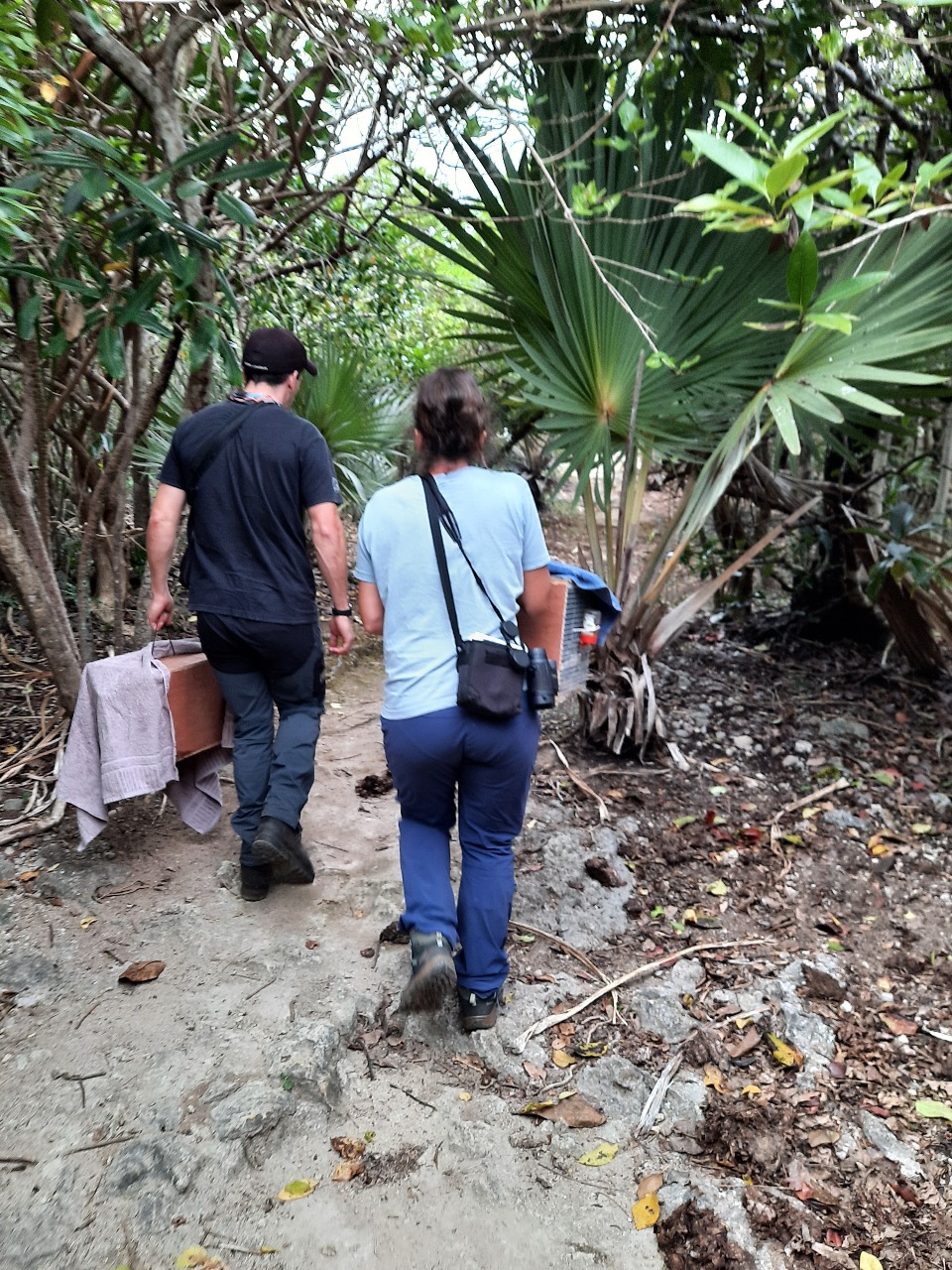
The birds were monitored daily, and efforts were made to provide as natural a setting as possible while they remained in captivity. “We had never had to respond to an oil spill before. Ile aux Aigrettes coastline was surrounded and coated in oil following the spill, and there were strong oil fumes on the island for quite some time. We had no idea what kind of impact this could have on the birds and the environment. Fearing that the fumes from the oil spill might harm the birds — and that we might not be able to return to the island to feed them — we decided to rescue a subpopulation. This precaution meant that, if the population on the island declined or went extinct, we would still have birds that could be reintroduced to the islet”, says Sion Henshaw, Fauna Manager at MWF. Tragically, one juvenile fody died in captivity despite all precautions. The rest of the rescued birds adapted relatively well to their new environment and conditions, although it was clear that they could not remain in captivity for long. These are wild birds, highly active and sensitive to their environment.
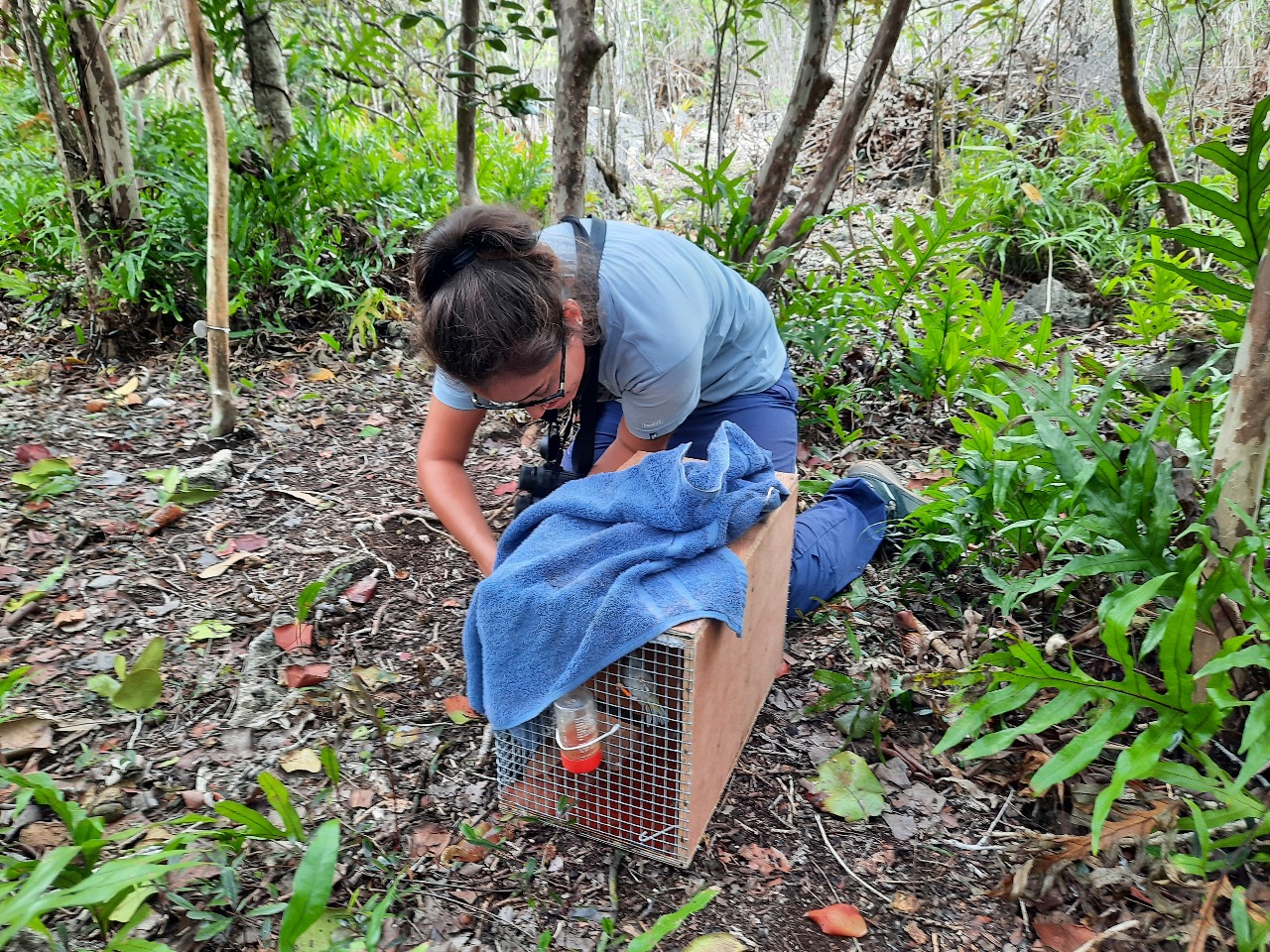
By mid-September, with much of the oil cleaned and the risk of further immediate impacts to the island reduced, we decided that it was time to return the birds to their home on Ile aux Aigrettes. On the morning of 15th September 2020, all 17 birds surviving were taken back to Ile aux Aigrettes and released at the spots where they had originally been captured. Most of them flew out of their cages immediately, behaving as expected, perching, preening, and exploring their old territories. However, reintroduction came with challenges. The long absence of some individuals had led to changes in territory and social structure among the birds that had been left on Ile aux Aigrettes. At least one Olive White-eye was attacked by others defending their space, and sadly, one bird was found dead the next day. “Olive White-eyes are highly territorial, so when we removed them from the island it changed the population structure and dynamics, so that when we put the twelve birds back onto the island it caused a lot of aggression”, says Sion Henshaw. Despite this, many of the released birds were spotted in the following days, behaving normally and reintegrating into the forest.
Today, five years after the oil spill, we know that bird numbers on Ile aux Aigrettes have declined. While we cannot say for certain that the oil spill is the sole cause, it remains a possible contributory factor. The passerines are also predated by the growing Asian House Crow population in Mauritius. What is clear, however, is that the swift rescue and re-introduction of these precious Mauritius Fodies and Mauritius Olive White-eyes gave them a fighting chance in the face of an unpredictable disaster.