

News
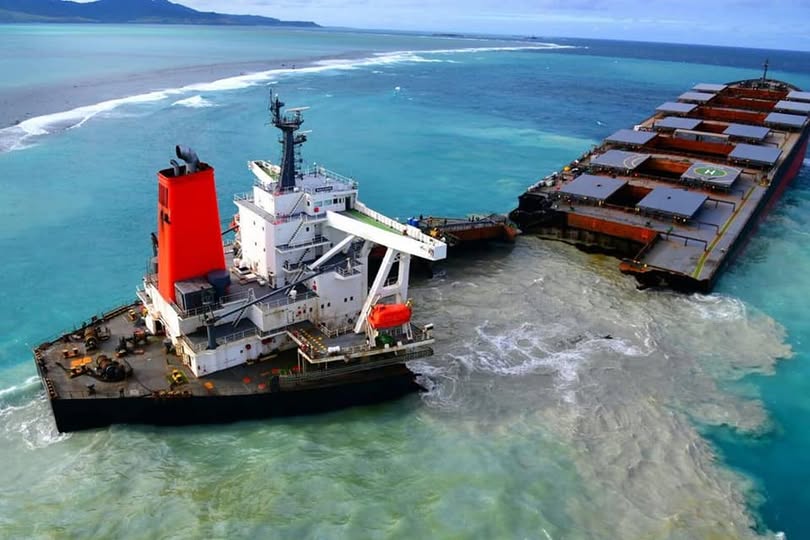
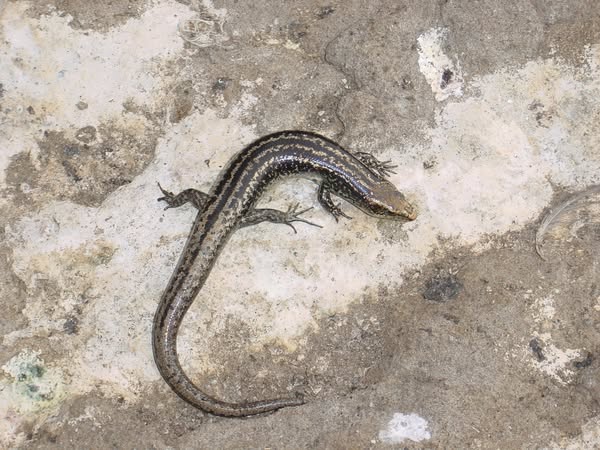
When the Wakashio began leaking oil into the lagoon in early August 2020, there were major concerns for the rare reptiles inhabiting the islets in the Mahebourg Bay. These small, isolated ecosystems support some of the world’s most threatened reptiles, such as the Bojer’s skink and lesser night gecko, but also the Bouton’s skink that is currently not threatened, but unique to Mauritius.
The immediate risk was that oil could contaminate the delicate coastal habitats and rapid action was necessary. “Three days after the initial oil spill, we found the oil had not only reached and had got onto the southeast islets, not helped by rough seas and strong winds carrying oil pollted seas spray to rain down across the islets at the time” explains Dr Nik Cole, Islands Restoration Manager. “My immediate concern was how this will impact upon the threatened reptiles on the islets.”
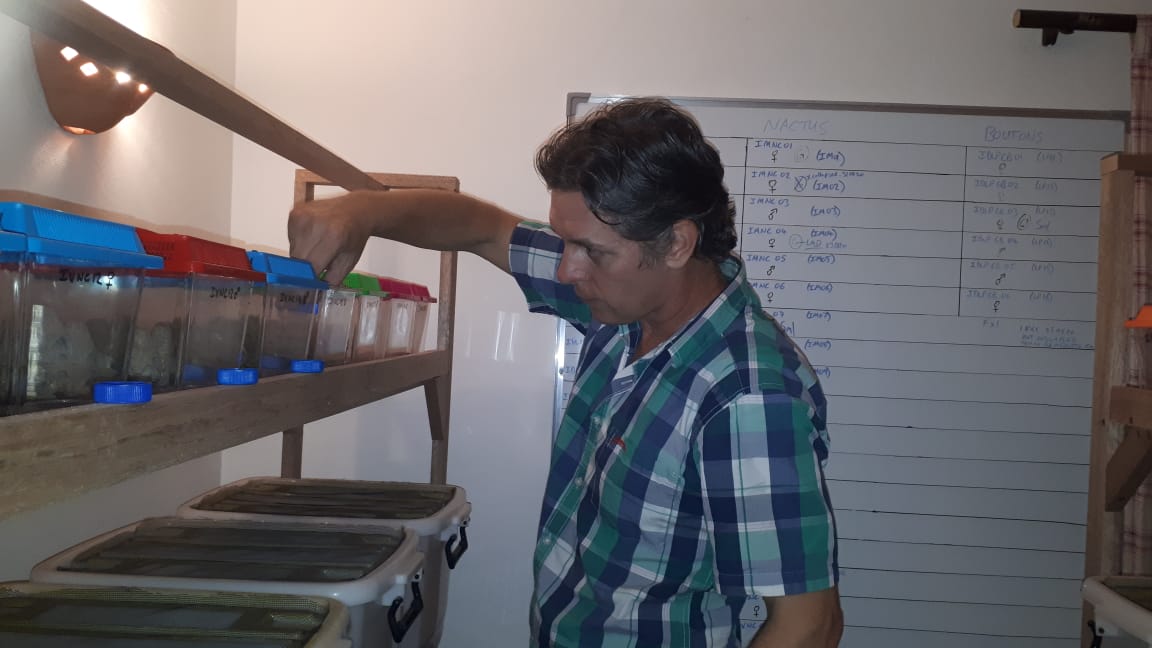
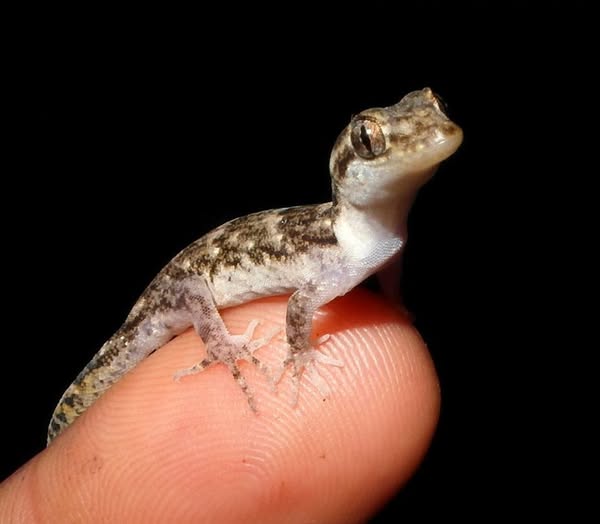
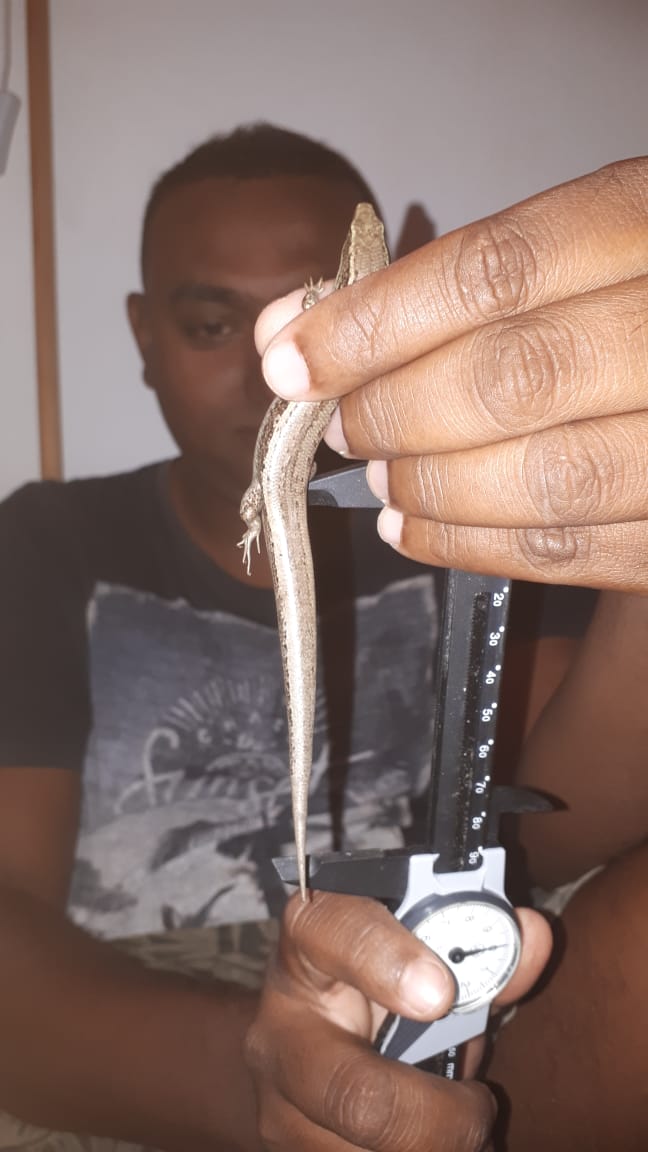
Permission was immediately granted through the National Parks and Conservation Service (NPCS) to collect a small number of reptiles to establish captive populations of each species should the oil have an irreversible impact. A team from the Mauritian Wildlife Foundation (MWF), Durrell Wildlife Conservation Trust, NPCS and the Forestry Service, targeted the collection towards the two most threatened reptile species. Equal numbers of healthy males and females were selected, in equal numbers across Ile de la Passe, Ilot Vacoas, Ile aux Fouquets (Ile au Phare) and Ile Mariannes, with a total of 30 Bojer’s skinks, 6 Bouton’s skinks and 30 lesser night geckos obtained. “Because these islets are so small, their reptile populations are equally small and are particularly vulnerable to disturbance,” says Nik. “You don’t need a massive impact for it to cause long term damage.”
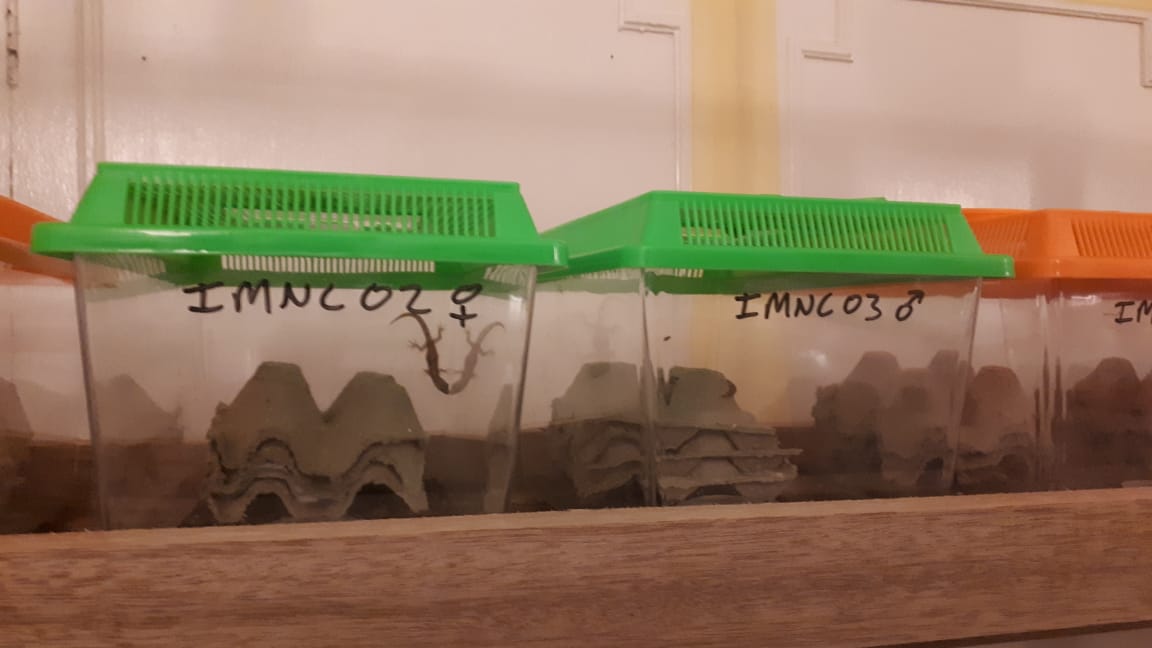
A temporary biosecure facility was set up almost overnight. A room in Nik Cole’s own house was transformed to accommodate the rescued reptiles. They were maintained at this temporary facility for a month before they could be flown, with the assistance and support of the Jean Boulle Group to Durrell’s Jersey Zoo, where the expertise and facilities exists for long-term biosecure captive management. “It was fortunate we had the expertise available to keep them alive. I’ve been breeding reptiles since childhood. We had to think fast, especially under COVID-19 restrictions, to make this happen”, Nik added.
Signs of recovery are promising, many insects are returning to pre-spill levels, and the reptiles appear stable, but it’s still too early to fully understand the impact. “It’s hard to say definitively whether there was a population crash, but there were clear signs of stress,” Nik notes. “The lesser night geckos (Nactus coindemirensis) in the wild populations were thinner than normal. We observed fewer than expected food items on the islets that the geckos preferentially eat, such as moths and woodlice. But the most telling indicator was genetic.”
Analyses of gecko DNA obtained before and after the oil spill revealed a change in genetic variation. “The change in genetic variance could only be explained by a severe bottleneck in the population size, fewer individuals passing on fewer traits. Genetic variance is crucial. It’s what allows populations to adapt to climate change, new diseases, or other new pressures. Without it, they’re less resilient and more prone to extinction” he explains. Fortunately, the individuals sent to Jersey Zoo still retained much of the variance prior to the oil spill. “This year, we brought gecko back eggs to Mauritius, and released them on the islets where they will hatch. We’re trying to restore what was lost.”
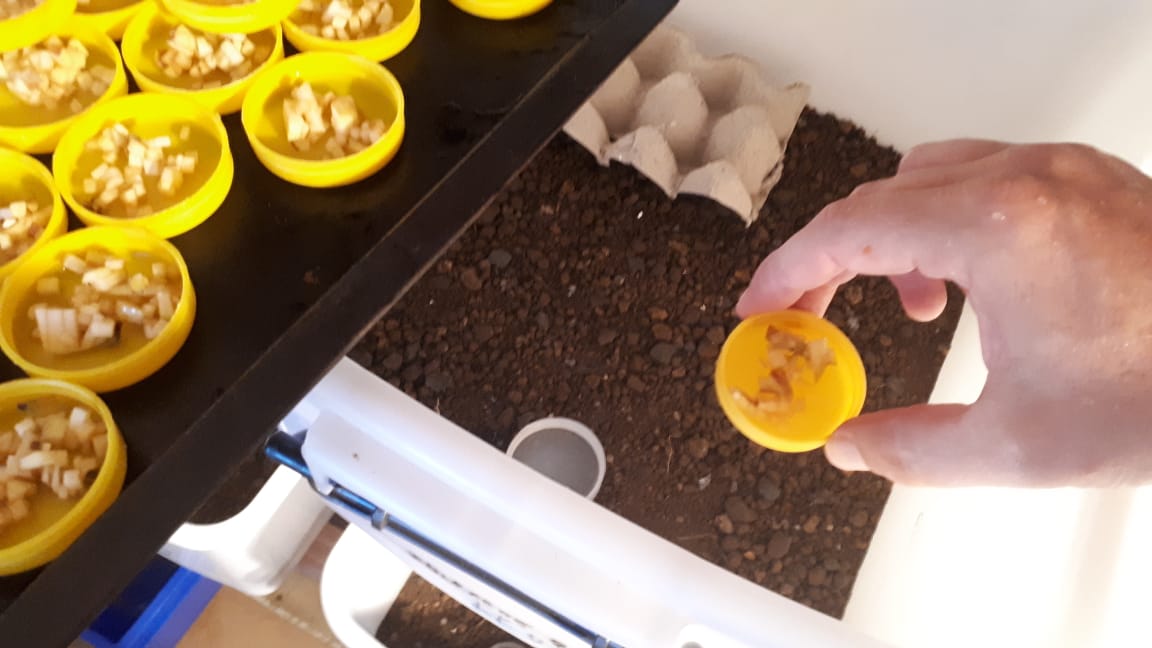
The long term effects of the oil spill may take years, even decades, to become clear. What’s certain is that without rapid intervention, the damage would have been worse. “The big lesson is the importance of long term, species specific monitoring,” says Nik. “If we hadn’t already been tracking these populations, we wouldn’t have known what changed or how to act.”
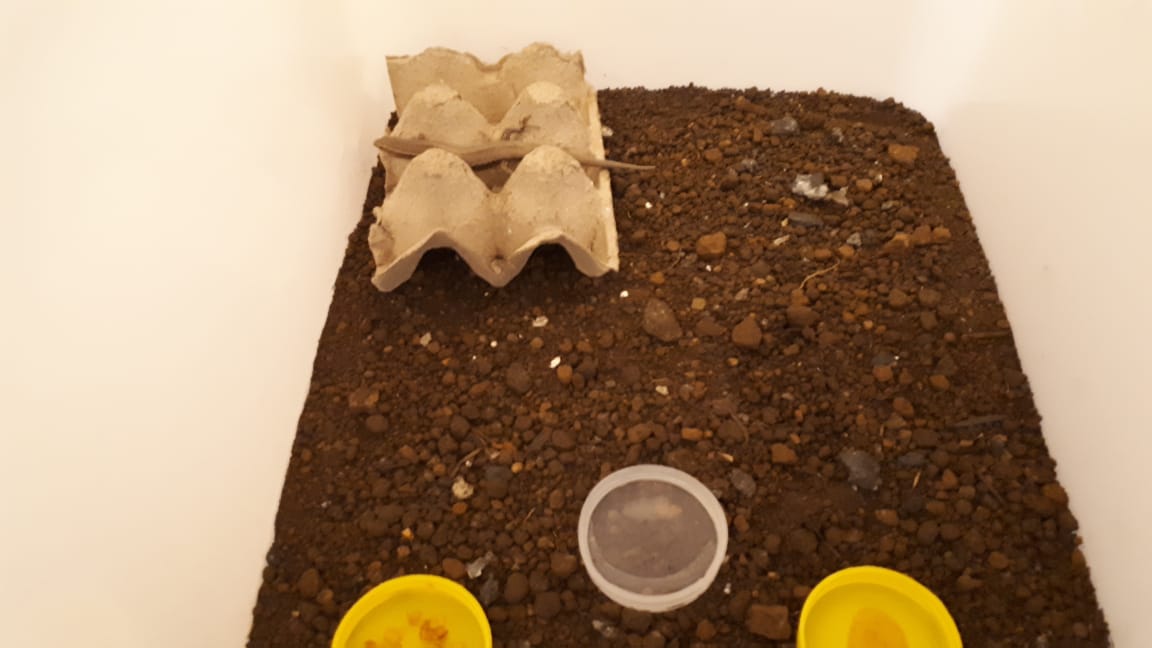
The rescue effort was a success of collaboration between NGOs, government agencies, and community members, all working together. “It was amazing how everyone just rushed in to help,” Nik recalls. “That’s the only way this could have happened, by coming together.”