


News
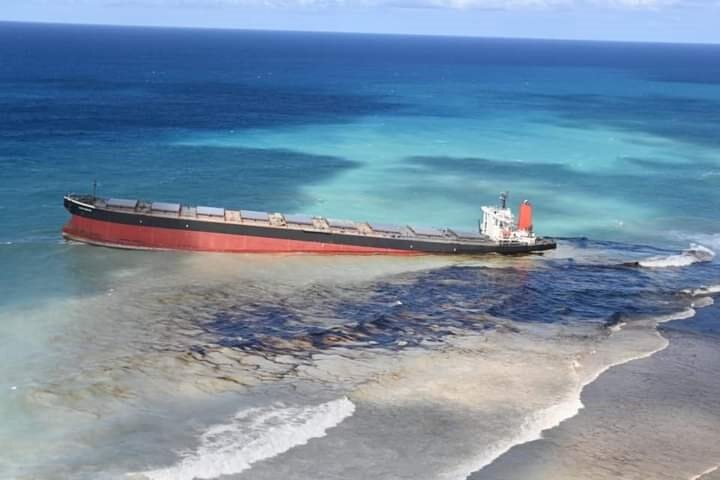
Five years have passed since 25th July 2020, when the bulk carrier MV Wakashio ploughed into the coral reef off Pointe d’Esny, some two kilometres from Ile aux Aigrettes. Heavy bunker fuel began seeping from the fracturing hull. By the time the vessel split in two on 15th August, about 1,000 tonnes of oil and lubricants spilt into the lagoon, while the remainder (more than 3,000 tonnes) was safely pumped off from harm. The oil spill threatened the fragile ecosystem of Ile aux Aigrettes.
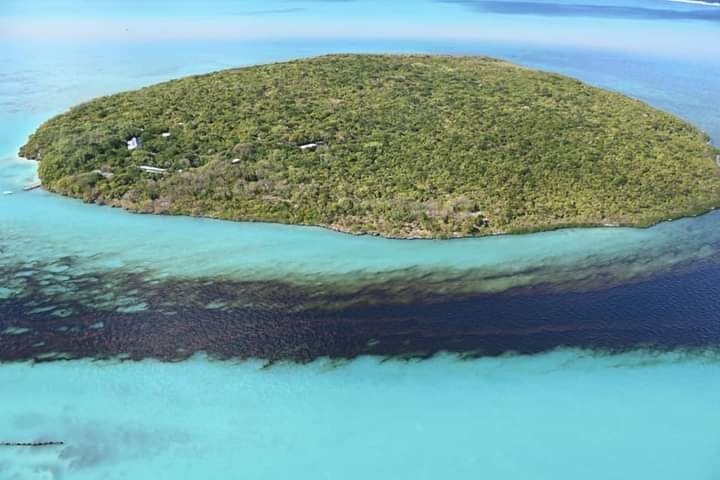
At the time of the incident, the island was home to a thriving population of native and endemic plants, some of which are amongst the rarest in Mauritius, and the world. These species had been grown, nurtured, and reintroduced over years of committed restoration work, including trees that had once all but disappeared from the wild. Faced with the danger of contamination from oil and the possibility of long-term damage to the island’s fragile ecosystem, the Mauritian Wildlife Foundation (MWF) acted swiftly and decisively.
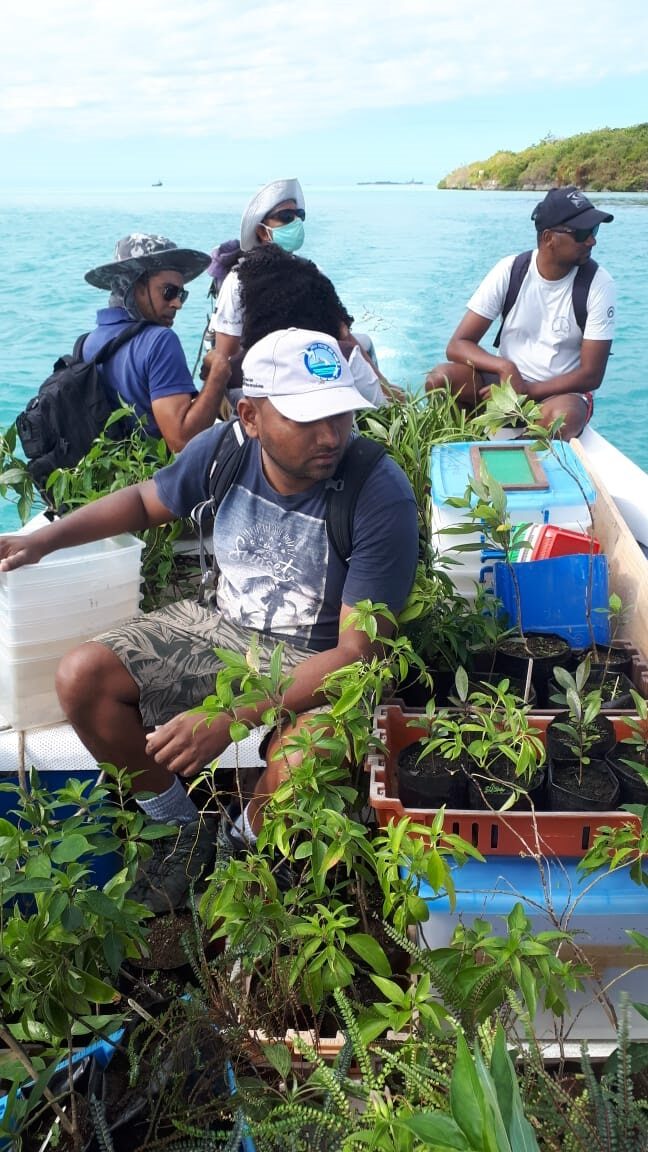
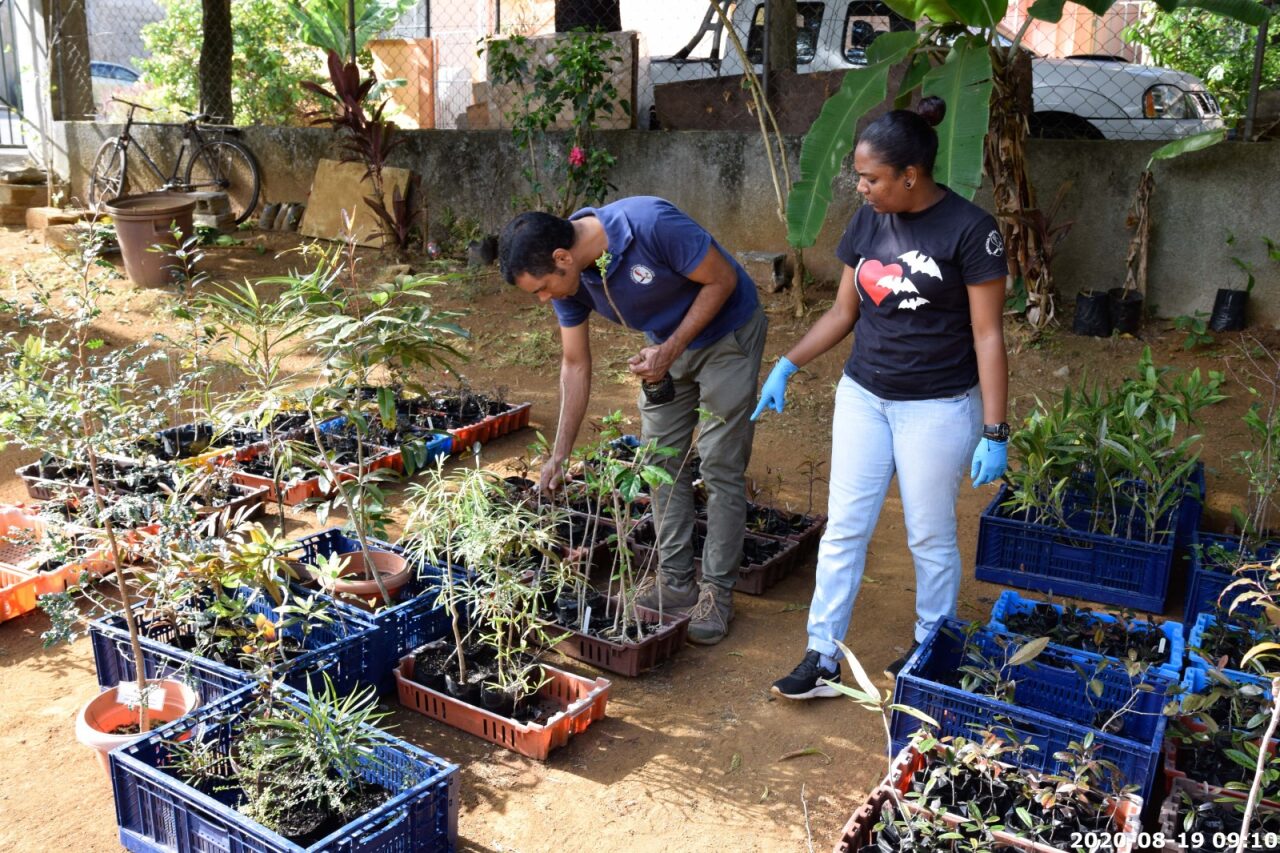
Within days from of the oil spill, teams began relocating more than 4,000 plants from the island’s nursery to a secure location on the mainland, the Forestry Service nursery in Mahebourg. These included seedlings of Critically Endangered species, carefully transported to prevent loss if the island’s environment became uninhabitable, or access was denied. This large-scale rescue operation was logistically challenging but vital.
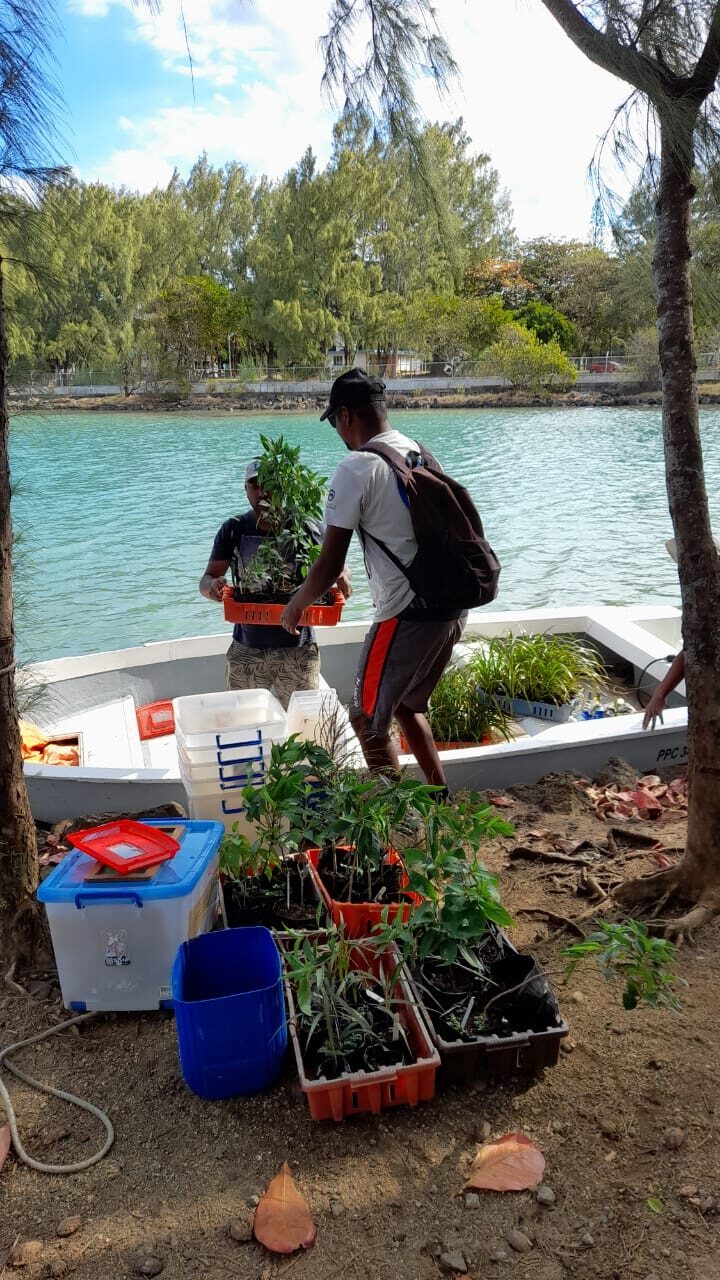
The nursery became a site of emergency action. MWF staff and volunteers worked intensively to identify the rarest and most vulnerable plants, prepare them for transport, and re-establish them in safe settings where they could continue to grow. On the other hand, some plants whose branches and leaves were affected by fuel were trimmed. They are still being monitored by MWF’s flora team.
Today, five years later, the forest on Ile aux Aigrettes appears to be healthy. The swift intervention helped preserve much of the island’s coastal flora, and the relocated plants have since been brought back to Ile aux Aigrettes and growing once again in their original home. However, the effects of an oil spill may take years or even decades to fully manifest themselves. Ecological impacts, particularly on slow growing species, can become apparent long after the disaster. In past incidents around the world, scientists have documented long lasting damage in shoreline sediments and declines in certain species many years after the spill. Given this historical context, we remain cautious in our assessment of Ile aux Aigrettes’ recovery and continue long term monitoring to detect any delayed effects that might only now be emerging.