News
On a regular basis, the Education team of the Mauritian Wildlife Foundation (MWF) ventures to the South East Islets of Mauritius to carry out a monitoring activity. These islets, including Ile aux Aigrettes, Ile de la Passe, Ilot Mariannes, and Ile au Phare (Ile aux Fouquets), have important native ecosystems with a number of endemic species fauna and flora combined. Through these regular monitoring trips, we aim to survey the islets, detect any major changes, and assess whether the conservation guidelines for visiting these sensitive reserves are being respected. By comparing data collected over time, we can identify incidents, measure the impact of visitors, and evaluate the effectiveness of the workshops run under the South East Islets Education Programme of the Mauritian Wildlife Foundation.
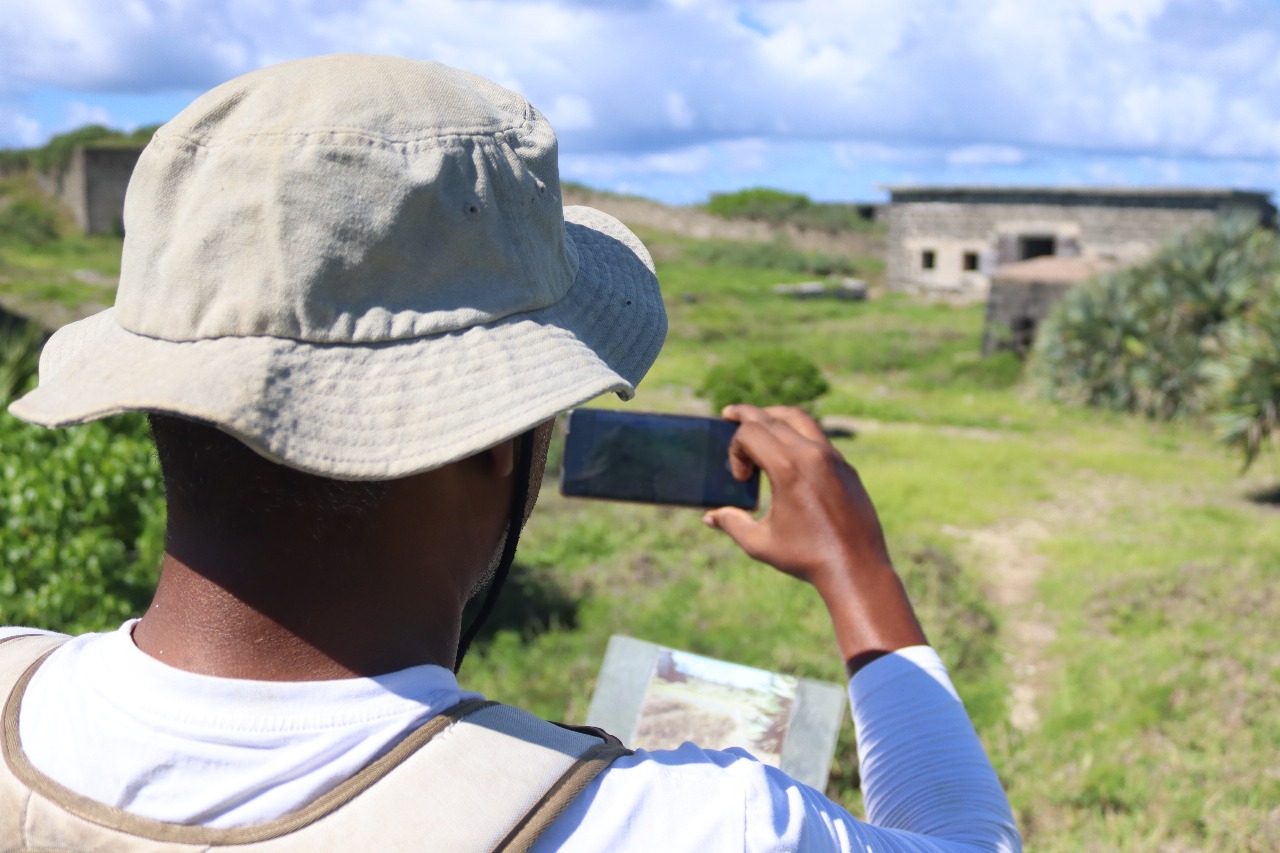
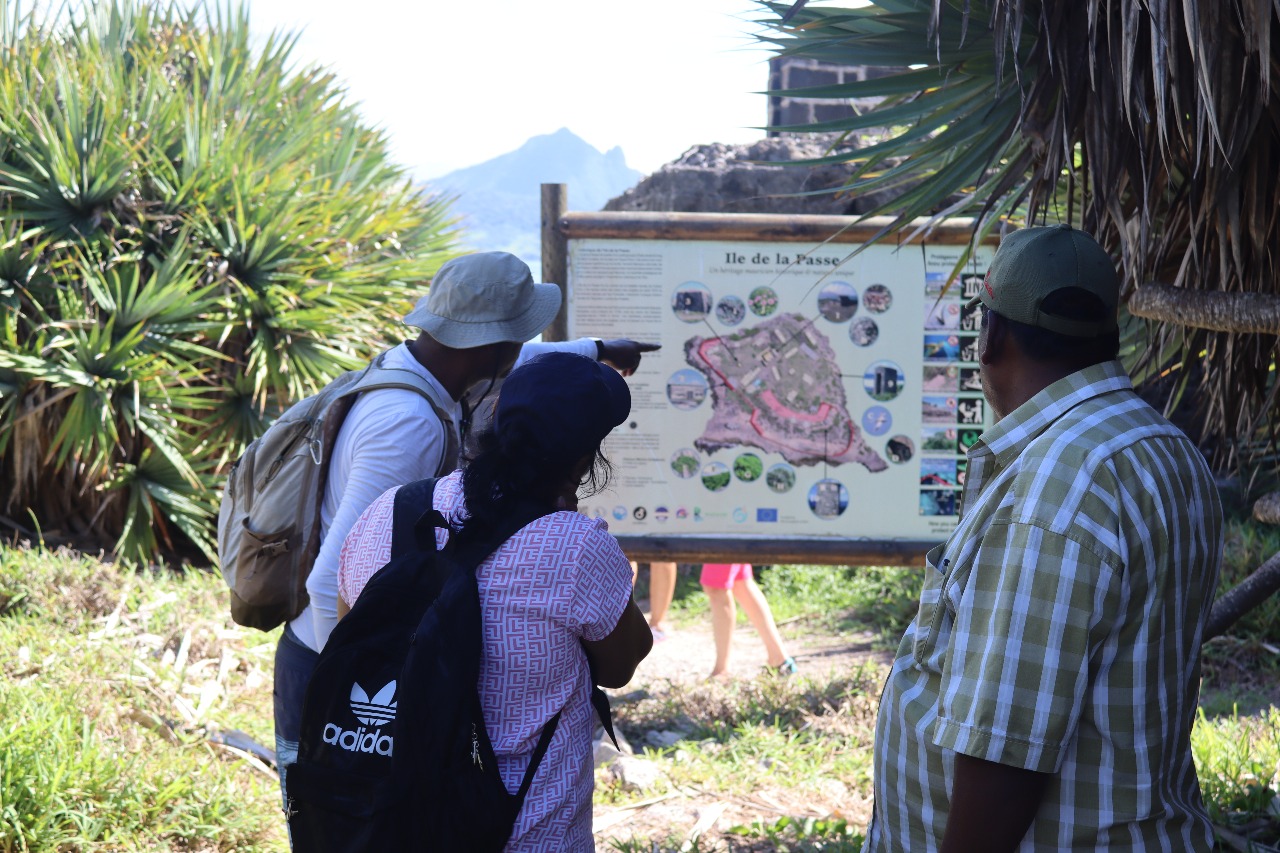
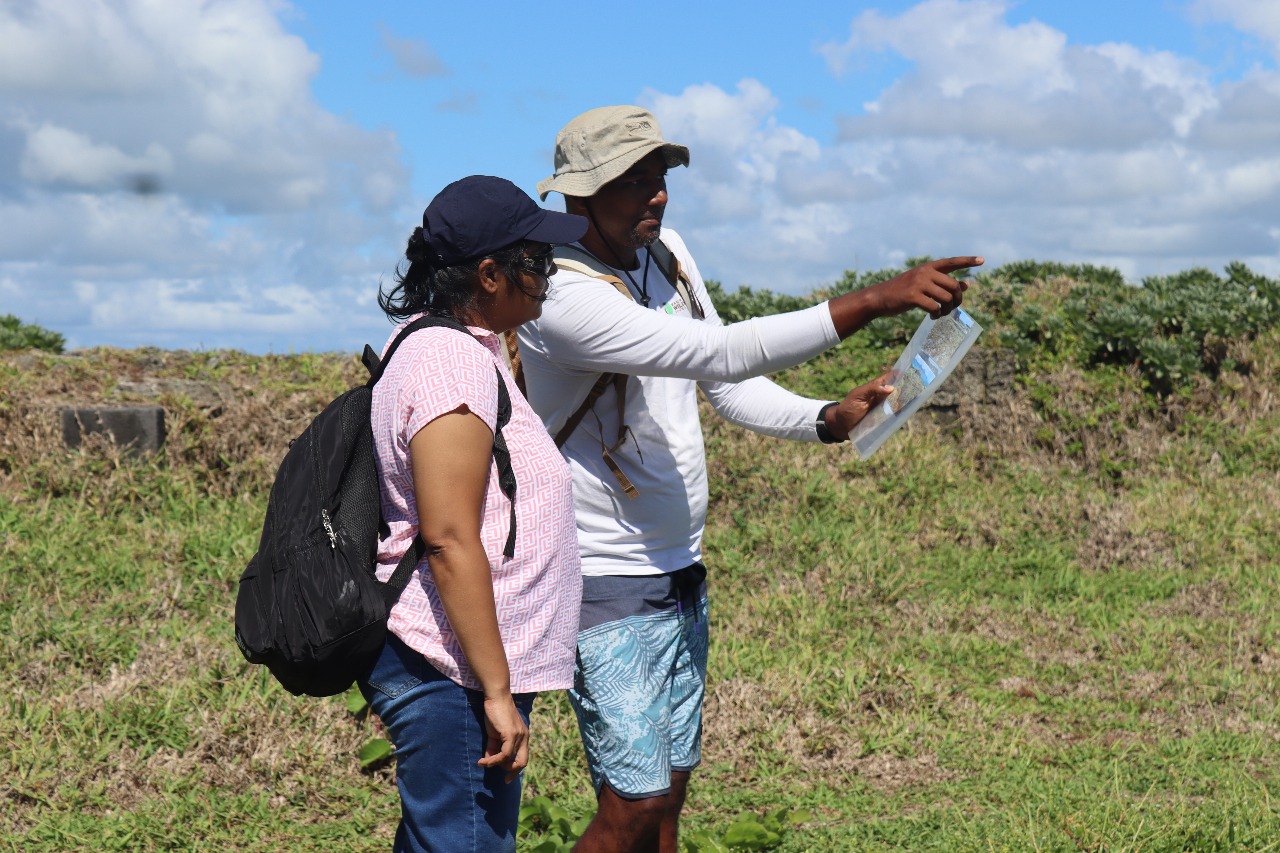
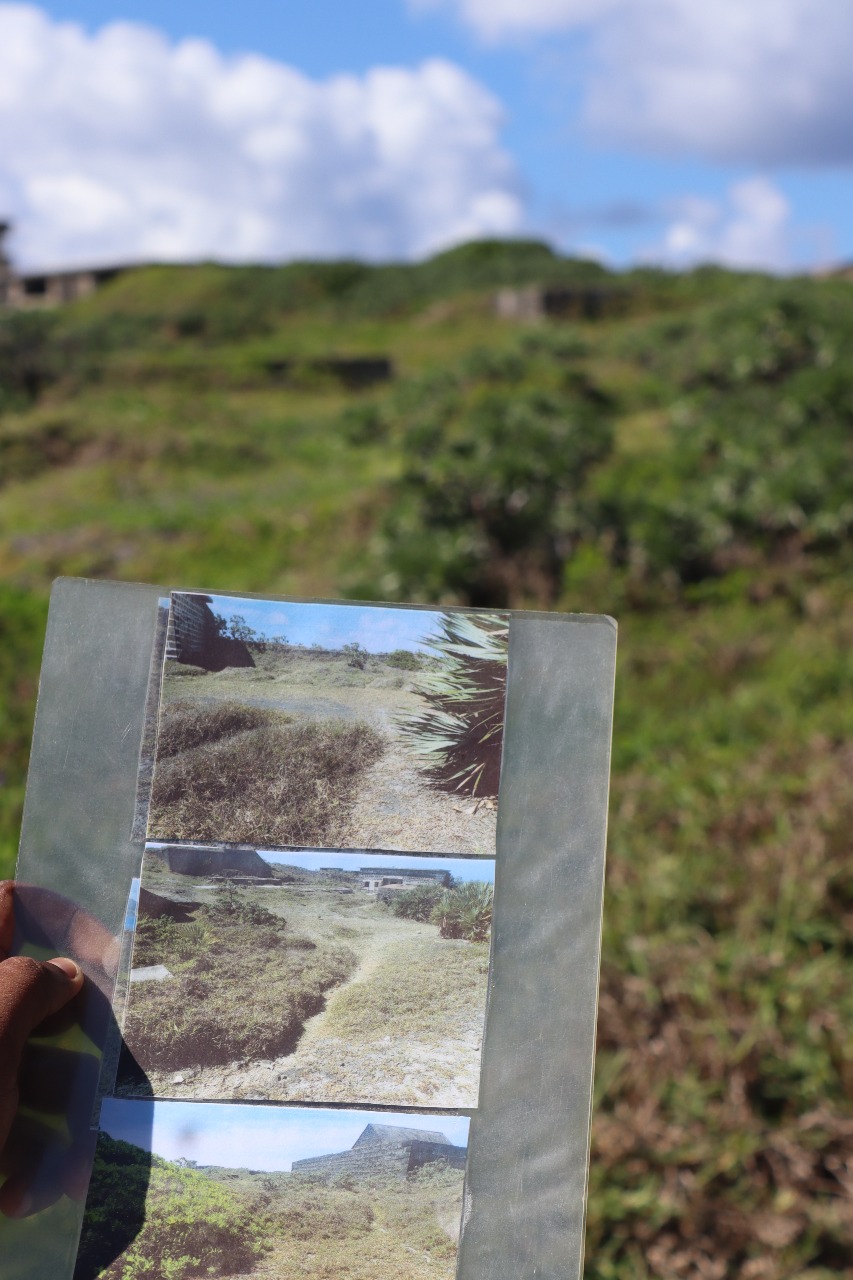
On this specific monitoring trip, a member of the MWF Education team was joined by representatives from the Forestry Service and the National Heritage Fund. Their mission focused on Ile de la Passe and Ile aux Mariannes. During each monitoring trip, the team takes photographs from carefully selected observation points to detect any noticeable changes. These visual comparisons offer important clues about how the islets are being used and whether any damage is occurring. Another key part of the monitoring is to track fire marks, as campfires or burning can pose serious threats to these fragile ecosystems. The team also remains on high alert for any signs of new invasive species, which could endanger the unique endemic geckos, skinks, birds, and plants that call the islets home.
During this trip, while Ile de la Passe showed no unusual signs apart from the natural degradation of its historic buildings, which in some cases are now becoming unsafe to enter, the situation on Ilot Mariannes raised concerns. Despite being a closed nature reserve (access is not allowed for the public), traces of human activity were found, including evidence of a campfire. Burnt wood was discovered in the middle of the islet, suggesting that visitors deliberately chose a hidden spot to avoid detection by patrolling officers on boats.
Such findings highlight the ongoing challenges in protecting these precious islets. Human intrusion, even unintentional, can have devastating effects on the delicate balance of these ecosystems.
The South East Islets Education programme is aimed at sensitising leisure boat skippers, fishermen, private boat owners, tourism operators, coastguards and other enforcement officers in this region on how to help protect the wildlife on the South East islets. The project started in 2017 and was initially financed by the European Union through the Indian Ocean Commission for a period of 18 months. In 2019, the National CSR Foundation (NCSRF) and the #MCBgroup brought their support to the project and this enabled the extension of the programme to the Northern Islets. The same monitoring exercise is done on Flat Island and Gabriel Island every four months.