
News
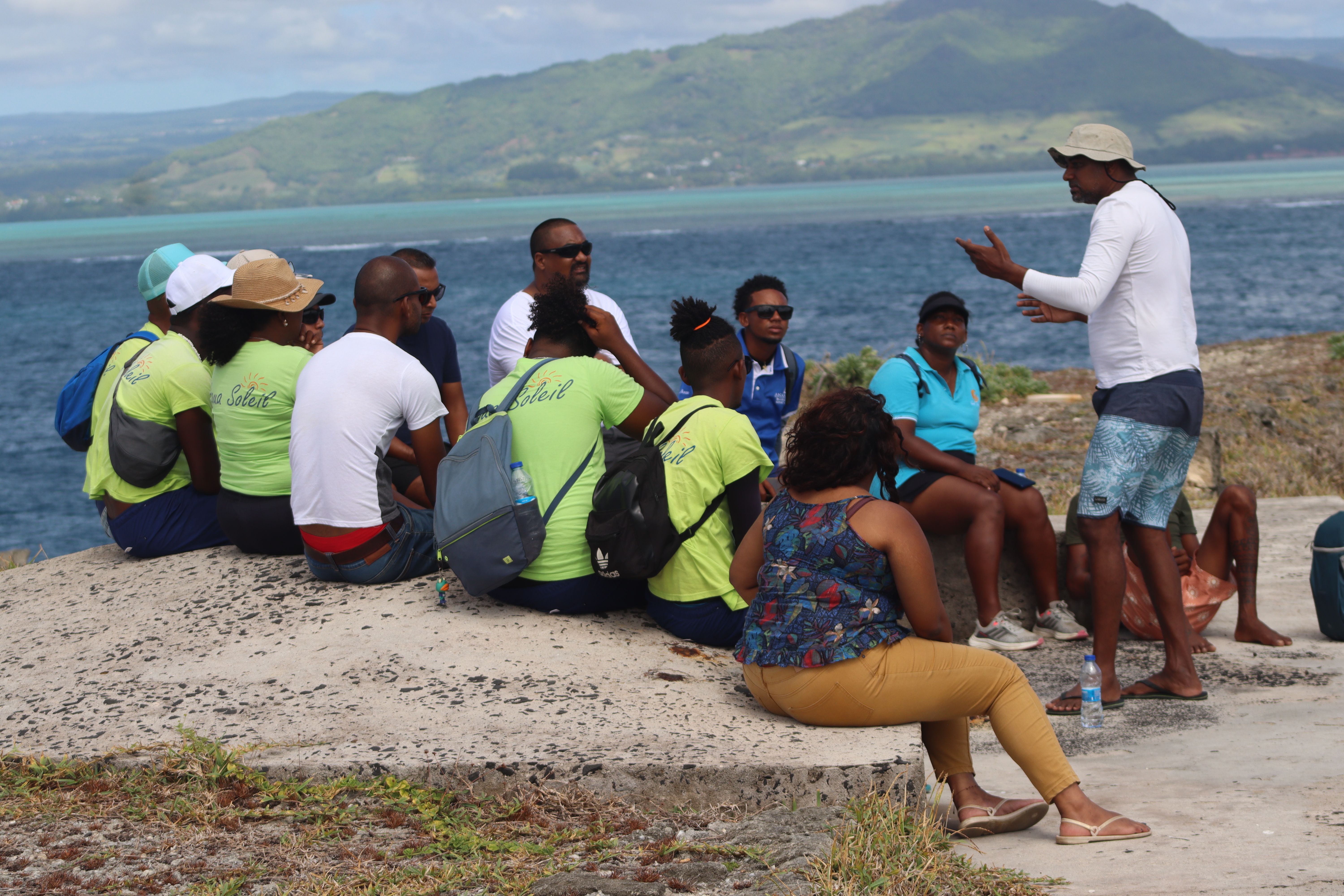
On the 21st February, the Education team of the Mauritian Wildlife Foundation organised a visit to Ile de la Passe for a group of skippers in the context of the Anou Protez Nou Bann Zil programme. The outing was led by Benny Henry (Education Assistant), who guided the participants through an exploration of the islet’s unique flora, fauna, and historical heritage.
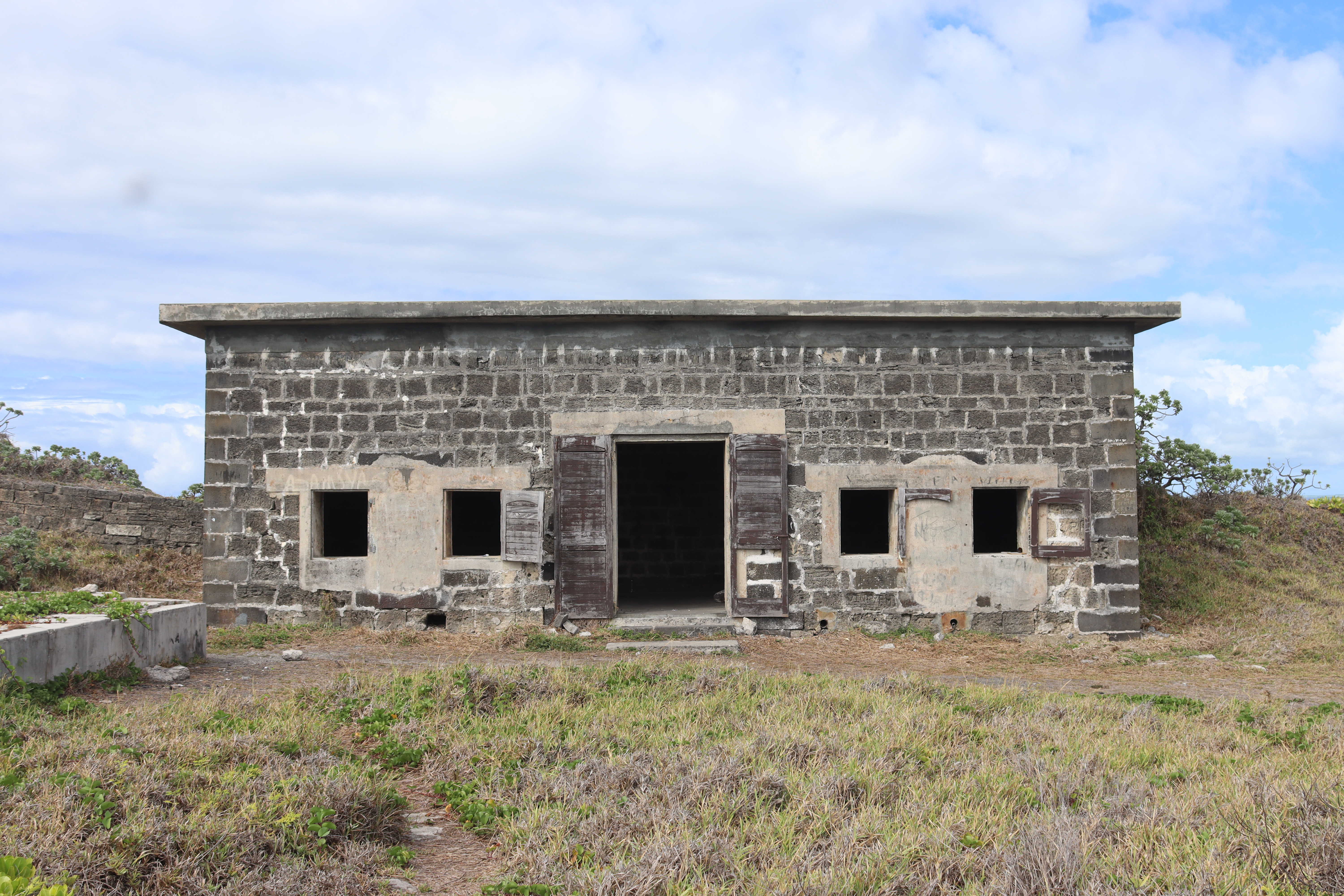
Ile de la Passe is a small rocky islet situated in the southeast of Mauritius, within the lagoon of Grand Port. It is well known for its role in the historic Battle of Grand Port in 1810, but beyond its military past, it also holds ecological significance.
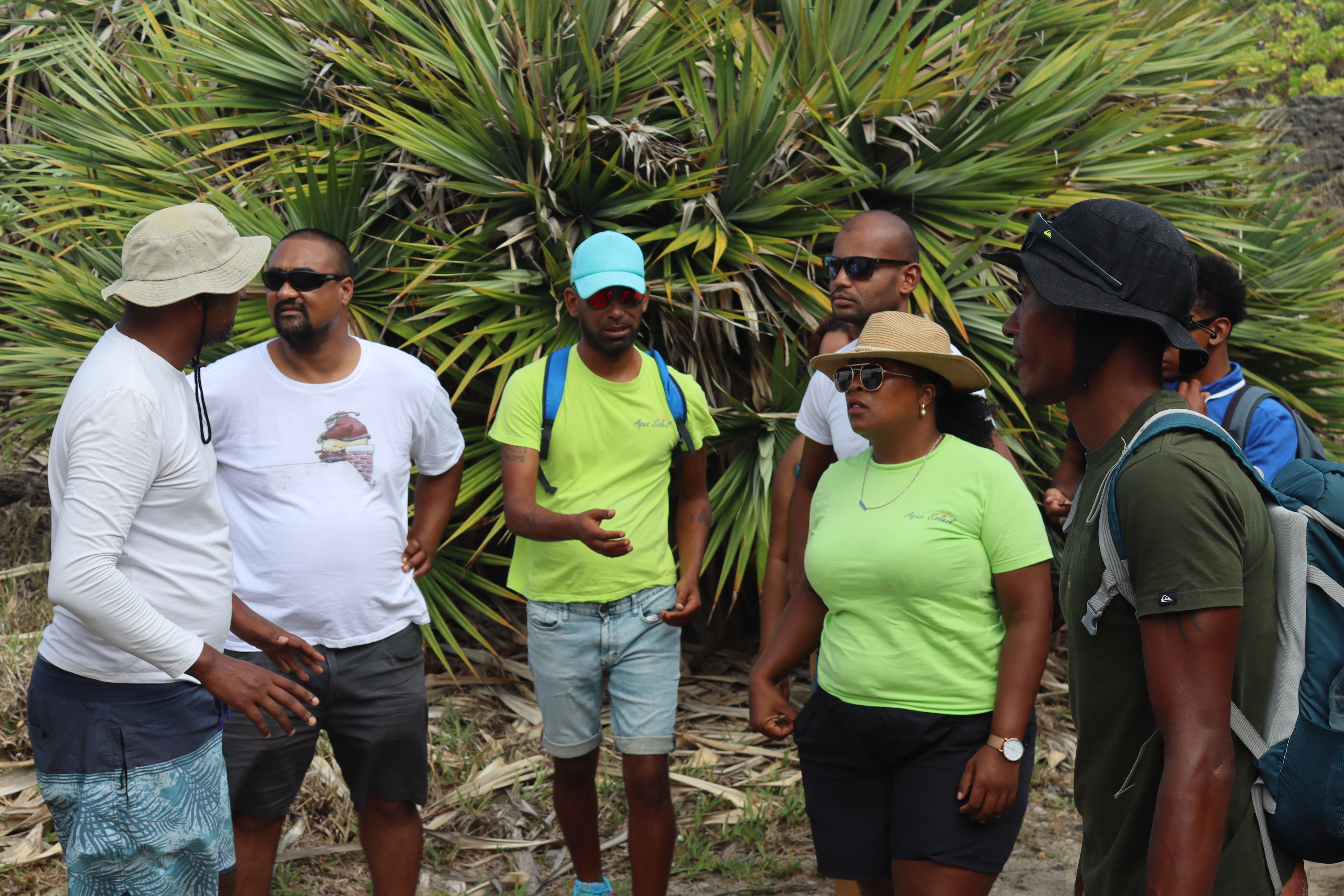
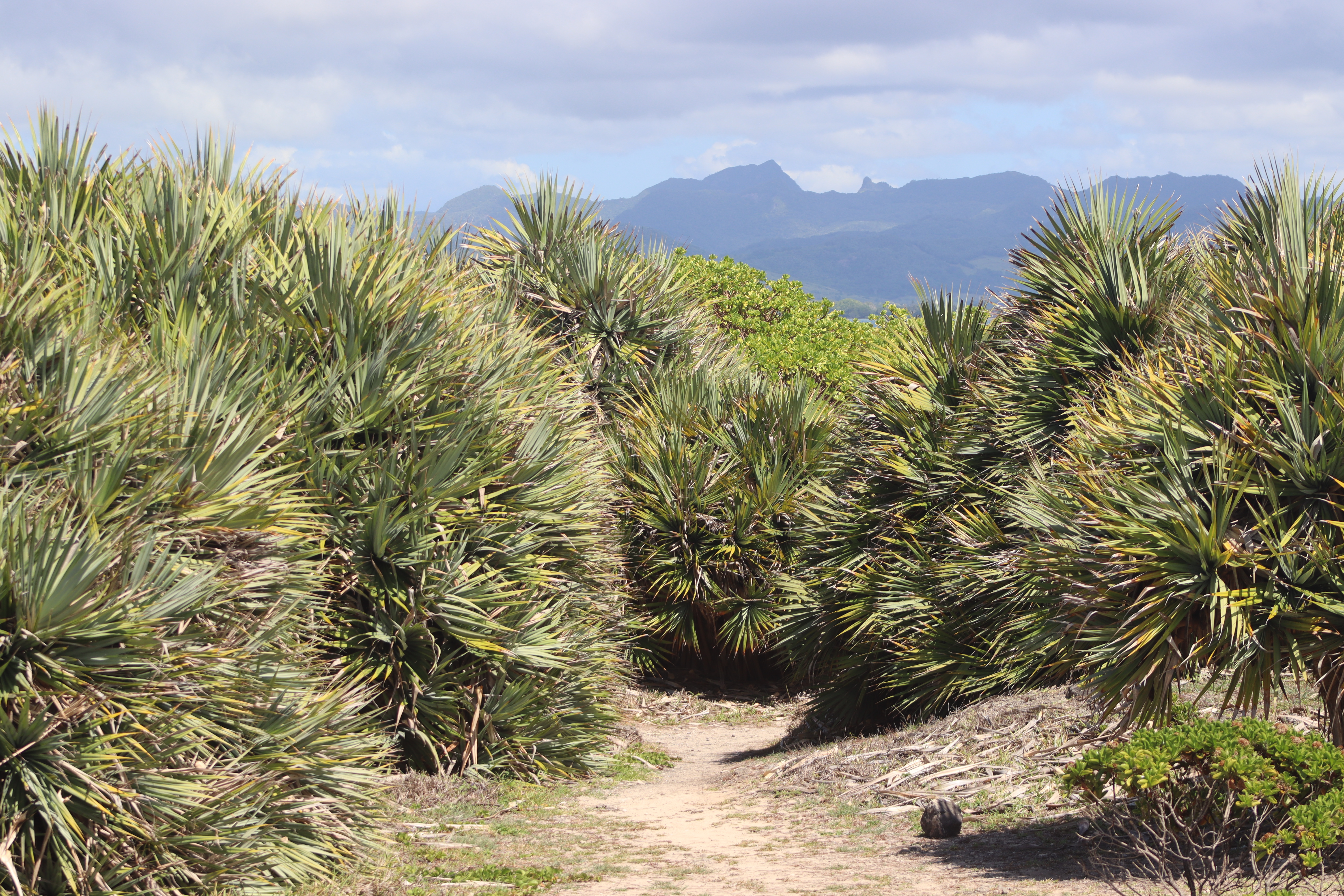
As the skippers set foot on the islet, they were introduced to the dry coastal vegetation that has adapted to the harsh conditions of wind, salt, and limited freshwater resources. Among the plant species found there are the tough and resilient veloutier vert (Scaevola taccada), whose thick leaves help reduce water loss, and the low-growing baume de l’Ile Plate (Psiadia arguta), an endemic shrub that thrives in rocky environments. A few specimens of the vacoas (Pandanus vandermeschii), were also observed.

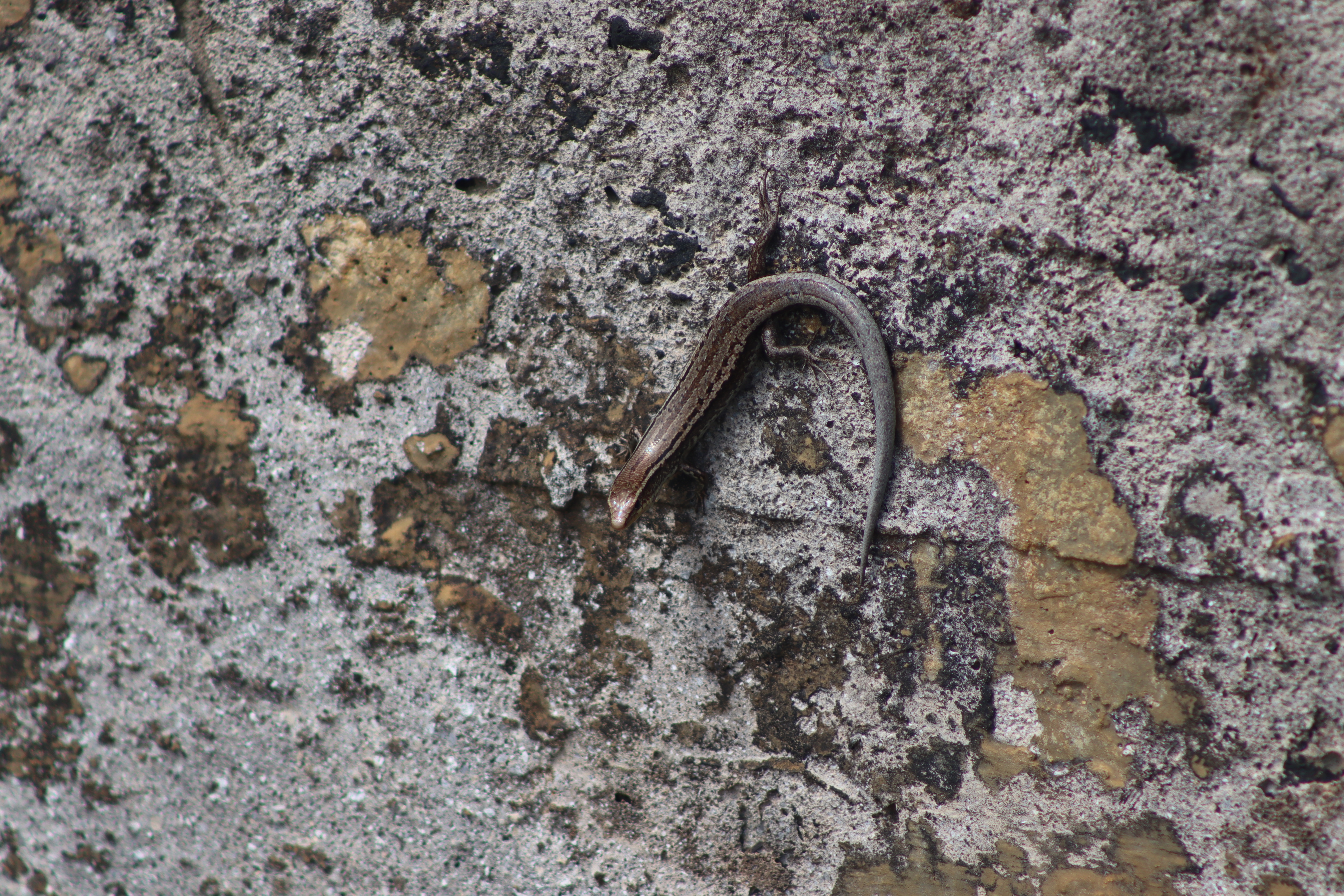
As the group walked around the islet, they also observed seabird species that make use of this isolated habitat. The White-tailed Tropicbird (Phaethon lepturus), with its striking long tail feathers, was seen gliding gracefully above the island. Other seabirds, such as the Lesser Noddy (Anous tenuirostris) and the Common Noddy (Anous stolidus), are known to nest in the region. On the rocky shores, a few Bojer’s Skinks could be seen basking in the sun and blending seamlessly with the grey stone surfaces.
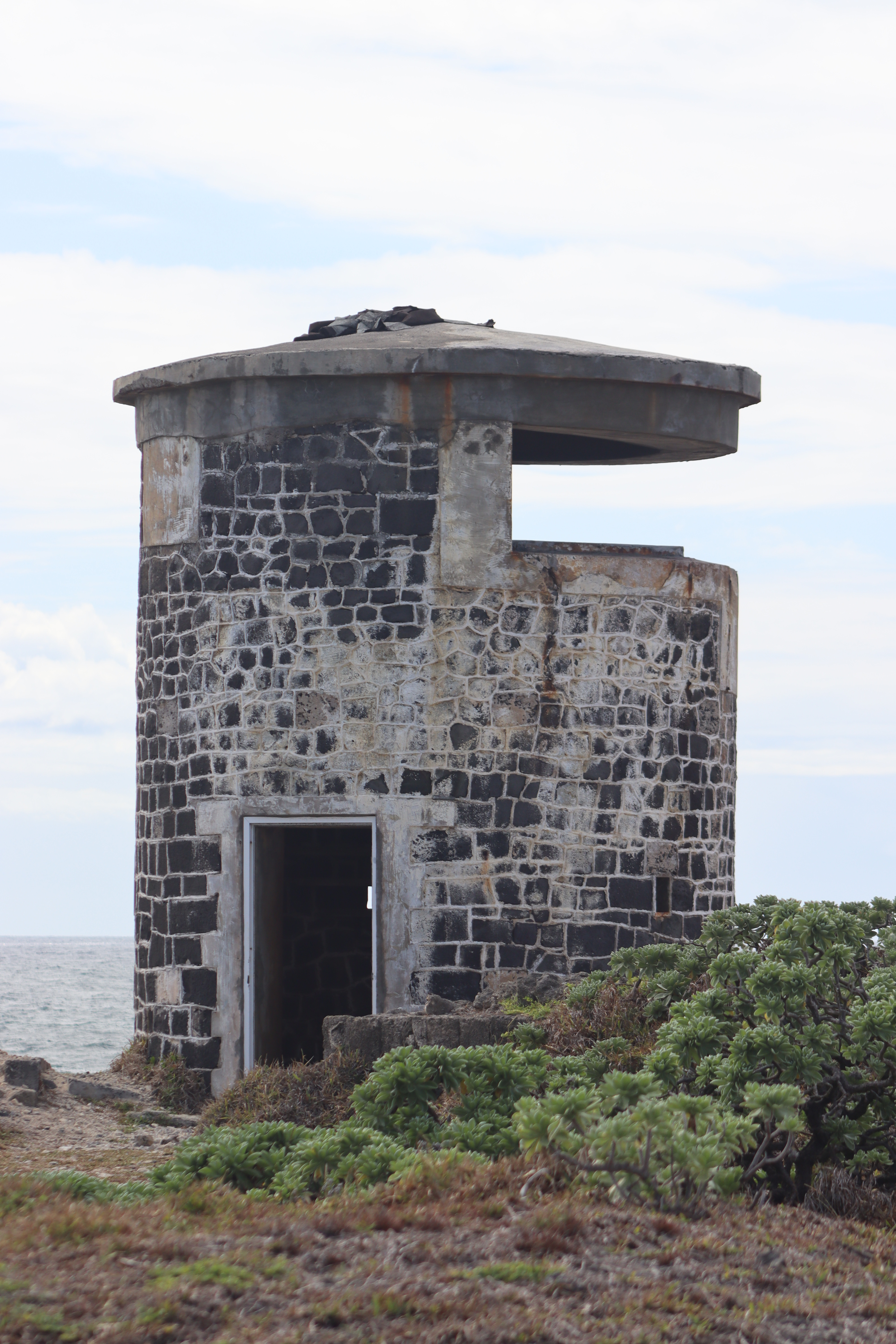
Beyond its ecological importance, Ile de la Passe is a site of historical significance. Benny Henry guided the skippers through the ruins of old fortifications that once played a key role in the naval battle between the French and British forces in August 1810. The remnants of stone buildings, including guard posts and cannon placements, are a reminder of the island’s strategic position in the defence of Mauritius. Weathered by time and elements, these structures still stand as a testament to the intense conflict that shaped the island’s colonial history.
For the skippers, the visit was an opportunity to connect with often-overlooked aspects of the natural and cultural heritage of Mauritius. They seemed to enjoy the visit and were listening carefully to every explanation given by the guide of the day. After the visit, they gained a better understanding of the importance of Ile de la Passe and were better equipped to engage in low-impact behaviour while visiting the islet with their clients.
The Anou Protez Nou Bann Zil programme was first launched in 2017 to raise awareness about the biodiversity of the South East islets. The project aims to train key islet users (skippers, fishermen, private boat owners, tourism operators and government officers) about the unique biodiversity on these islets and how they can help reduce or eliminate threats to them. Since July 2019, MWF has been able to extend its project to the Northern islets of Mauritius and reach new stakeholders including tour operators and hotels, with the unwavering support of the #MCBgroup and the authorities such as National Heritage Fund, Forestry Service and the National Parks and Conservation Service.