



News
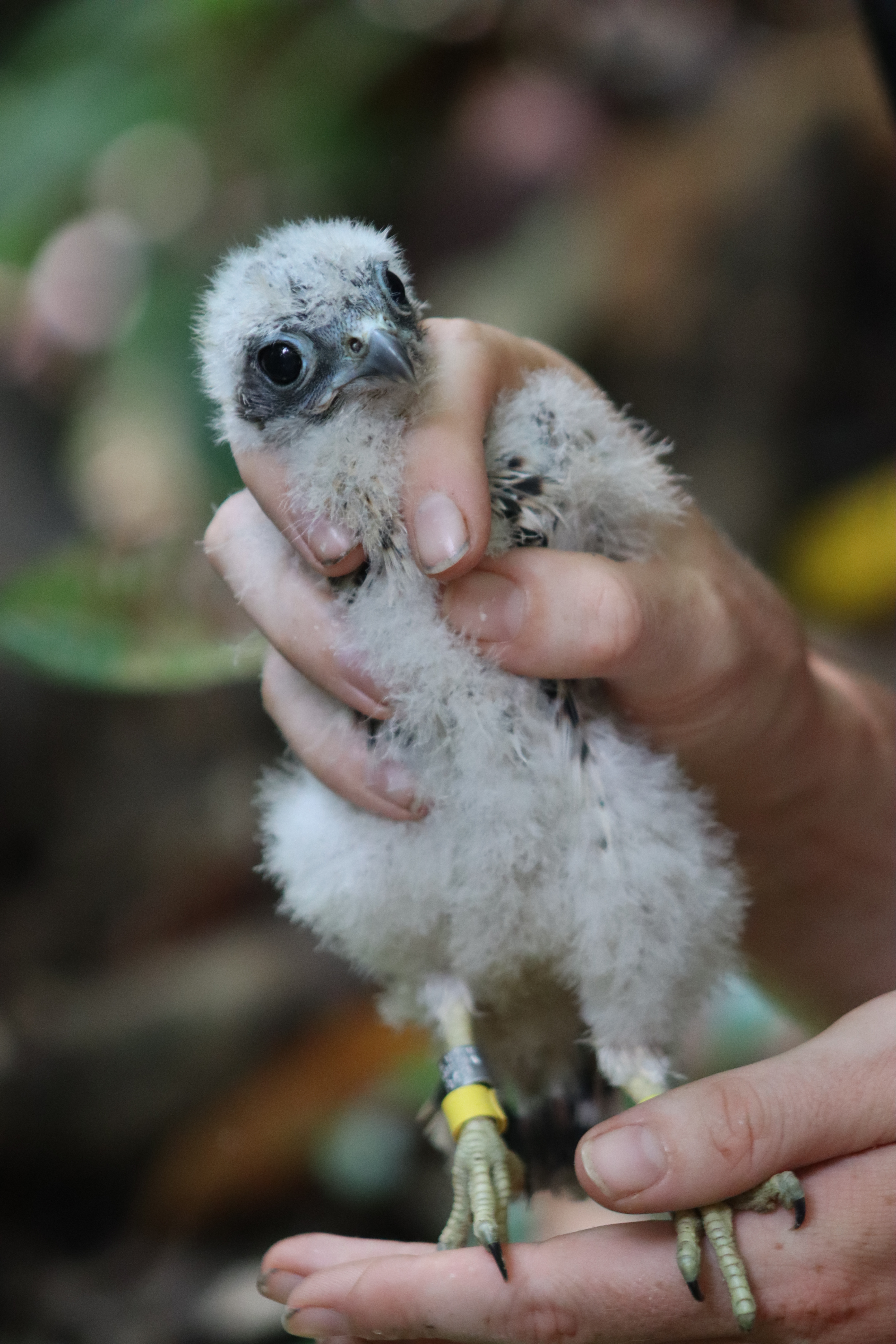
Recently, the Mauritian Wildlife Foundation’s (MWF) fauna team carried out essential conservation monitoring of Mauritius Kestrel chicks. This involved ringing, measuring, and collecting blood samples to gather crucial data on the species. This monitoring work is essential as it allows the identification of the correct conservation actions required to secure the long-term survival of the Mauritius Kestrel (Falco punctatus) which is one of the world's most inspiring conservation success stories.
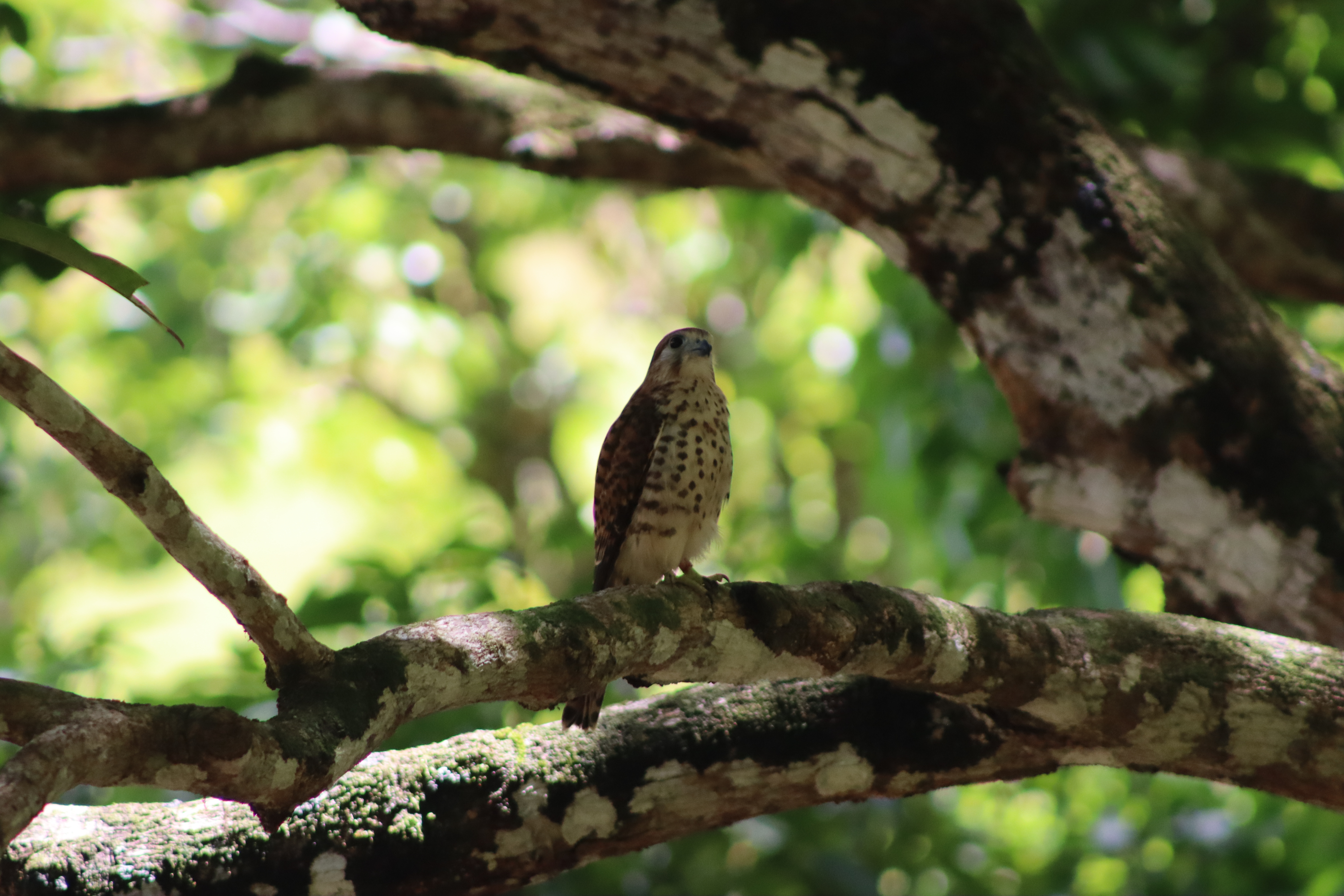
Once considered the rarest bird on the planet, with only four individuals, including a single breeding female, remaining in the wild in 1974, dedicated conservation efforts have brought the species back from the brink of extinction. Although their numbers have improved, the kestrel remains fragile due to limited genetic diversity, environmental threats, predators and habitat loss.
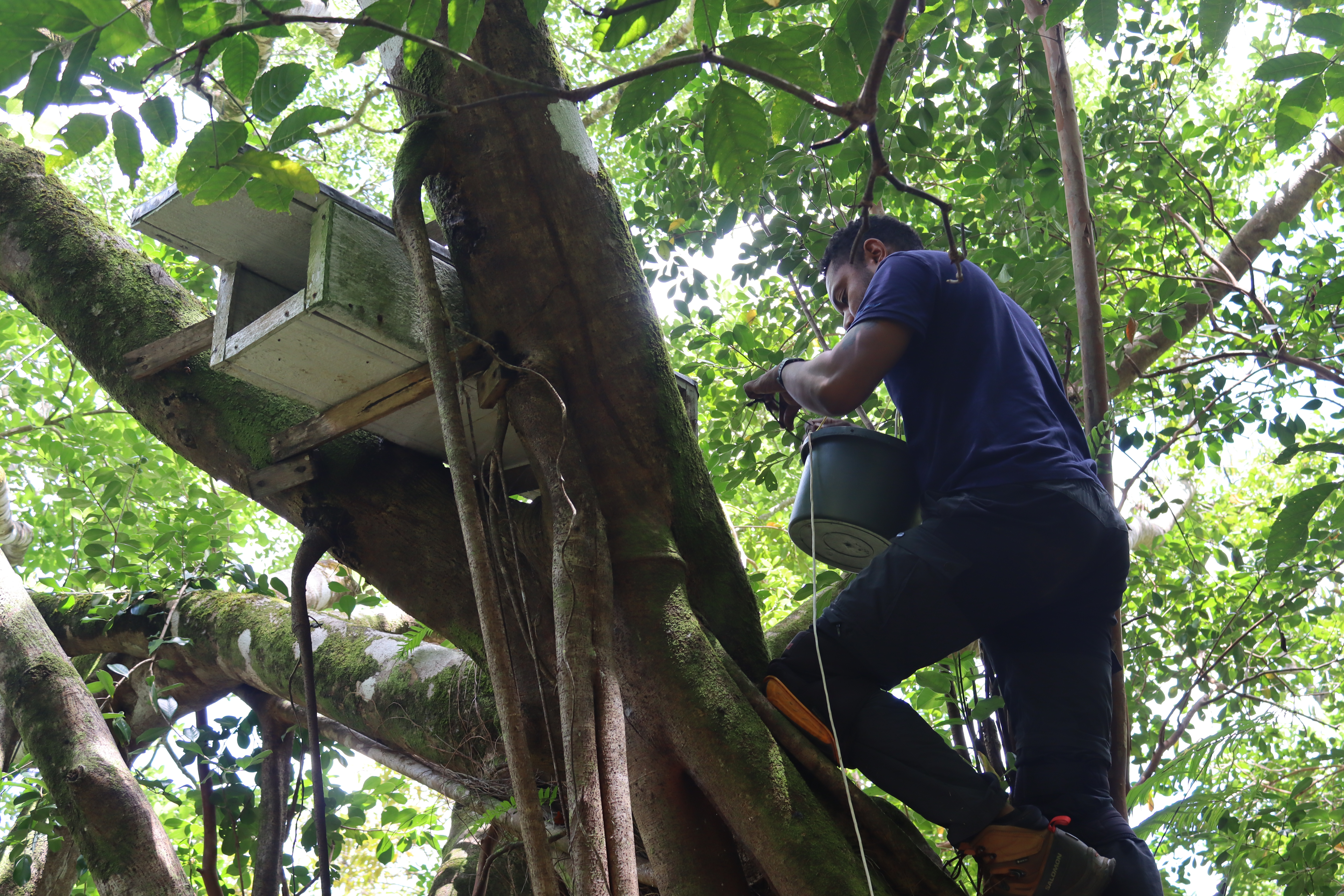
On one of their trips, the members of the fauna team visited Ferney Valley, where three kestrel chicks were examined, and Kestrel Valley, where one chick was assessed. In both Ferney Valley and Kestrel Valley – situated in the Bambou Mountain Range -, the team had to climb trees to carefully retrieve the chicks from the Mauritius Kestrel nest boxes.
The Mauritius Kestrel uses naturally occurring cavities in cliffs and trees for breeding. These are limited in Mauritius due to a lack of mature cavity forming endemic tree species and since invasive alien species such as Asian Mynahs (Acridotheres tristis) will compete for cavities and exclude the Mauritius Kestrel. These nest boxes have been built to give an alternative space for the kestrel to breed. They are also specifically designed to be weatherproof and exclude monkeys (Macaca fascicularis) from reaching into predate eggs or chicks.
The adventure became particularly intense in Kestrel Valley, where one of the parent kestrels fiercely defended its chick, attacking a member of the team as he climbed the tree to reach the nest box. Despite the unexpected aerial assault, the team remained focused and carried out the procedure with expertise and care.
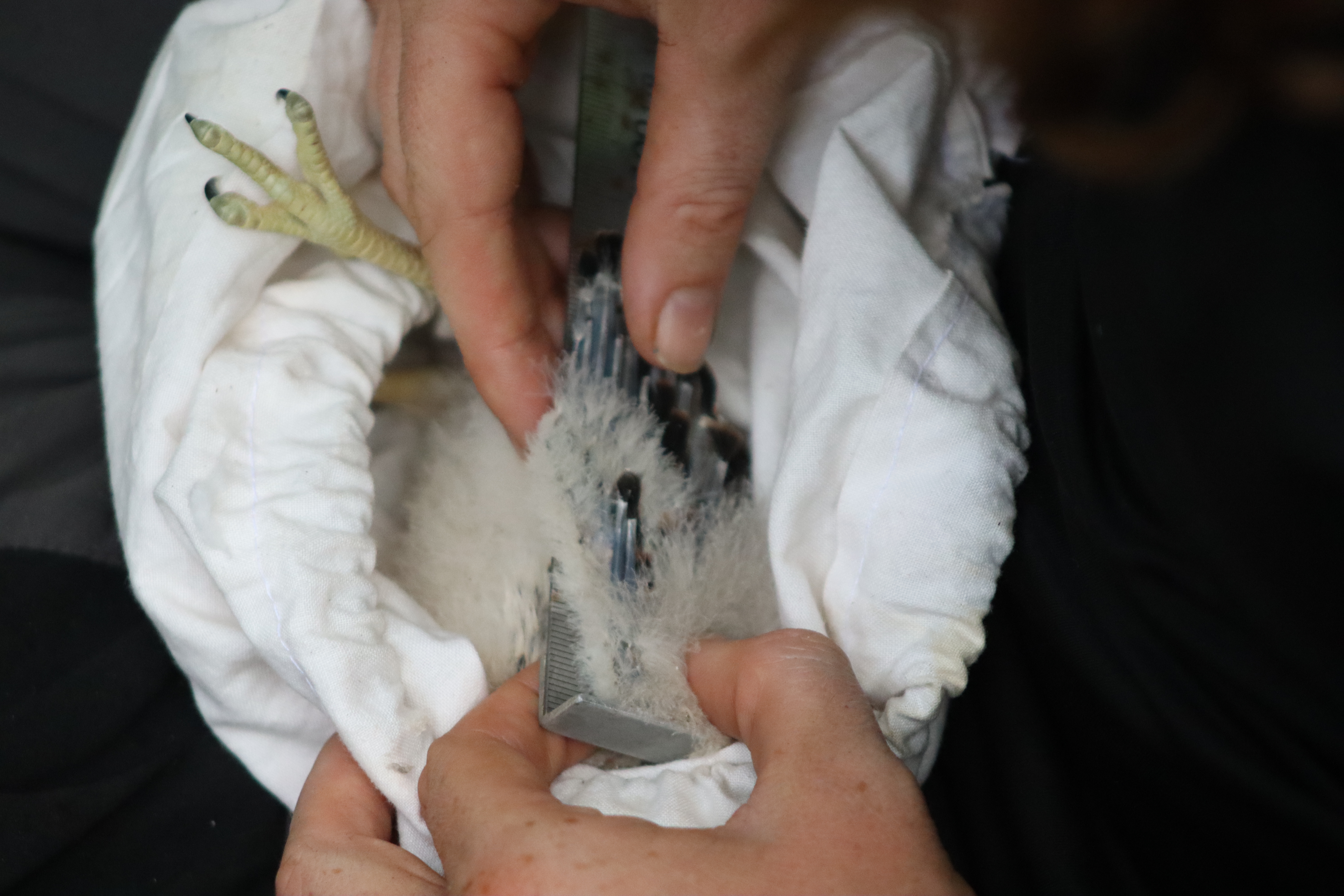
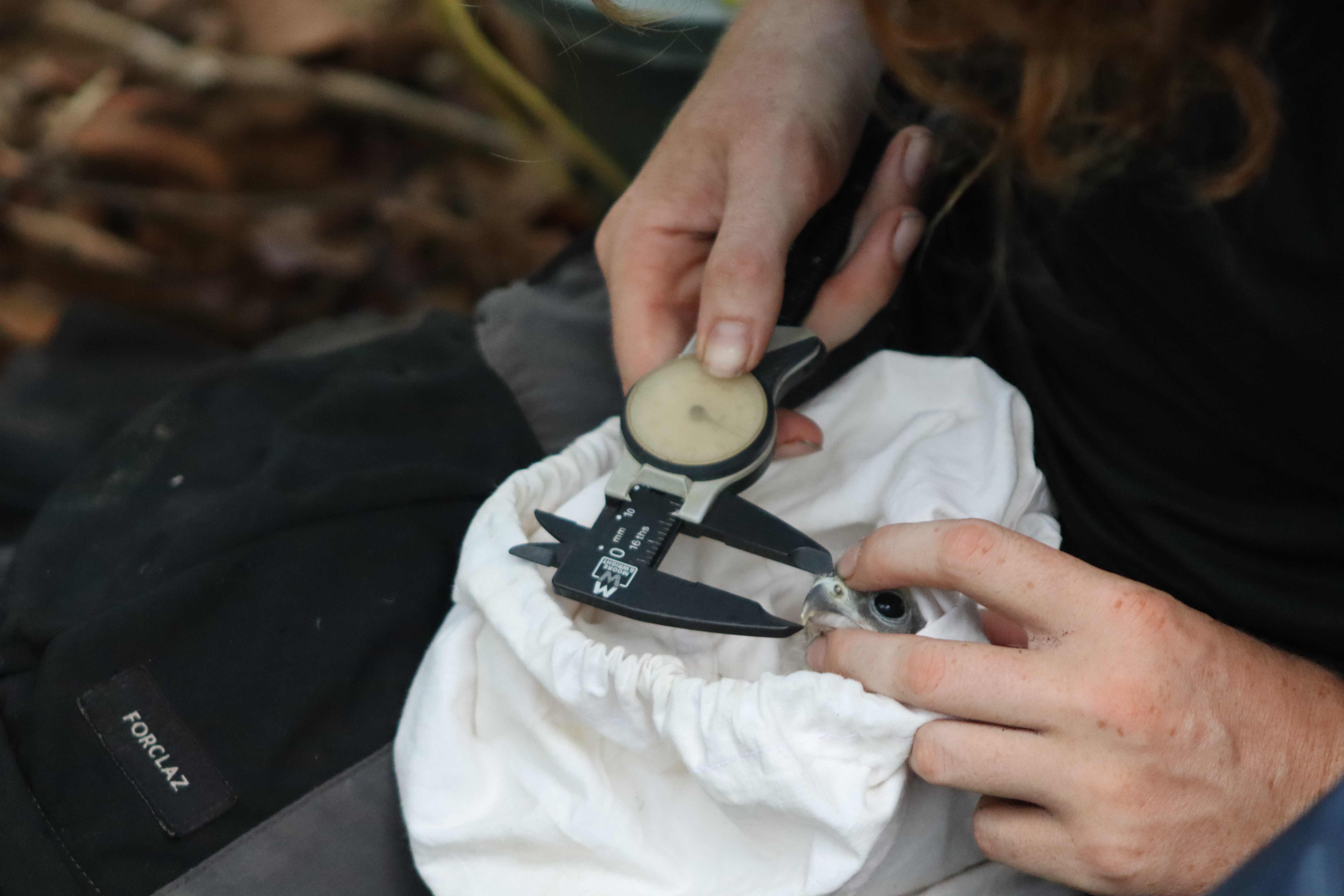
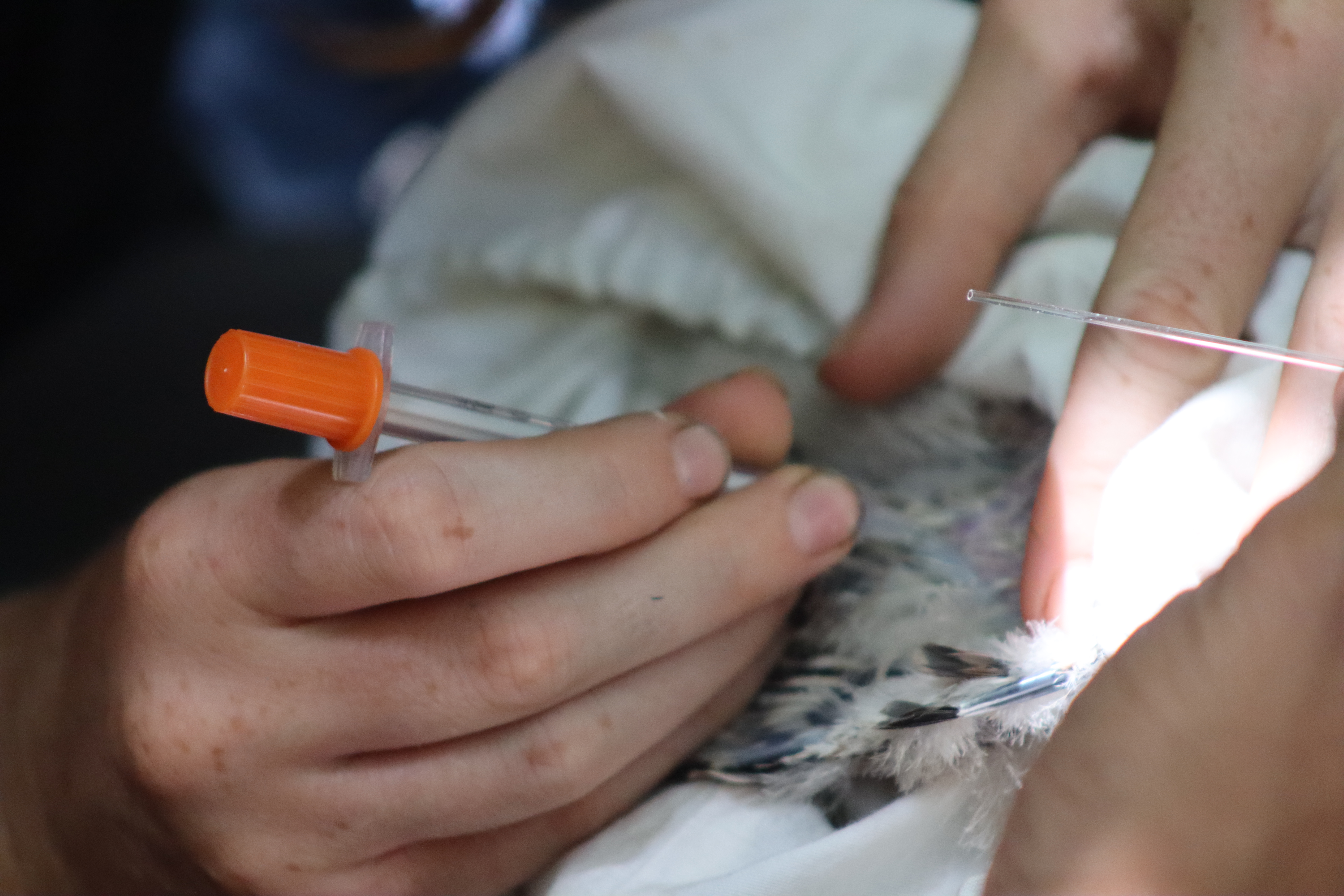
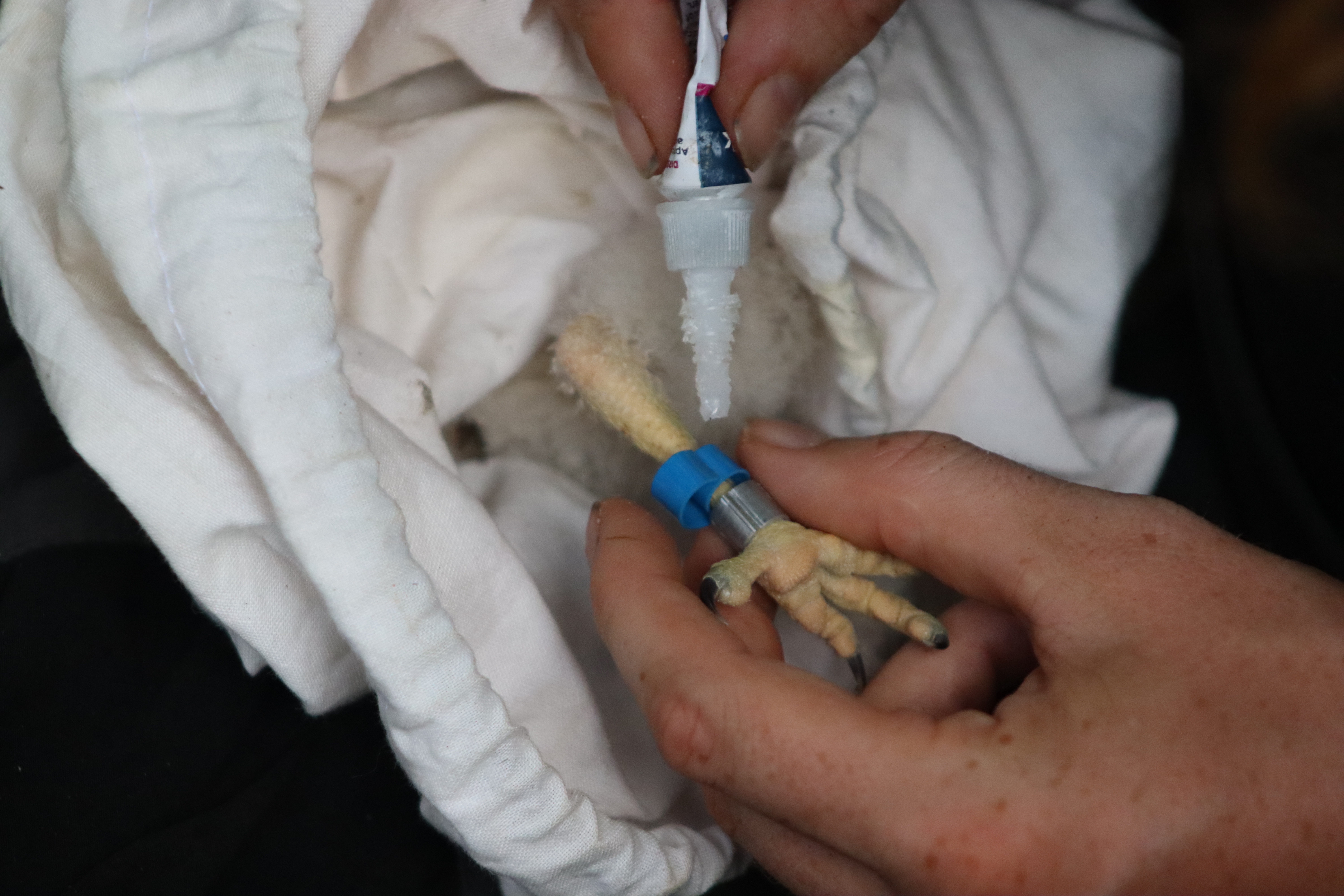
During the fieldwork, the conservation biologists followed a precise process to ensure the well-being of the kestrel chicks while collecting valuable data. The chicks were prudently placed in a soft bag and carefully handled to minimize stress. Each chick received a unique identification set of rings, allowing researchers to track its movements and survival over time. Various physical parameters, such as wing length, tail length and body weight, were recorded to assess growth and development. Blood samples were also collected for genetic and health analyses, providing insights into the overall condition of the kestrel population.
These efforts, conducted every breeding season, yield vital data that guide conservation strategies. By closely tracking kestrel populations, scientists can detect early warning signs and determine whether additional conservation interventions are needed. Moreover, continued research helps evaluate the impact of environmental changes and habitat restoration efforts on the species.
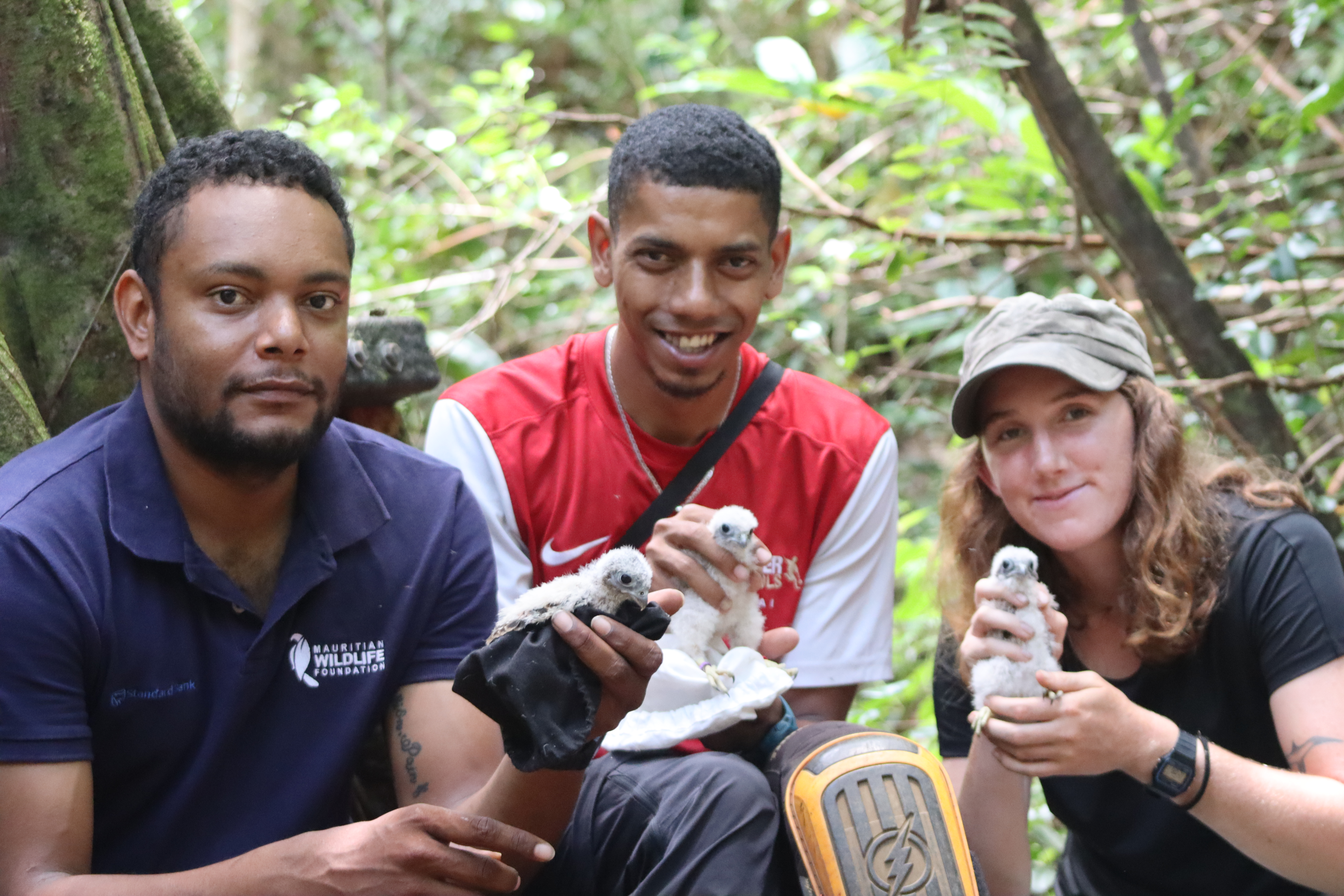
The work of MWF and its partners is instrumental in ensuring that the Mauritius Kestrel continues to thrive.