News
𝐅𝐫𝐢𝐞𝐧𝐝𝐬 𝐨𝐟 𝐌𝐚𝐮𝐫𝐢𝐭𝐢𝐚𝐧 𝐖𝐢𝐥𝐝𝐥𝐢𝐟𝐞
𝟏𝟕 𝐅𝐫𝐢𝐞𝐧𝐝𝐬 𝐭𝐚𝐤𝐞 𝐩𝐚𝐫𝐭 𝐢𝐧 𝐰𝐞𝐞𝐝𝐢𝐧𝐠 𝐚𝐜𝐭𝐢𝐯𝐢𝐭𝐲 𝐢𝐧 𝐌𝐨𝐧𝐝𝐫𝐚𝐢𝐧
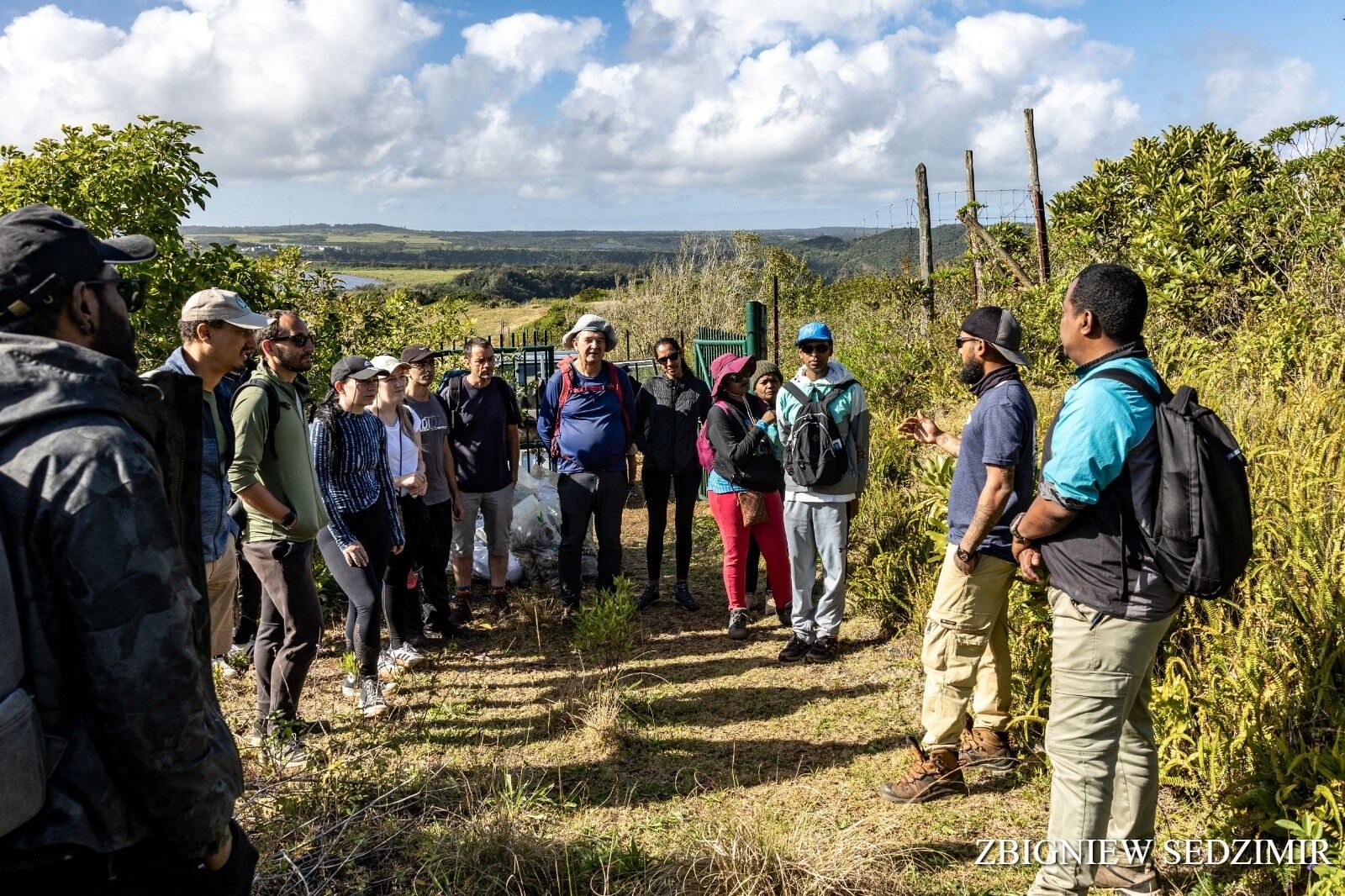
On August 10, 17 enthusiastic members of Friends of Mauritian Wildlife dove into action in the Mondrain Reserve situated in Henrietta. Guided by Lensley Etiennette (Friends Coordinator) and Giani Abajee (Flora Conservation Biologist), this dedicated team embarked on a weeding mission to help conservation move forward.
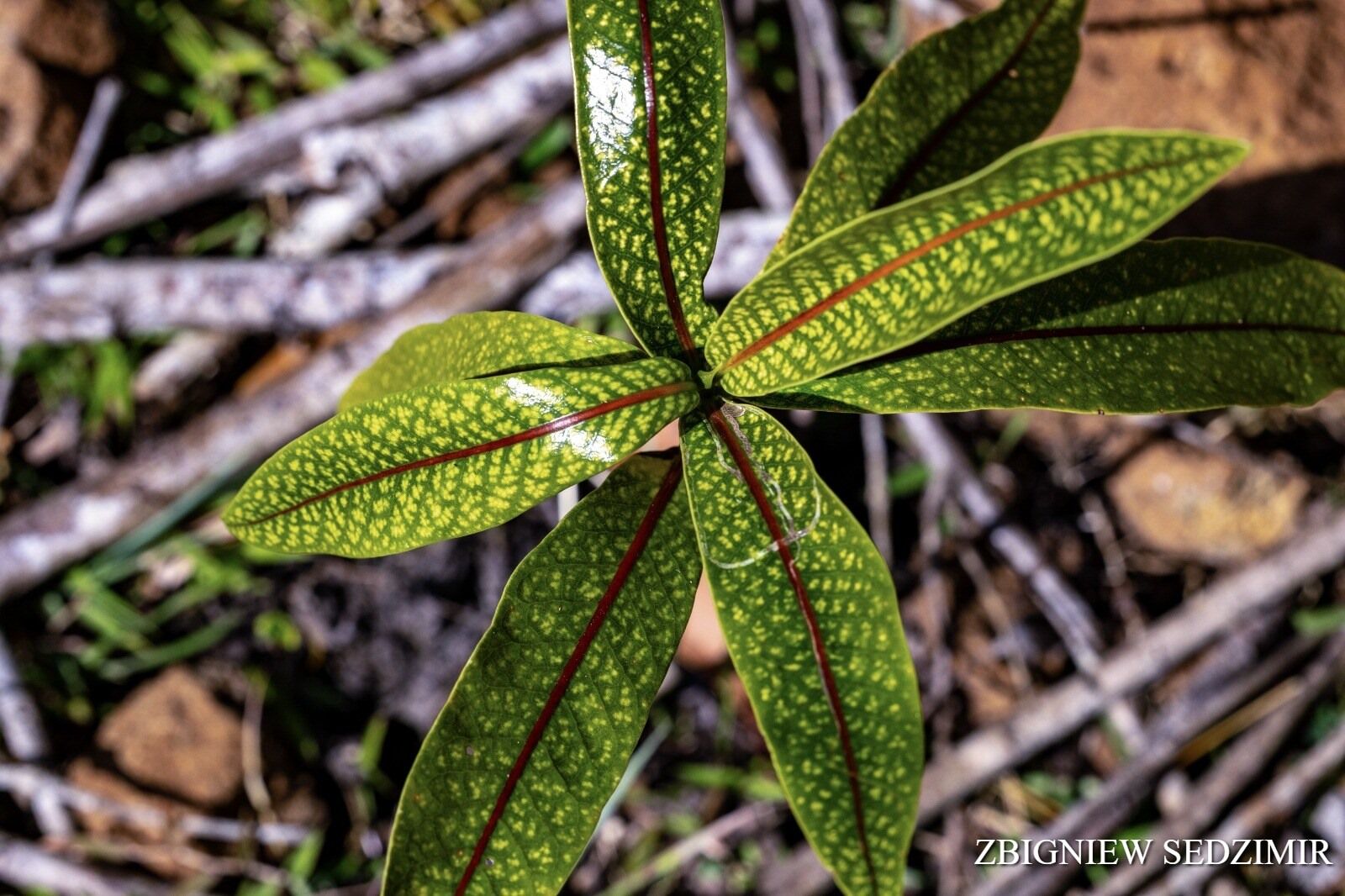
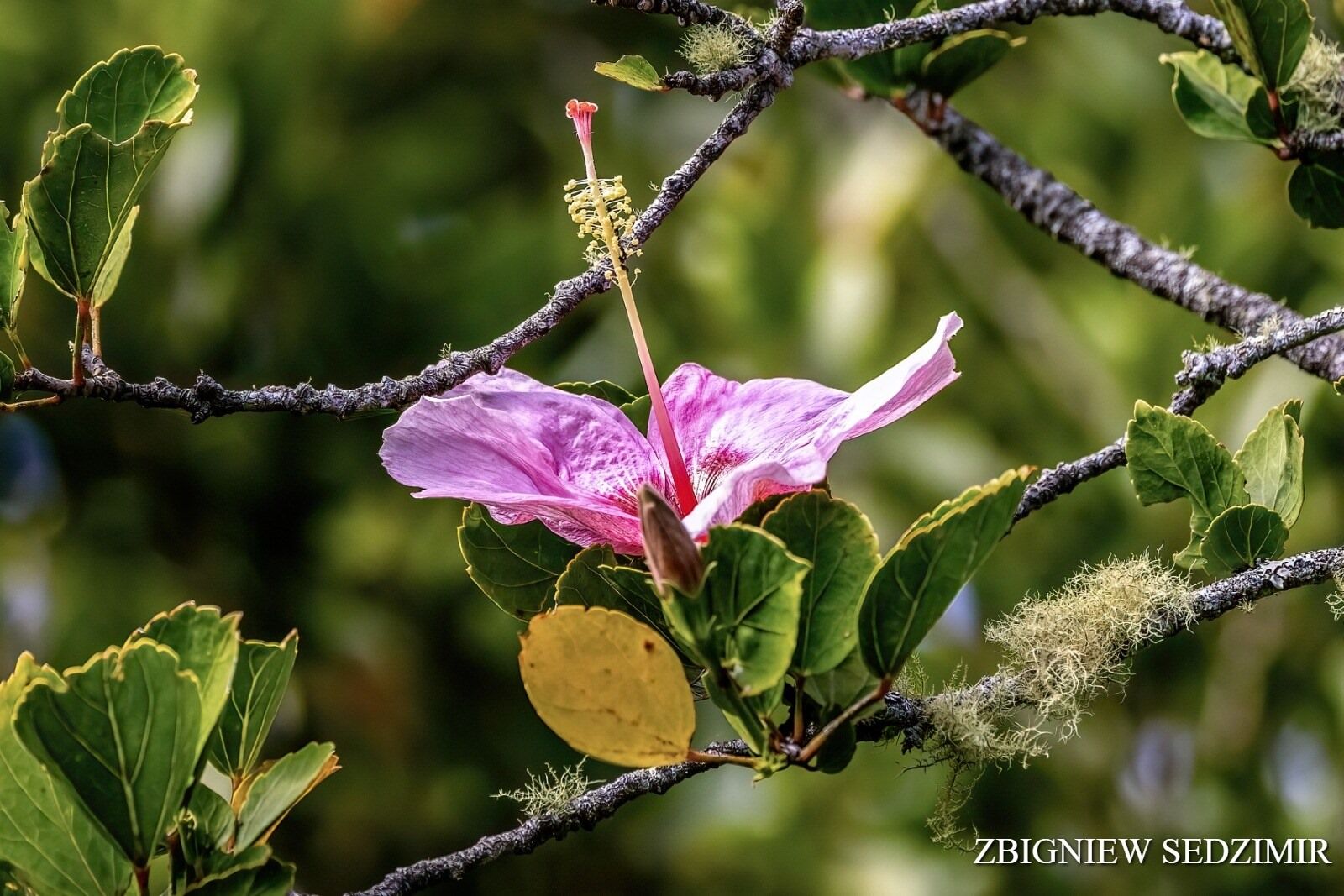
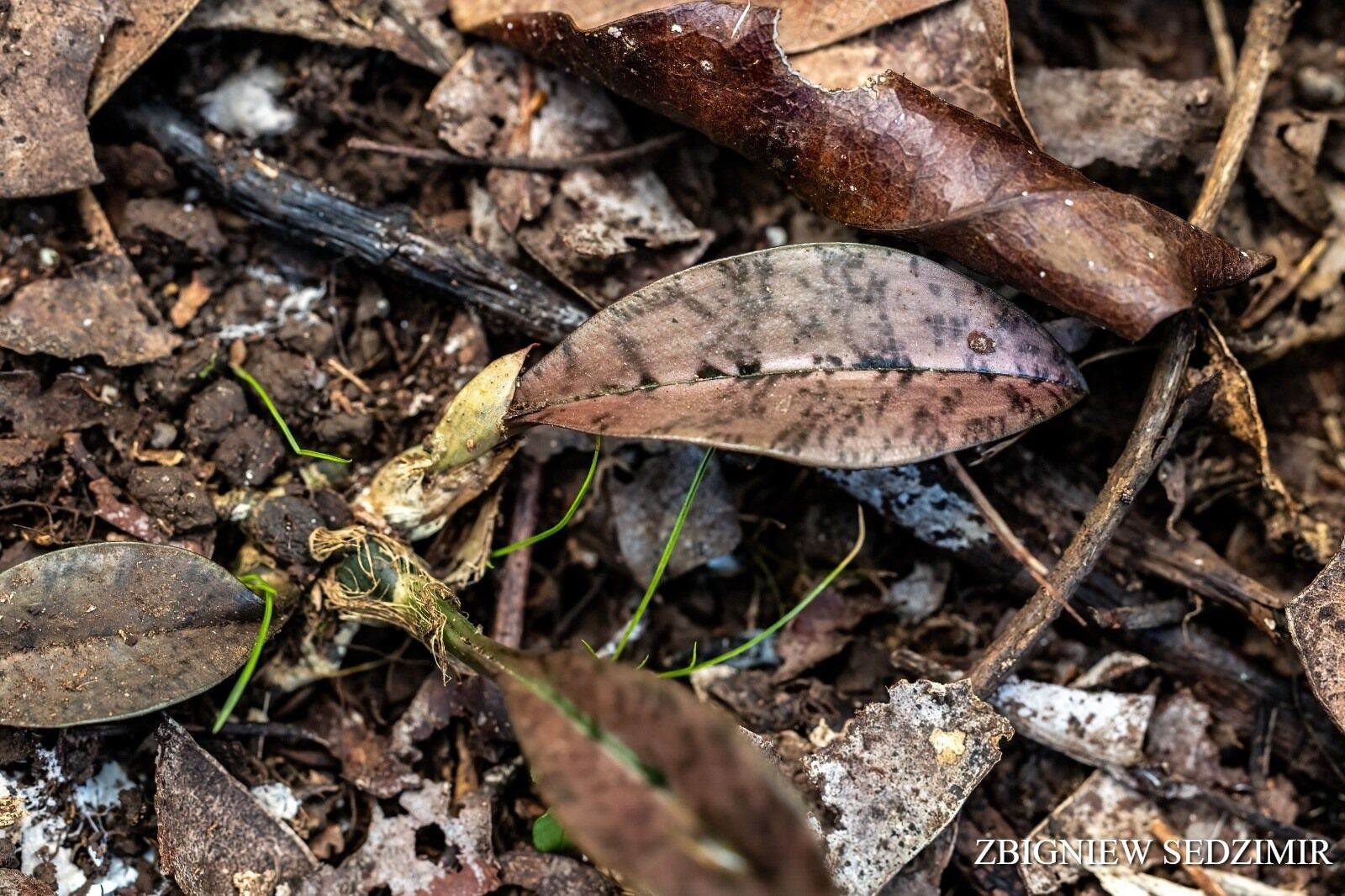
Mondrain Reserve, a hidden gem of Mauritius, boasts some of the island's rarest plant species, including the 𝐻𝑖𝑏𝑖𝑠𝑐𝑢𝑠 𝑔𝑒𝑛𝑒𝑣𝑖𝑖 - rediscovered in this very forest in 1668 after being presumed extinct for over a century - and the 𝑆𝑦𝑧𝑦𝑔𝑖𝑢𝑚 𝑝𝑦𝑛𝑒𝑒𝑖, described as a new species in 2000. The participants were also captivated by the remarkable Oeceoclades maculata, a native ground orchid known for its unique resemblance to dried leaves scattered on the forest floor. One of the Friends, Friend John Davy – an orchid specialist and member of the Royal Society of Arts and Sciences of Mauritius - gave few explanations about this species and others as well.
However, invasive species like acacia, goyave de Chine, and privet pose serious threats, competing with native and endemic plants for resources.
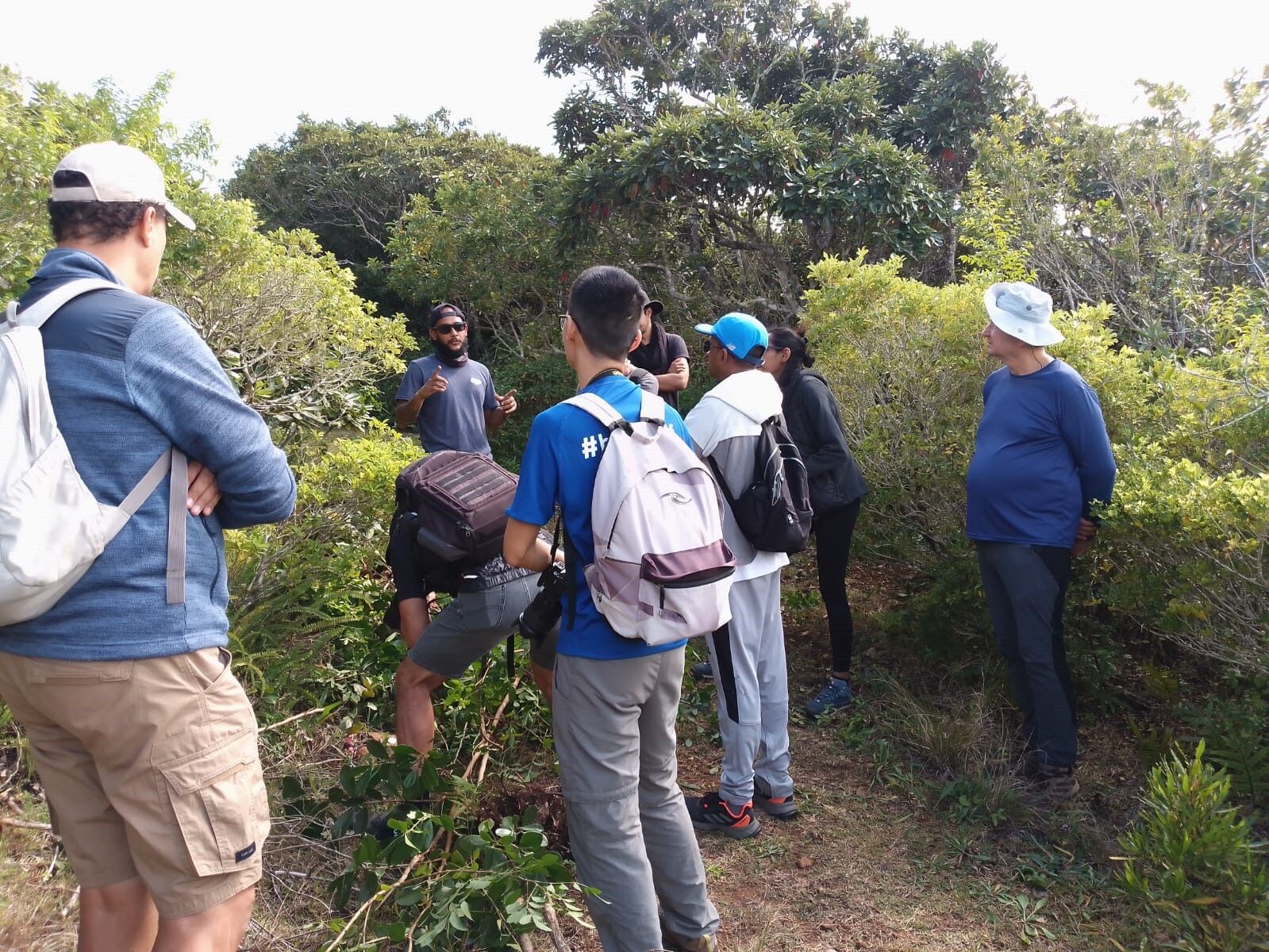
The volunteers tackled these invaders with hoes, axes, and tree poppers, thus enhancing the reserve's health and providing a more hospitable environment for endemic species. Their hard work didn’t end there, they also converted the removed plants into mulch. Using cutters, they reduced the invasives to small pieces. These will be put around newly planted endemic and native seedlings, creating a protective layer that retains soil moisture, suppresses weeds, cools plant roots, and enriches the soil.
After their intense weeding efforts, the team enjoyed a special guided tour by Giani Abajee. They were thrilled to see the vibrant Hibiscus genevii in bloom, along with the striking yellow Senecio lamarckianus and other rare species like Zantheroxylum heterophyllum, Polyscias gracilis, and Barleria observatrix.