

News
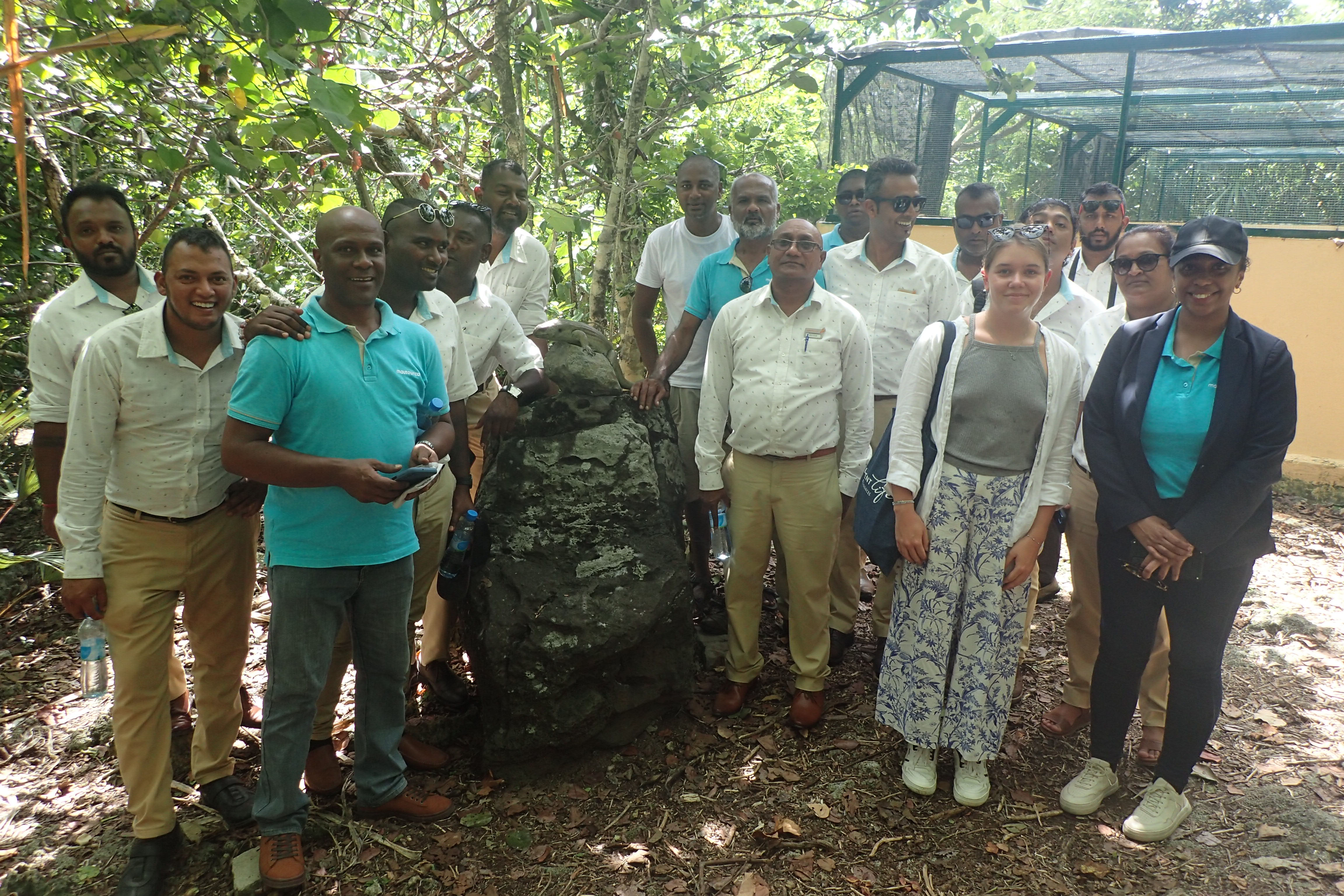
In February, fifteen driver-guides of Mautourco visited Ile aux Aigrettes as part of our sensitisation programme 'Anou protez nou bann zil'. This programme aims to raise awareness among visitors through specific audiences about the need to protect Islet Nature reserves and Islet National Parks of Mauritius. These tours are usually organised after a lecture and group discussions on the topic with participants. They were accompanied by Benny Henry, Education Assistant at the Mauritian Wildlife Foundation, who explained the importance of this ecosystem.
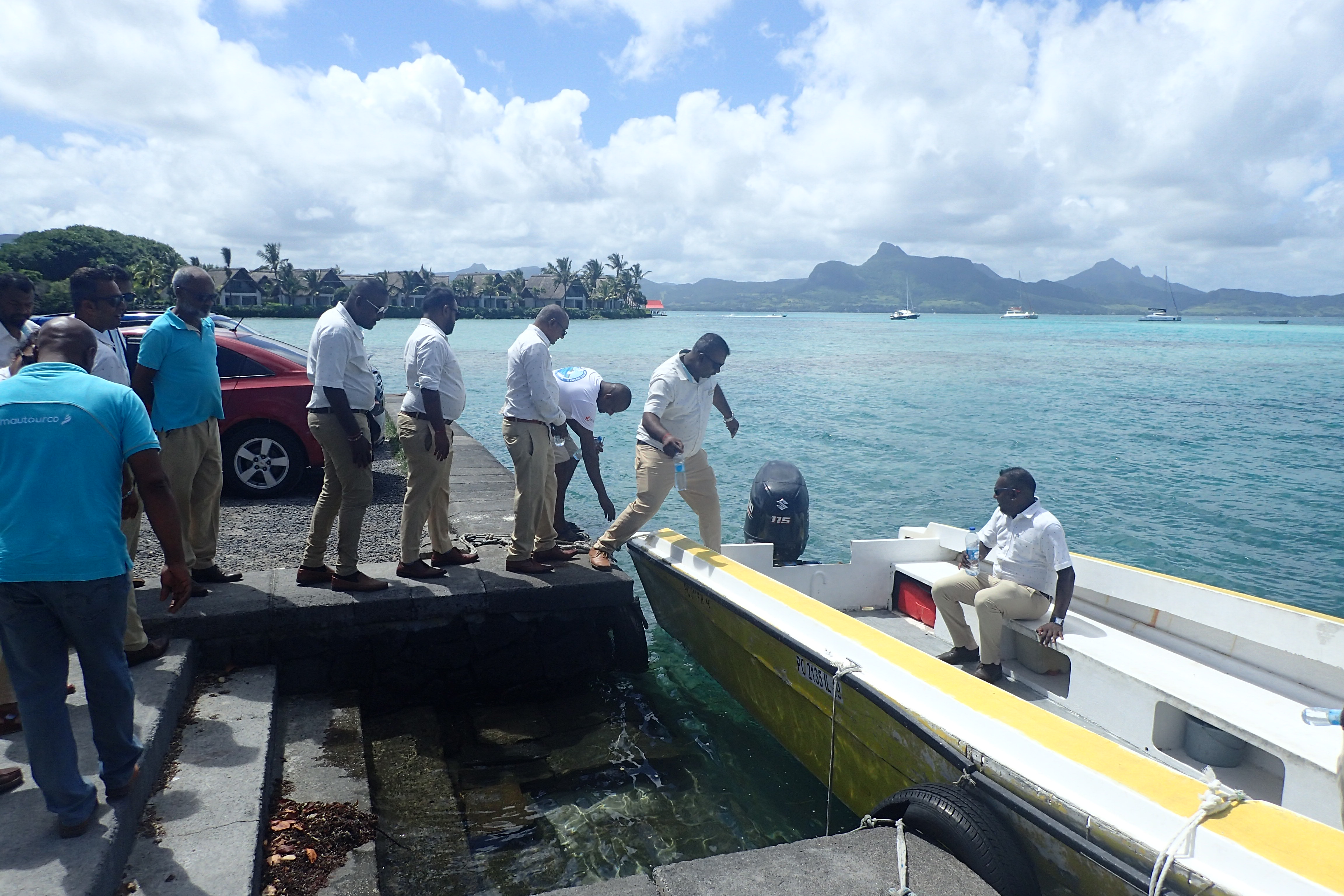
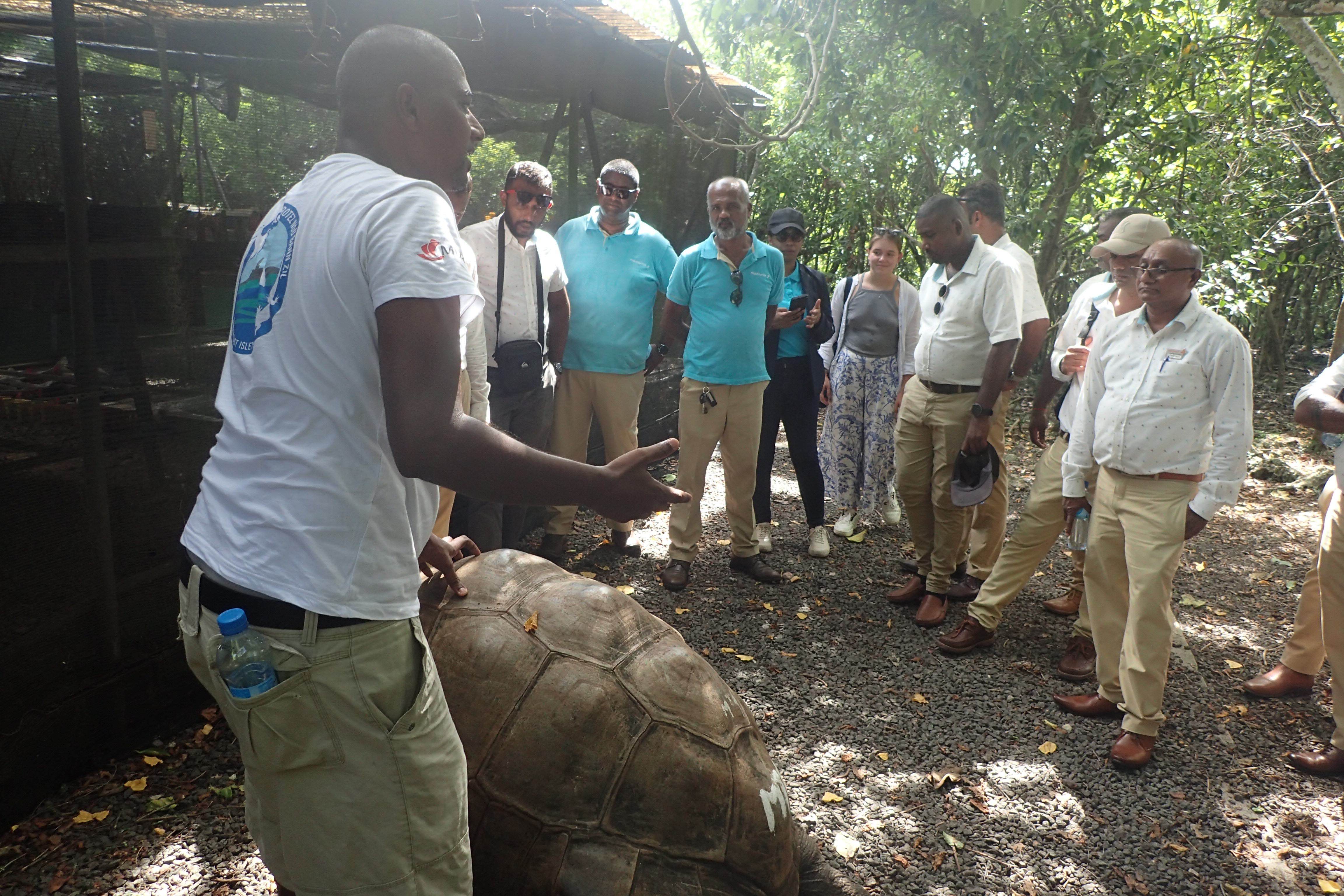
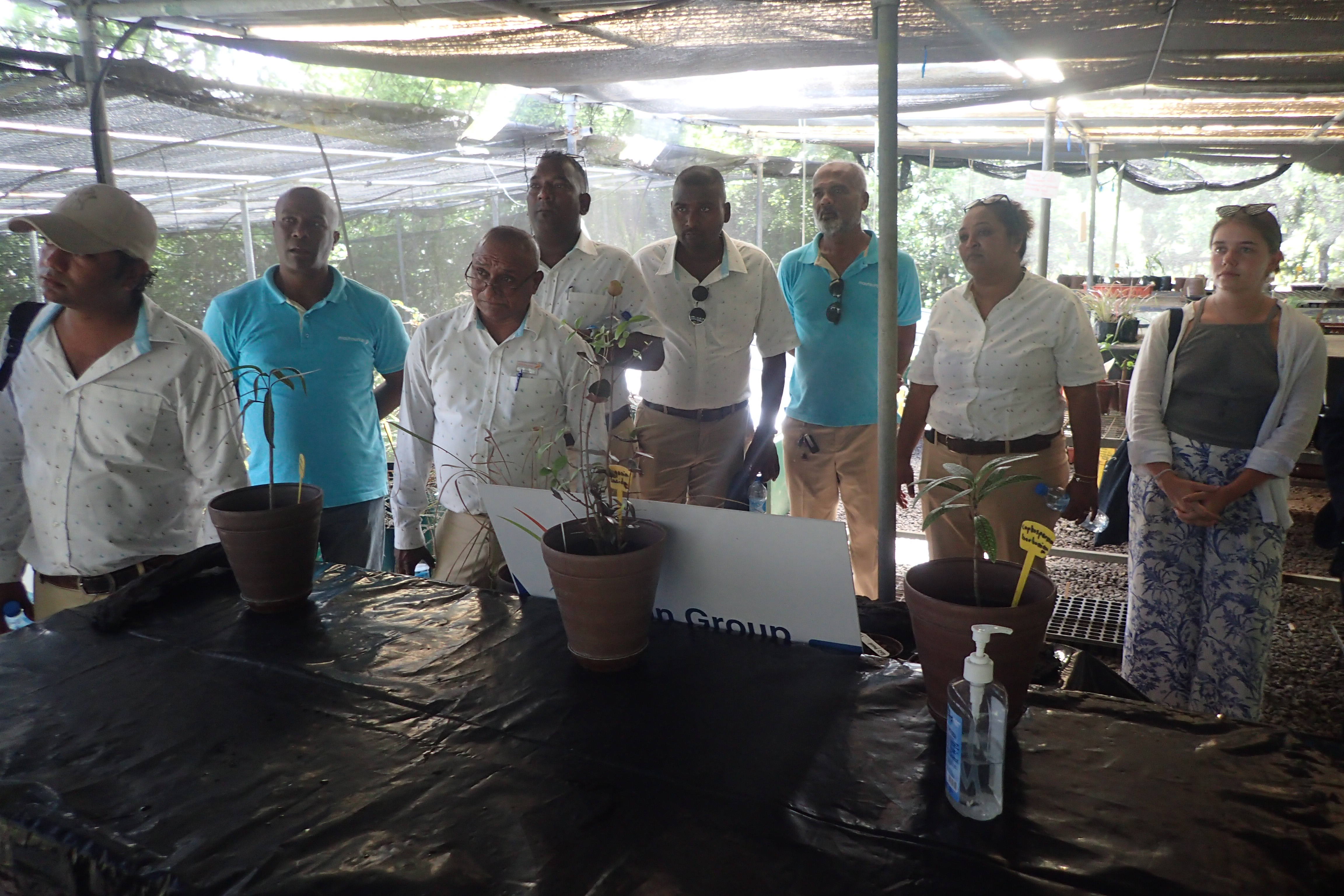
The guided tour, which lasted more than an hour, was the perfect opportunity for the participants to learn more about the native and endemic flora and fauna of Ile aux Aigrettes. They came across some native and endemic plant species such as the Dracaena concinna (bois chandelle), the Pandanus vandermeeshii (vacoa), the Coptosperma borbonicum (bois de rat) and the Diospyros egrettarum (bois d’ébene) that thrive on the islet. They also had the opportunity to take a close look at one of the 26 Aldabra giant tortoises (Aldabrachelys gigantea) that roam freely on the island. The "dispersal function" of these introduced species was explained to the visitors, who were amazed at how this function helps some plant species to propagate naturally. It should be noted that, on l’Ile aux Aigrettes, the Aldabra giant tortoises have replaced the ecological role once performed by two endemic giant tortoises of Mauritius that are now extinct.
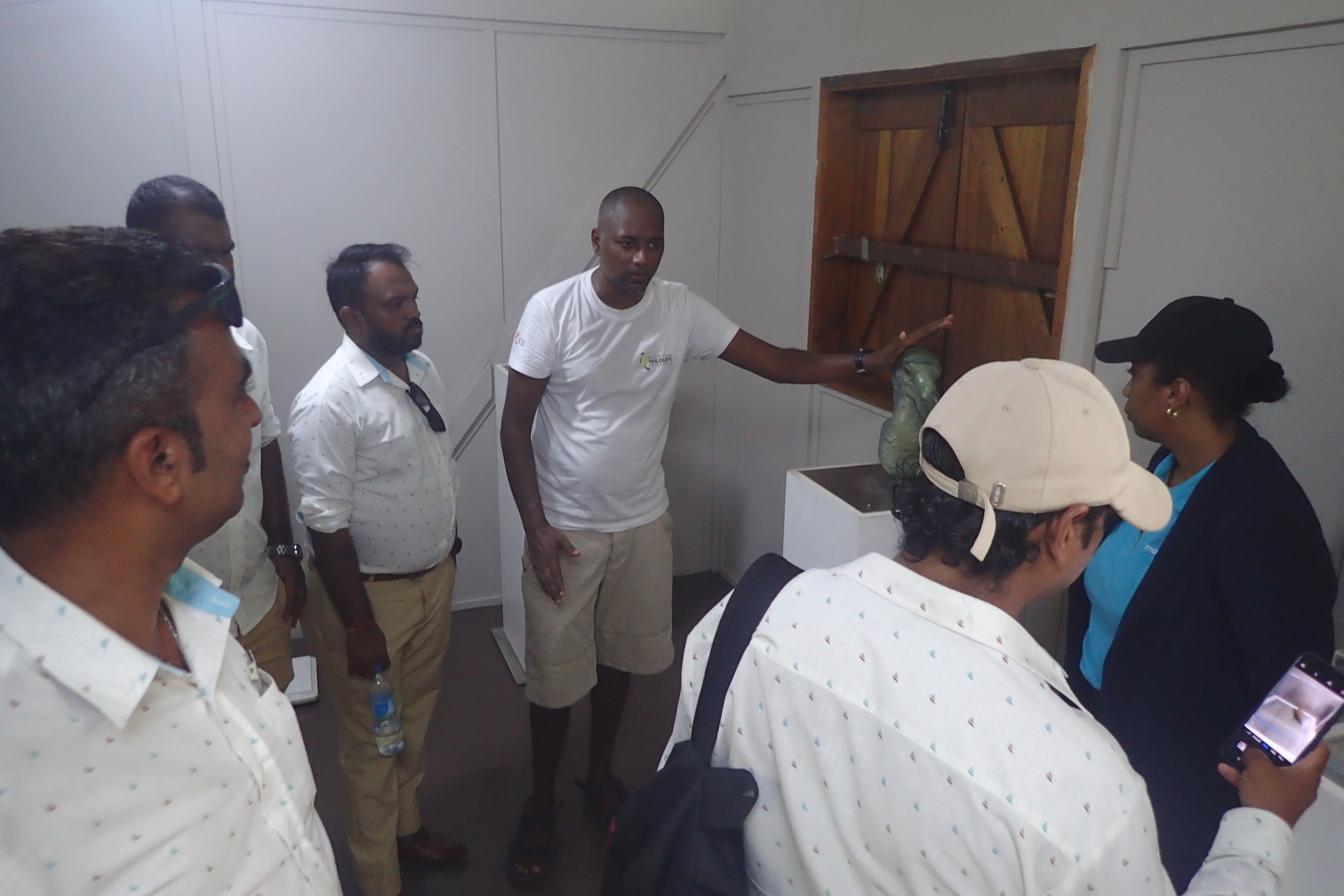
During their visit, the Mautourco employees also encountered statues of extinct Mauritian species such as the Mauritius Scops Owl (Otus sauzieri), the Mauritius giant skink (Leiolopisma mauritiana), the Red Rail (Aphanapteryx bonasia), the Blue Pigeon (Alectroenas nitidissima) and the Rodrigues giant day gecko (Phelsuma gigas). They were made aware of their responsibility to protect the endemic and native fauna when using the southeastern islands during their work so that they do not suffer the same fate as the extinct species whose representations they saw.
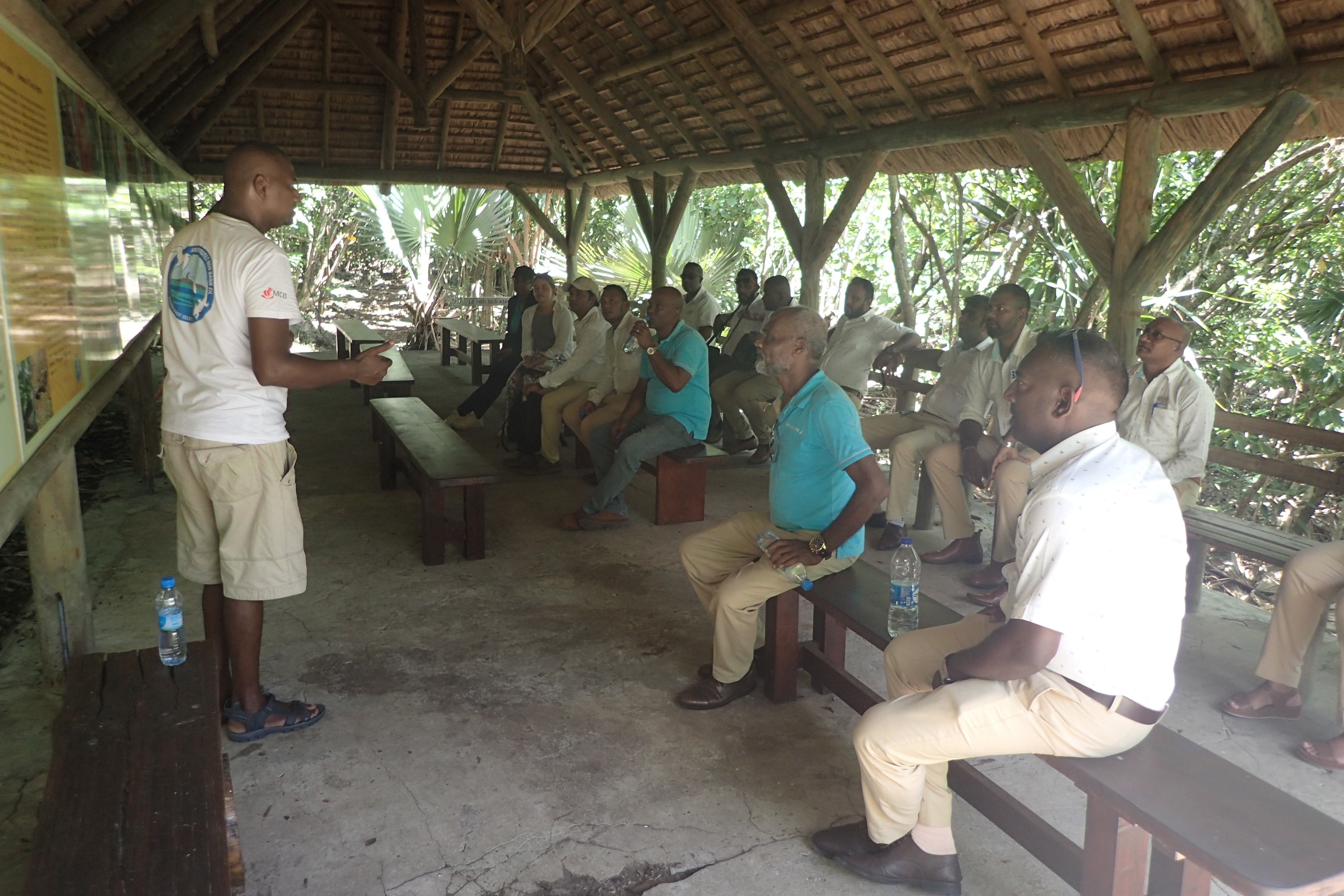
It must be said that the visitors of the day had some knowledge with the Mauritian Wildlife Foundation’s conservation works and the ecosystems of the islets. The questions and sharing showed that they became more aware of the fragility of the islets they bring visitors on and how important it was to preserve them.
The 'Anou protez nou bann zil' project was launched in 2017 to sensitise islet users about the biodiversity of Southeast islets. The initiative aimed to train key islet users such as fishermen, skippers, private boat owners, tourism operators, and government officers, including the National Coast Guards, about the unique biodiversity of these islets and how to reduce or eliminate threats caused by human presence to them. Since July 2019, with the sustained support of the Mauritius Commercial Bank, MWF has been able to extend the project to the Northern Mauritius islets and reach out to key islet users.
The Mauritian Wildlife Foundation would like to thank the Mauritius Commercial Bank, who is the exclusive funder of this outreach programme, and our partners, the Forestry Service, and the National Parks & Conservation Service for their support in this education programme.